Note: This itinerary is based on a memorable trip to Naxos where I discovered why locals call this island the “heart of the Cyclades.” I’ll share where we stayed, our favorite activities and tours, the best restaurants we discovered, and practical tips to help you plan your own perfect Naxos adventure. Since we returned from Naxos, a number of friends have “borrowed” this exact itinerary for their own Greek island trips — and every single one has come back raving about it.
Naxos, the largest of the Cycladic islands, offers the perfect blend of stunning sand beaches, authentic Greek culture, delicious cuisine, and ancient history. Unlike its more touristy neighbors Santorini and Mykonos, Naxos remains refreshingly authentic and affordable, making it an ideal destination for travelers seeking a more genuine Greek island experience.
Whether you’re planning a romantic getaway, a family vacation, or a solo adventure, this comprehensive 5-day Naxos itinerary will help you discover the island’s hidden gems, savor its incredible food, and create memories that will last a lifetime. From the charming streets of Naxos Town to the pristine beaches of Agios Prokopios, from ancient temples to family-run cheese farms, Naxos has something special for everyone.
I’d love to help you plan your dream trip to Greece, whether it is Naxos or another of the Greek Islands or Mainland. Learn more about my full trip planning services or hotel booking options.

5 Days in Naxos: Day-by-Day Itinerary
If you want to plan your own trip, I’m going to share the details of our trip so you can steal our itinerary.
Day 1: Arrival and Beach Relaxation
After arriving via ferry from Santorini (the journey took about 1.5 hours on the SeaJet WorldChampion Jet), we were picked up by Naxos Luxury Transport for the short 15-minute ride to Virtu Suites in Agios Prokopios. I highly recommend pre-booking your airport or port transfer to avoid long taxi queues.
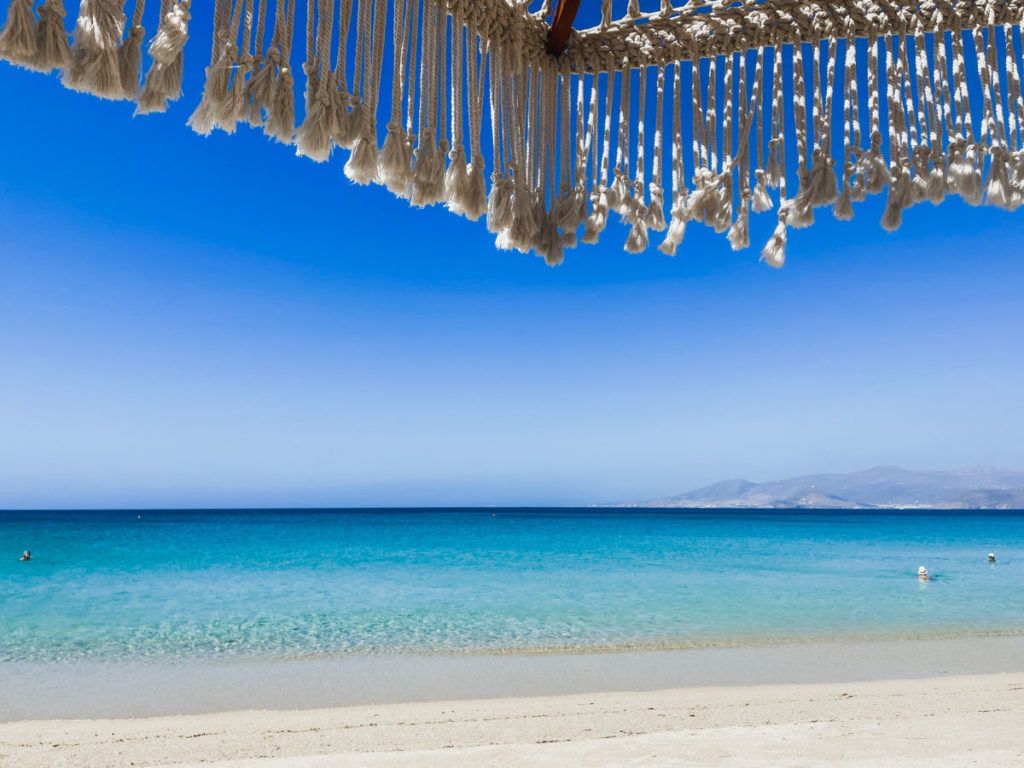
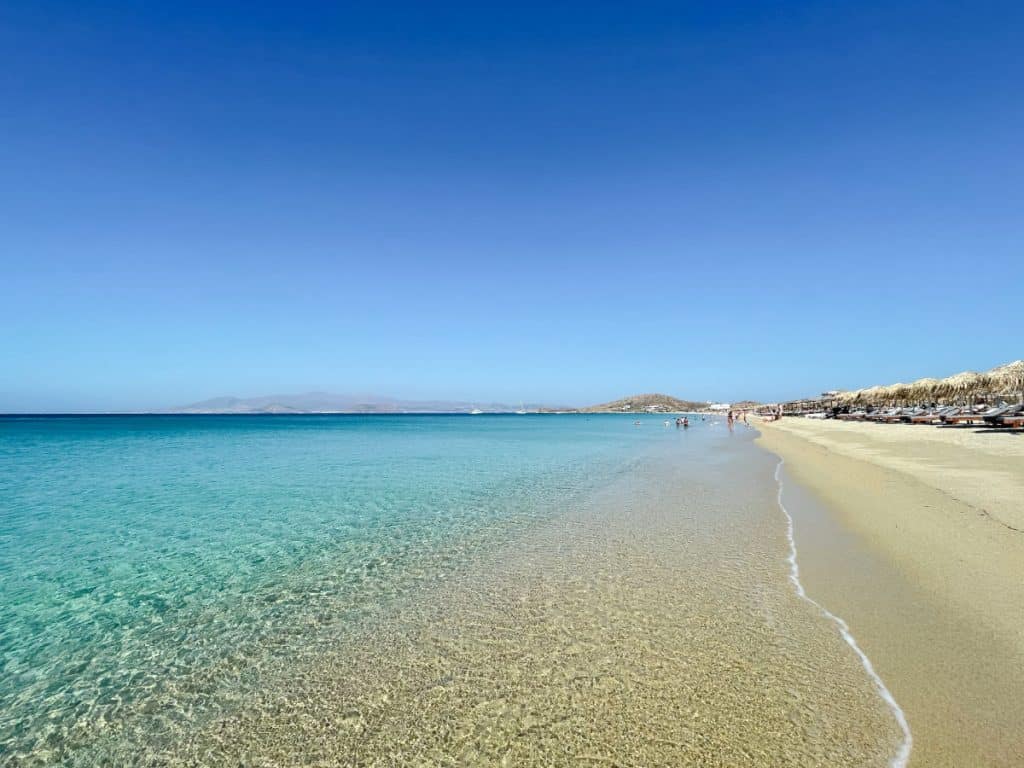
After checking in and settling into our beautiful Seaview Suite, we spent our first afternoon doing exactly what Naxos does best: beach relaxation. The Agios Prokopios beach, right across from our hotel, exceeded all expectations. The water is incredibly clear with beautiful turquoise hues, the sand is soft and golden, and the beach is long enough that it never feels too crowded.
We lazed on our complimentary sun loungers, took refreshing dips in the Aegean Sea, and simply soaked in the beauty of our surroundings. After a few days in crowded Santorini and managing the chaotic Greek ferry, this unhurried afternoon was exactly what we needed.
As evening approached, we enjoyed a sunset dinner at the hotel’s restaurant and a brief stroll through town. We still laugh that one of the beach bars up the road was screening My Big, Fat Greek Wedding!
Day 2: Private Sailing Adventure to Paros and Antiparos
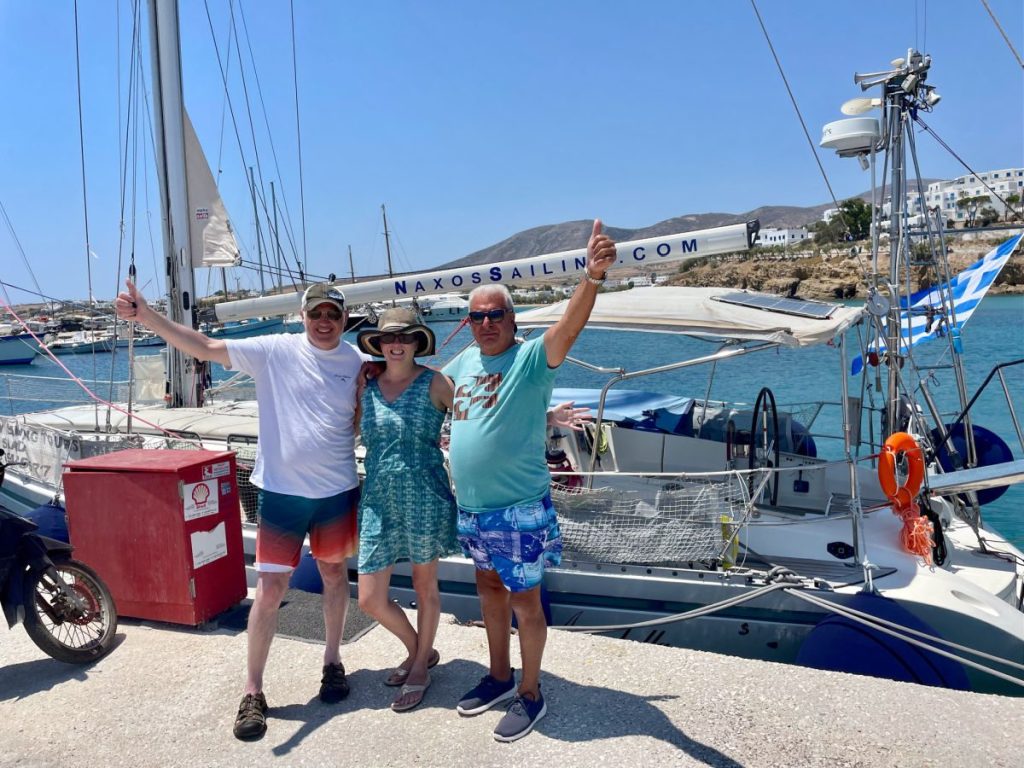
Our first full day in Naxos was one of the highlights of our entire 10-days in Greece. After a leisurely room service breakfast (included with our stay), we headed to the Naxos marina to meet Captain George and his beautiful sailing yacht Annabella for a private full-day sailing tour with Naxos Sailing.
Captain George is quite the character — a little rough around the edges but full of stories. I had specifically booked this private sailing trip to Antiparos and Paros because I wanted to explore neighboring islands without the hassle of ferry schedules, and it turned out to be even better than I had imagined.
As we sailed out of Naxos harbor, a pod of dolphins appeared alongside the boat — a magical start to the day! Our first stop was at some small islets off Antiparos, where the water was so clear you could see straight to the sandy bottom. We spent time snorkeling in the pristine waters.
Next, Captain George sailed us to a dramatic sea cave off Paros, where we could swim right into the cave opening (although I chickened out because I’m not that strong of a swimmer). Afterward, we sailed to the charming fishing village of Piso Livadi on Paros, where we had the option to take a taxi to town or relax on the beach.
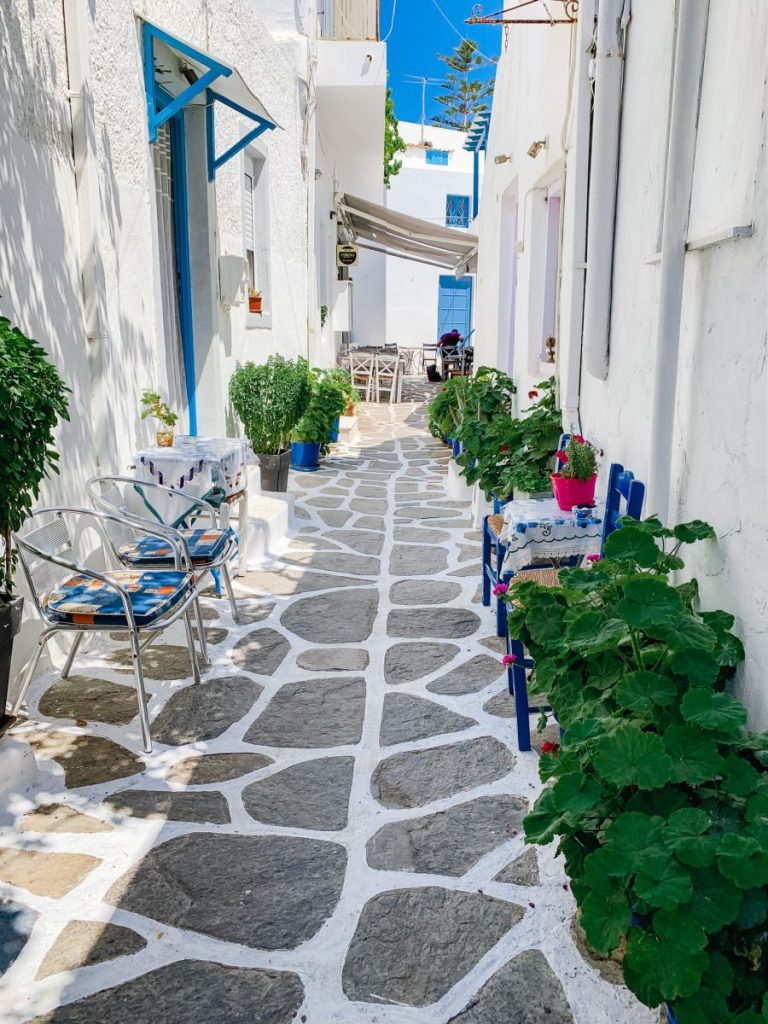
We decided to take a quick taxi ride to Naoussa, one of the most picturesque villages in the Cyclades. Walking through Naoussa’s narrow whitewashed streets, admiring the colorful fishing boats in the tiny harbor, and browsing the charming boutiques made me fall completely in love with this village. If we return to the Greek islands, staying in Naoussa and Paros is at the top of my list.
After exploring Naoussa, we sailed back to Naxos Town, with both of us taking turns at the helm under Captain George’s guidance. There’s something incredibly freeing about steering a sailboat across the azure Aegean Sea with the wind in your hair and Greek islands on the horizon.
Exhausted but exhilarated from our day at sea, we opted for a relaxed dinner close to our hotel at Spiros. This family-run taverna epitomizes authentic Greek dining — huge portions of traditional Greek and Naxian dishes, warm hospitality, and prices that seem too good to be true. Seriously, our entire meal including appetizers, two generous entrees, and drinks came to about 40 euros. Just remember not to over-order; Greek portions are enormous!
Day 3: Cheese, Food, Wine, and Island Tour

This was hands-down one of our favorite days of the entire Greece trip. We had booked a full-day Cheese, Food, Wine, and Island Tour with Eleni from Philema Food Tours, and I cannot recommend this experience highly enough. If you want to truly understand Naxian food culture, local traditions, and the island’s incredible agricultural heritage, this tour is absolutely essential.
Pro tip: Skip breakfast on the day of this tour. Trust me on this!
Our first stop was at a family-run cheese farm nestled in the Naxian countryside. We were greeted by friendly goats whose milk would soon become cheese, and then welcomed into the family’s kitchen for a feast of homemade Naxian specialties. The table was laden with fresh bread, local cheeses (including the famous graviera and arseniko), salads made with vegetables from their garden, local wine, and so much more. Every bite was incredible.
After this abundant meal, we rolled up our sleeves and got hands-on with the cheese-making process. Under the guidance of the cheesemaker, we helped create one of Naxos’s famous cheeses, learning techniques that have been passed down through generations. This authentic cultural experience — making cheese in a farmhouse kitchen with a Greek family — felt incredibly special and was almost hard to leave.
Our next stop was a tiny mountain village with only seven full-time residents. Here we met a potter whose family has been creating traditional pottery for generations. We watched a mesmerizing pottery demonstration, explored the village’s ancient olive oil press, and browsed through beautiful handmade ceramics in his shop.
The tour then wound through the mountains, stopping at scenic overlooks for photos of the dramatic Naxian landscape. A highlight was the charming village of Chalki, known for its historic Kitron distillery. This beautiful village, with its neoclassical architecture and narrow streets, is also a great place to watch local artisans at work. I’m not a fan of Kitron, but I’m glad we had some time to explore this village.
Lunch was in the stunning mountain village of Apiranthos, where the streets are paved with local marble, creating a uniquely beautiful setting. We dined at Amorginos Restaurant, where we sampled two dishes famous in this village: a heavenly veal with eggplant, tomato sauce, and cheese baked and topped with yogurt, and roasto — pork thigh aged for two months, stuffed with garlic and pepper, and slow-cooked in tomato sauce.
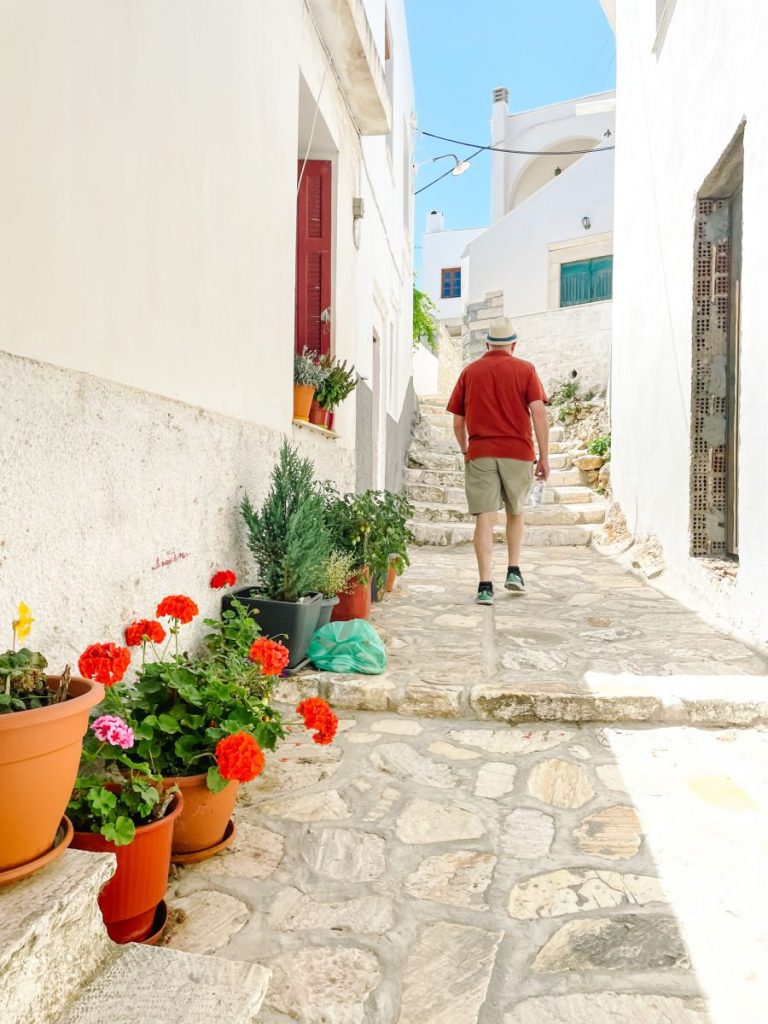
I’m not usually a huge pork fan (unless it’s bacon!), but roasto completely won me over. If you see this dish on a menu anywhere in Naxos, order it immediately. The meat was incredibly tender and flavorful, unlike anything I’d tasted before. After lunch, we wandered through Apiranthos’s marble-paved alleyways, getting delightfully lost in the labyrinth of streets.
Our final stop was at a vineyard where we learned about Naxos’s wine-making history. While Naxos has the most vineyards and ancient vines in the Cyclades (some dating back millennia), it’s historically not been known for refined wine — most Naxian wine traditionally combined all grape varieties and fermented them together to create a very strong house wine.
However, one ambitious winemaker is changing that, producing elegant wines using traditional Naxian grapes with modern techniques. The vineyard tour and tasting, with views overlooking the vines and the Aegean Sea in the distance, was the perfect ending to this incredible food-focused day.
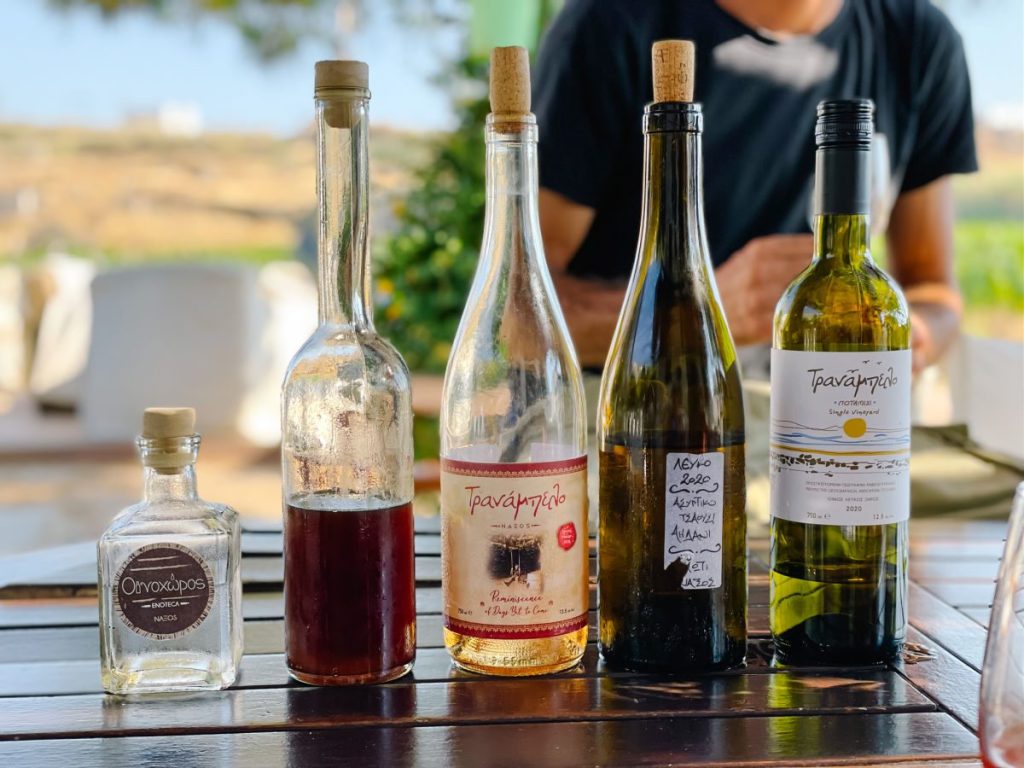
That evening, still full from our day of feasting, we enjoyed a simple but delicious dinner at nearby Giannoulis in Agios Prokopios — another excellent family taverna with authentic Greek food and friendly service.
Day 4: Beach Day and Evening in Naxos Town

After two busy days of adventures, we decided to embrace the slower pace that makes Greek island life so appealing. We spent the entire day at Agios Prokopios beach, alternating between swimming in the crystal-clear Aegean, reading on our sun loungers, napping in the shade of our rope umbrella, and watching windsurfers glide across the water.
The beach at Agios Prokopios is truly exceptional. The water stays relatively shallow for quite a distance from shore, making it perfect for swimming, and the clarity is remarkable — you can see your feet even when you’re waist-deep. The beach has organized sections with sun loungers and umbrellas (the hotel’s section was complimentary for guests), as well as free areas where you can set up your own towel.
As early evening approached, we headed into Naxos Town (Chora) for sunset and dinner. Our first stop was Oinohoros, a small wine bar tucked into a quiet side street. This intimate spot is owned by the winemaker we met on our food tour, and it focuses exclusively on high-quality Greek wines. While many visitors head to rooftop bars for sunset drinks, we loved the more authentic, low-key atmosphere of this wine bar.
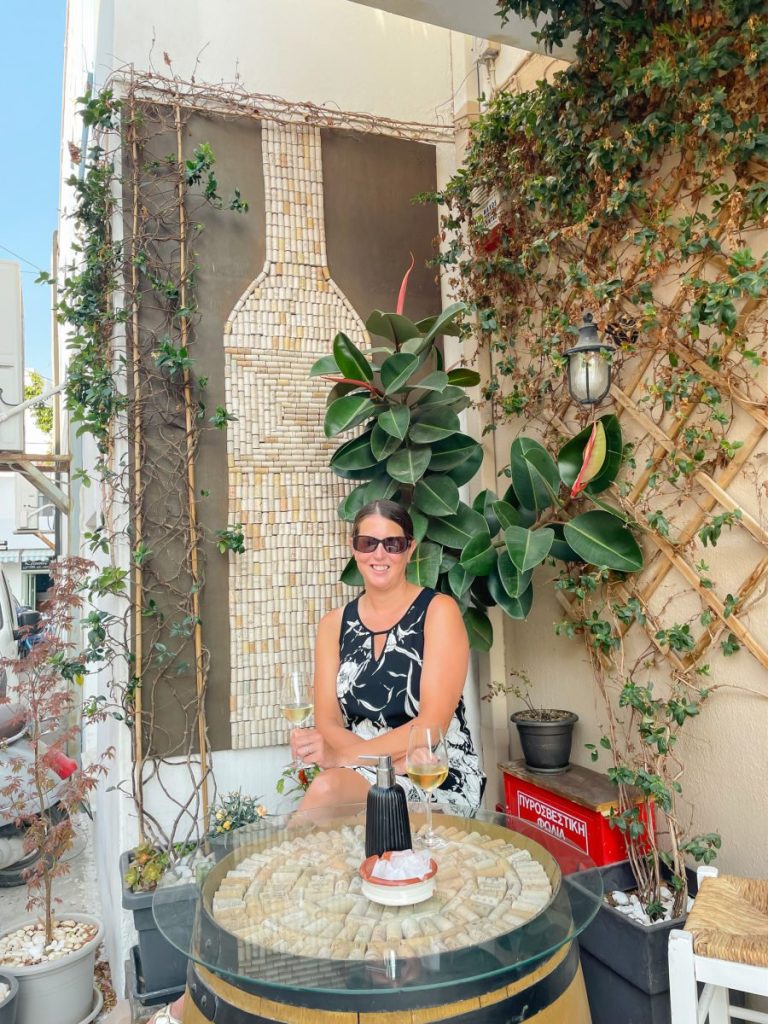
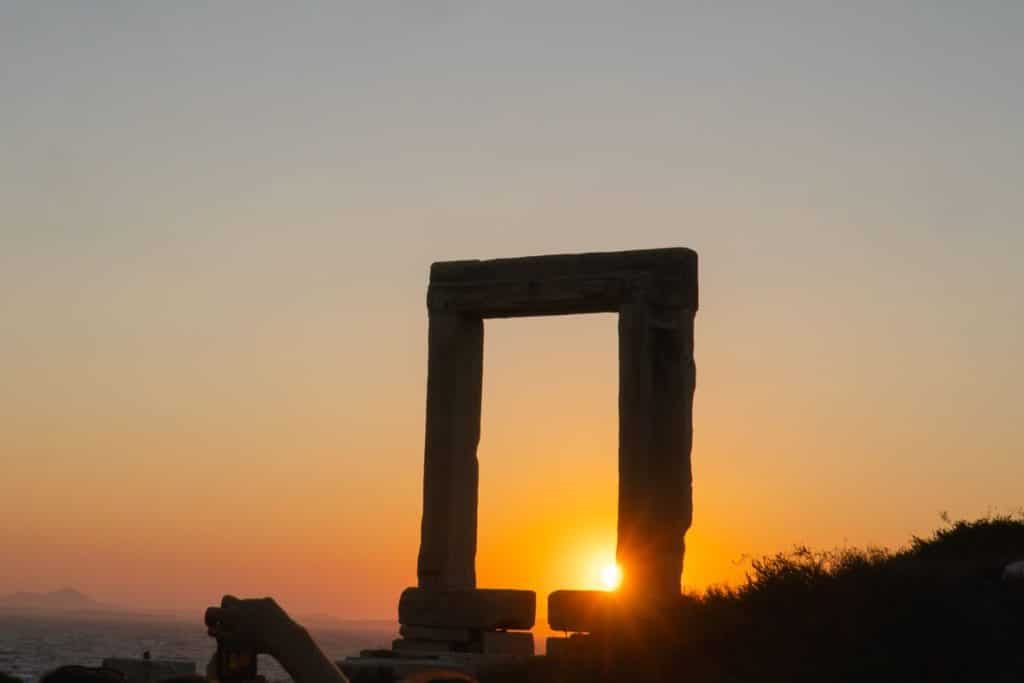
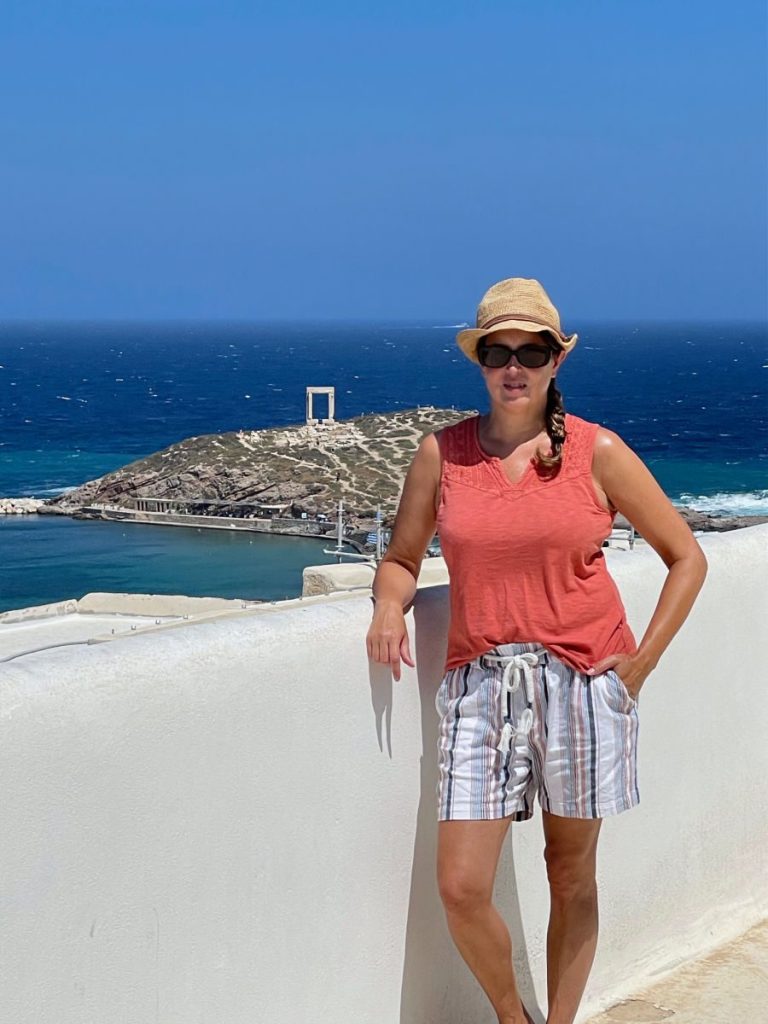
After sampling several excellent Greek wines, we walked to the Portara (Apollo’s Temple) for sunset. This massive marble doorway, perched on a small peninsula at the edge of Naxos harbor, is the island’s most iconic sight. The Portara is particularly magical at sunset, when the ancient marble glows golden and you can watch the sun sink into the Aegean.
We arrived a bit later than ideal and couldn’t secure the absolute best viewing spot, but it wasn’t so crowded that we couldn’t enjoy the sunset. The walk out to the Portara is lovely, crossing a causeway with water on both sides and the old town rising behind you.
Dinner that evening was at Doukato, set in a romantic courtyard in the old town. While the ambiance was lovely — candlelit tables under flowering vines, historic stone walls, and soft music — the food was just okay. For a more vibrant atmosphere and excellent food, I’d recommend Apostolis in Old Town, which we heard great things about from other travelers.
Day 5: Exploring Naxos Town and Farewell
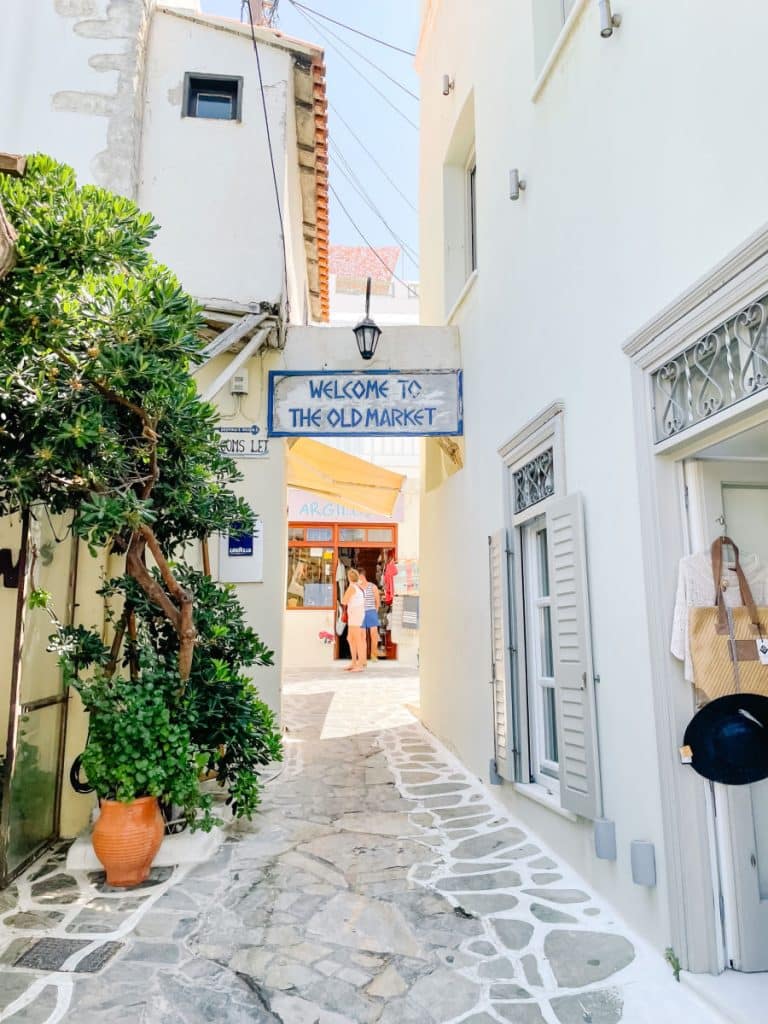
On our final full day in Naxos, we dedicated the morning to thoroughly exploring Naxos Town (Chora). After getting delightfully lost in the labyrinth of the Old Market the previous evening, we wanted to see these atmospheric neighborhoods by daylight.
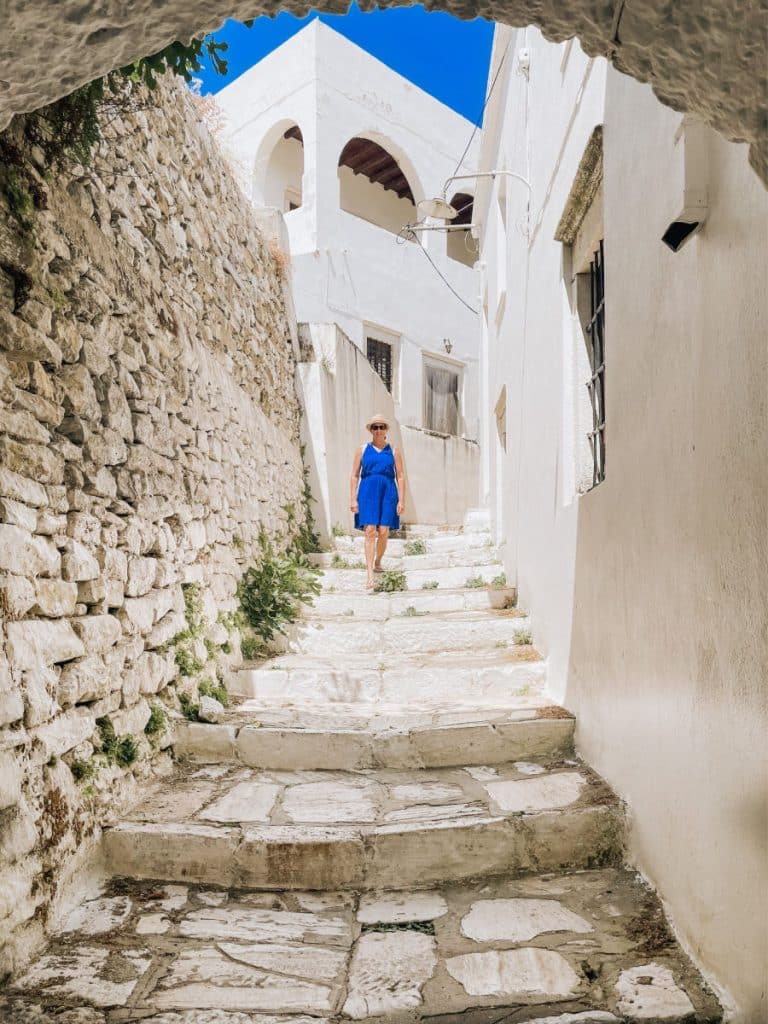
Naxos Town is a wonderful place to wander without a specific plan. The old town is built on a hillside, with narrow cobblestone streets winding upward toward the medieval Kastro (castle) district. We spent several hours exploring these enchanting alleyways, discovering local shops and restaurants.
The Kastro, the medieval fortress at the town’s highest point, dates back to the 13th century when Venetian rulers controlled Naxos. You can still see the coat of arms on some buildings, and the stone archways and towers create an atmospheric setting. From up here, the views over the town and harbor are spectacular.
When the midday heat became intense, we stopped for coffee on the rooftop terrace of the 520 Cocktail Bar & Restaurant. During the day, this spot is much more mellow than at night, and it offers beautiful views over the rooftops and out to the sea. It was the perfect place to rest, sip cold frappes, and watch Naxos life unfold below.
Our wandering also took us down to St. George’s Beach, the town beach where locals swim and families gather. It’s convenient if you’re staying in Chora, though the beaches further south are more pristine. We then walked along the harbor promenade, watching fishing boats come and go and admiring the restaurants and shops that line the waterfront.
After our morning in town, we caught a cab back to Agios Prokopios for one last beach session. We wanted to soak in every possible moment of that beautiful beach before leaving Naxos.
That evening, we returned to Naxos Town for a special farewell dinner at Barozzi, one of the more upscale restaurants in Chora. Sadly, it looks like that restaurant is now permanently closed, but there are plenty of other choices in Naxos Town. Or if you are looking for a simple meal, I had the best chicken souvlaki of my life at Pikantiko Grill House in the port area on our last day while waiting for our ferry.
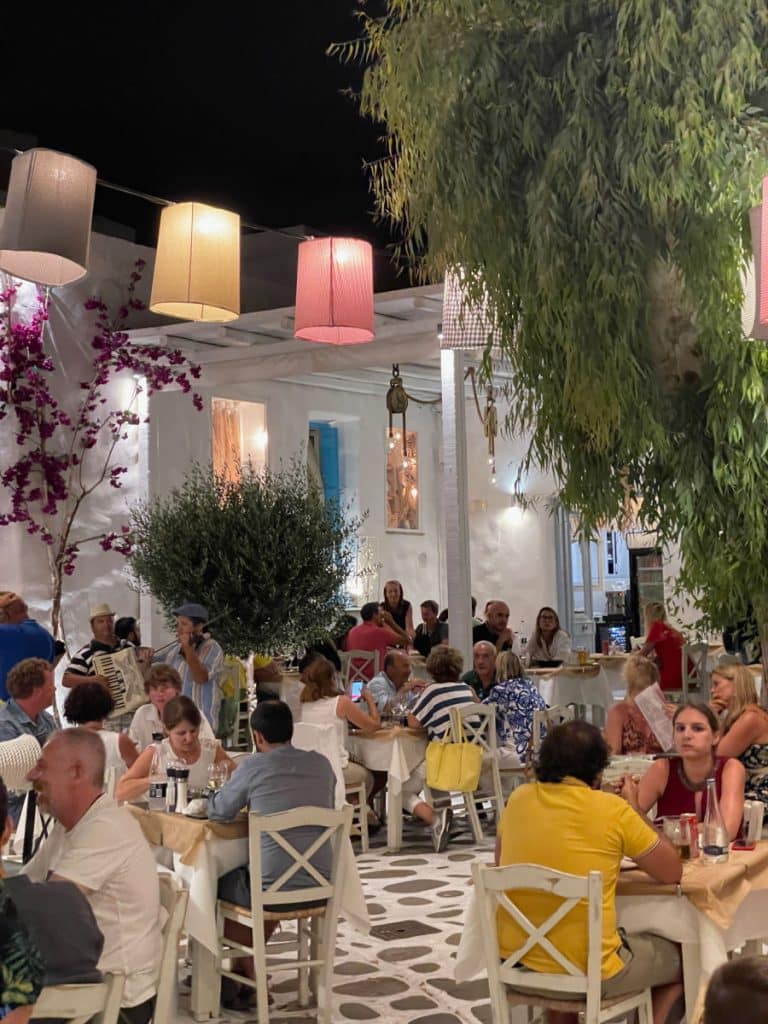
As we walked back through the illuminated streets of Naxos Town one last time, past the glowing Portara and along the moonlit harbor, we both agreed that Naxos had captured our hearts in a way we hadn’t anticipated. This island offers something rare: the stunning beauty and romance of the Greek islands without the overwhelming crowds and inflated prices of its more famous neighbors.
Fun Facts About Naxos
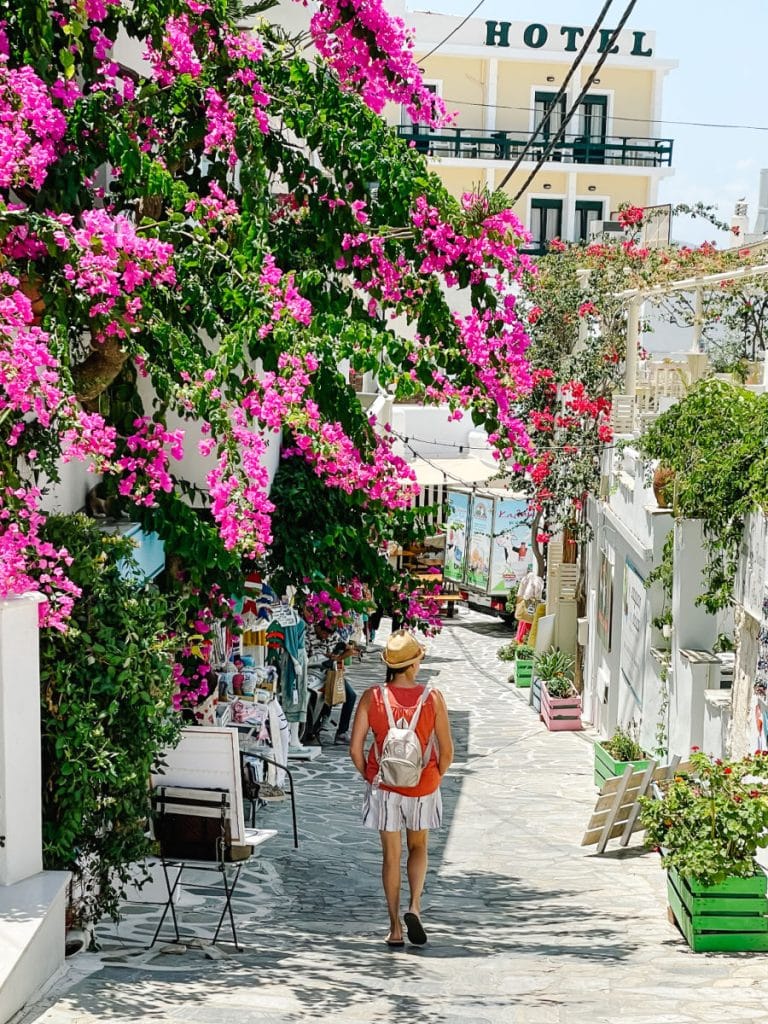
Before visiting, here are some fascinating facts about Naxos that make this island so special:
The Greenest Island: Naxos is the most fertile island in the Cyclades, producing its own potatoes, olives, wine, citrus fruits, and more. The island’s agricultural bounty means you’ll enjoy incredibly fresh, locally-sourced food throughout your stay. Although I just want to note that while Naxos potatoes are famous and delicious, they take an incredible amount of water, which is very scarce on the Greek Islands. So if you want to have a light footprint and eco-conscious, avoid eating potatoes while on the island.
Zeus’s Childhood Home: According to Greek mythology, Zeus, the king of the gods, was raised in a cave on Mount Zas (also called Mount Zeus), the highest peak in the Cyclades at 1,003 meters. The cave is still accessible to adventurous hikers today.
Cheese Paradise: Naxos produces some of Greece’s finest cheeses, including graviera (a hard cheese similar to gruyere) and arseniko (a spicy soft cheese). The island has been making cheese for over 3,000 years, and you’ll find it featured prominently in local cuisine.
The Unfinished Temple: The famous Portara (Apollo’s Temple) that graces the harbor was never completed. Construction began in 530 BC but was abandoned when the island’s tyrant was overthrown. The massive marble doorway, standing 6 meters tall, is now Naxos’s most iconic landmark.
Ancient Marble Quarries: Naxos has been famous for its high-quality marble since ancient times. Some of the finest sculptures in ancient Greece, including works housed in major museums today, were carved from Naxian marble.
Kitron Liqueur: Naxos is the only place in the world where citron leaves are distilled to create Kitron, a unique liqueur that comes in three varieties (green, yellow, and clear). The tradition dates back over 150 years, and you can visit the historic Vallindras Distillery in the village of Chalki.
How to Get to Naxos
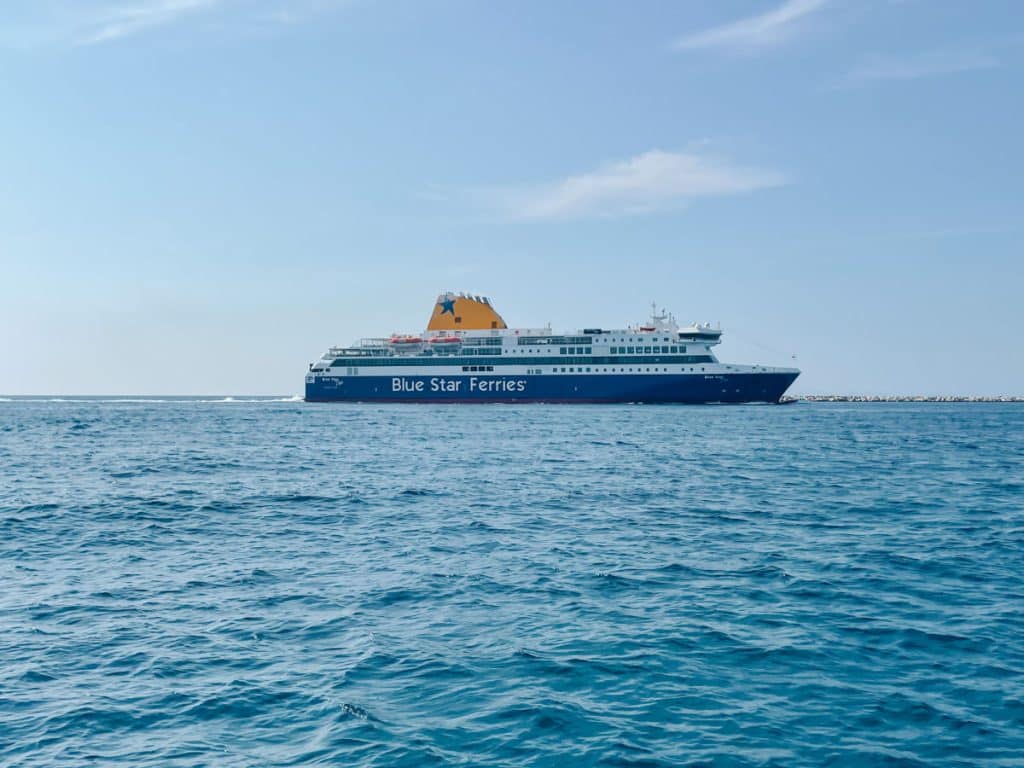
Naxos is well-connected to Athens and other Greek islands, making it easy to reach whether you’re starting your Greek adventure or island-hopping through the Cyclades.
By Ferry from Athens
The most common way to reach Naxos is by ferry from Athens’s port of Piraeus. There are multiple ferry options daily, ranging from high-speed catamarans (3.5-4 hours) to slower conventional ferries (5-6 hours). I recommend booking your ferry tickets in advance, especially during peak season (June-September), as they can sell out.
Use FerryHopper to compare schedules and prices across different ferry companies. The high-speed ferries cost more but save significant time. Blue Star Ferries and SeaJets are the most reliable operators. Book online and either check in digitally or print your tickets at the ferry office before boarding.
Pro tip: Greek ferries can be a bit chaotic during boarding, and they often run late due to weather conditions. Don’t stress if things seem disorganized — it’s all part of the Greek island experience! Make sure you know your ferry line name and final destination, as boats make multiple stops. I also work with partners that provide a ferry concierge to escort you seamlessly to your ferry.
By Ferry from Other Islands
If you’re island-hopping, Naxos is excellently positioned in the heart of the Cyclades. From Santorini, the ferry takes about 1.5-2 hours. From Mykonos, it’s approximately 1 hour. From Paros, it’s only 45 minutes. This central location makes Naxos an ideal base for exploring multiple islands or a perfect middle stop on your Greek island adventure.
By Air
Naxos has a small airport with limited flights from Athens on Olympic Air and Sky Express. Flights take about 45 minutes, but they’re more expensive than ferries and schedules can be irregular. If you’re short on time or prone to seasickness, flying might be worth the extra cost. However, the ferry journey offers beautiful Aegean Sea views and is part of the authentic Greek island experience.
Where to Stay in Naxos
Choosing where to stay on Naxos depends on what kind of experience you’re looking for. The island offers diverse accommodation options, from luxury beachfront resorts to charming mountain villages.
Agios Prokopios (Where We Stayed)

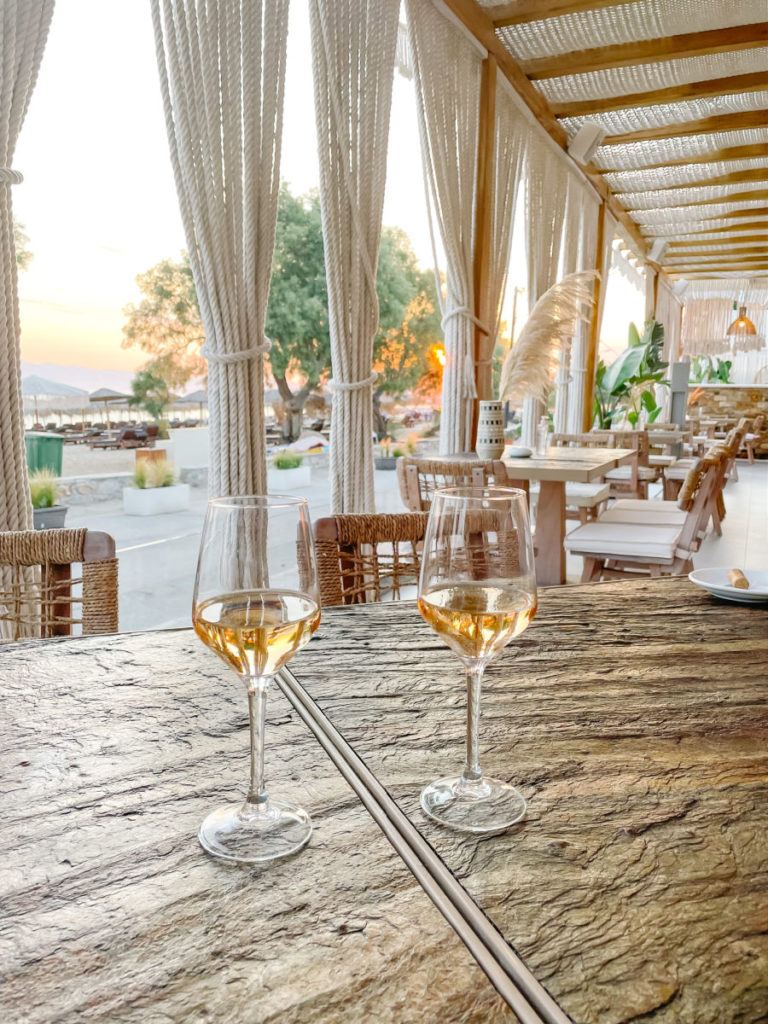



For our 5-night stay, we chose Virtu Suites in Agios Prokopios, and it turned out to be the perfect choice for this trip. This boutique hotel sits right across from one of Naxos’s most beautiful beaches, offering the ideal balance of relaxation and convenience.
Virtu Suites features stunning contemporary design that beautifully incorporates bohemian and coastal styles with classic Cycladic architecture. The use of natural materials like rope, stone, and driftwood creates an atmosphere that’s both luxurious and authentically Greek. Our Seaview Suite opened directly onto a small pool, but we spent most of our downtime on the gorgeous beach, where the hotel provides complimentary padded sun loungers and rope umbrellas in a prime reserved section.
The hotel’s restaurant serves exceptional food with beautiful sunset views, and the included room service breakfast was a luxurious way to start each day. Agios Prokopios itself is a lovely area with several excellent tavernas within walking distance, and Naxos Town is just a 10-minute drive away.
Why we loved Agios Prokopios: Stunning beach with crystal-clear water and soft sand, close proximity to Naxos Town without being in the middle of tourist crowds, excellent restaurants and tavernas nearby, and a perfect base for exploring the entire island.
Other Great Areas to Stay
Naxos Town (Chora): Perfect if you want to be in the heart of the action with easy access to restaurants, shops, nightlife, and the famous Portara. St. George Beach is right in town, though it’s more crowded than beaches further south. This is ideal for first-time visitors who want to explore on foot.
Plaka Beach: One of the longest and most beautiful beaches on the island, Plaka offers a more laid-back atmosphere with excellent beachfront hotels and tavernas. It’s quieter than Agios Prokopios but still convenient to Naxos Town (15 minutes by car).
Essential Tips for Visiting Naxos
When to Visit
The best time to visit Naxos is during the shoulder seasons — May to early June and September to early October. During these months, you’ll enjoy warm weather perfect for swimming, fewer crowds, and lower prices. We visited in early July, which was beautiful but starting to get quite hot and more crowded.
July and August are peak season, with the hottest weather, highest prices, and most tourists. However, Naxos is large enough that it never feels as overwhelmingly crowded as Santorini or Mykonos, even in August. The island virtually shuts down from November through March, with many hotels and restaurants closed.
Getting Around
Renting a car is highly recommended if you want to explore the island thoroughly. Naxos is the largest Cycladic island, and many of the most beautiful villages and beaches are scattered across the island. Car rentals are affordable (around 30-40 euros per day in shoulder season), and driving is relatively easy once you get used to the narrow roads.
That said, we didn’t rent a car for our stay and still had a wonderful time. We relied on taxis, pre-booked transfers, and tours with transportation included. Taxis are readily available and reasonably priced for shorter trips. If you’re staying near Naxos Town and primarily want to enjoy beaches and local tavernas, you can absolutely skip the car rental.
Money and Budget
One of Naxos’s greatest appeals is that it’s significantly more affordable than Santorini or Mykonos. You can enjoy excellent meals at traditional tavernas for 20-40 euros for two people including drinks. Even our splurge dinner at Barozzi was reasonable compared to similar restaurants in Santorini.
While many places accept credit cards, it’s wise to carry some cash for smaller tavernas, beach bars, and shops. There are ATMs in Naxos Town and the main beach areas. Tipping isn’t mandatory in Greece but is appreciated — 5-10% for good service is standard.
What to Pack
Essentials for Naxos include high-SPF sunscreen (the sun is intense!), a good hat, comfortable walking shoes for exploring cobblestone streets and villages, reef-safe sunscreen for swimming, a reusable water bottle, and a light cover-up or scarf for visiting churches (shoulders and knees should be covered).
For evenings, Greeks tend to dress up a bit more than American casual, especially for dinner. Bring at least one nicer outfit if you plan to dine at upscale restaurants. A light sweater or jacket is useful for evenings, especially in shoulder season when it can cool down.
Food and Dining Tips
Don’t over-order! Greek portions are enormous, especially at traditional tavernas. One appetizer and one main course per person is often plenty. Many dishes are designed for sharing.
Must-try Naxian specialties include graviera cheese (aged, nutty, similar to gruyere), arseniko cheese (soft, spicy, spreadable), roasto (the famous pork dish from Apiranthos), fresh fish and seafood (always ask what was caught that day), and Kitron liqueur (citron-based, unique to Naxos).
Greeks dine late — most restaurants don’t even open for dinner until 7 or 8 pm, and locals often don’t arrive until 9 or 10 pm. Make dinner reservations for popular restaurants, especially in high season.
Beach Tips
Most organized beaches charge for sun loungers and umbrellas (typically 8-15 euros for a set). However, by law, all Greek beaches are public, so you can always set up your own towel for free. The organized sections usually come with the convenience of nearby beach bars and restaurants.
The west coast beaches (Agios Prokopios, Agia Anna, Plaka) are generally calmer with crystal-clear water, perfect for swimming and families. The north coast beaches can have more wind, making them popular with windsurfers and kitesurfers.
Water shoes can be helpful on some beaches with pebbles or rocks, though the main beaches have lovely soft sand. The water temperature is perfect from June through September.
Do you need help planning your trip? If you are feeling overwhelmed and don’t have the time or resources to wade through tons of information and question your decisions, I help clients plan a custom itinerary, tailored to your interests and travel style. Learn more about my Travel Advisor and trip planning services.

Tamara Gruber is an award-winning travel writer and the founder of Your Time to Fly. With more than a decade of professional writing experience across two travel publications and hundreds of destination guides, she specializes in crafting practical, detailed itineraries that help travelers explore the world with confidence. Her work reflects years of on-the-ground research across the globe. Tamara is a member of SATW and serves on the Board of Directors of the Family Travel Association.