
Japan has been a hot destination in the last few years, consistently topping traveler wish lists, especially for families. It is a land of profound contrasts, where ancient tea ceremonies exist in the shadow of neon skyscrapers, and where the world’s most advanced transit system whisks you toward quiet mountain shrines.
However, Japan is also a destination that carries a heavy “mental load.” The logistics of navigating the Shinkansen, the complexities of luggage forwarding (takkyubin), and the sheer volume of “must-see” sights can turn a dream vacation into a second full-time job of researching and troubleshooting.
For the discerning traveler, the goal isn’t just to check off a list of places to see, but to also experience the unique elements of Japanese culture — both the ancient and the modern. After visiting Japan with my family, I love helping clients plan their own trips based on their unique interests and deciding on the routing that is the best fit to balance discovery and downtime.
This itinerary is based on my personal experience, designed for a first-time visitor to Japan who wants to explore the highlights of the Golden Route. But it doesn’t need to be a rigid checklist, this can easily be adapted to suit your travel style. If you find yourself overwhelmed by the planning, remember that my role as a travel advisor is to take these pieces and assemble them into a bespoke, hands-free journey just for you. Learn more about my custom trip planning services.
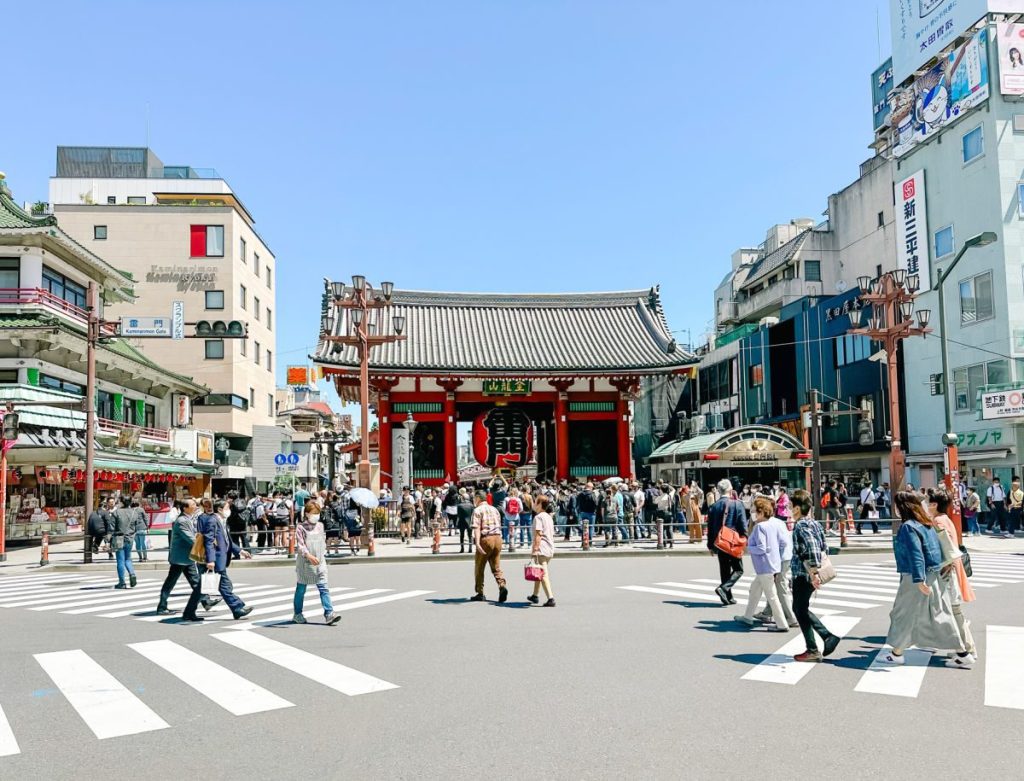
2-Week Japan Itinerary
Before we dive into the day-to-day flow, it’s important to align your expectations with the current reality of travel in Japan. In 2026, the country is seeing record-breaking interest, which makes “winging it” a recipe for frustration.
- How Long to Stay: While you can “see” Tokyo and Kyoto in a week, 10 to 14 days is the sweet spot. This allows for a 5-night anchor in Tokyo and 5-8 nights in the Kansai region (Kyoto/Osaka), with possible room for a rural “breather” in between. A longer trip is especially called for if you are traveling from the East Coast, given the time and effort it takes to get there and back.
- Where to Focus: For a first or second trip, the “Golden Route” (Tokyo-Kyoto-Osaka) remains the gold standard for a reason. It offers the highest density of culture, dining, and ease of transit. If you crave more nature, Hakone is a seamless addition; for more history with fewer crowds, Kanazawa is the sophisticated choice.
- Budgeting for “Approachable Luxury”: Japan is no longer the “budget-shredding” destination it was in the 90s, but it is still a pricey destination.
- Accommodation: Expect to spend $400–$800 per night for 4-star plus or boutique luxury hotels in major cities.
- Dining: You can eat exceptionally well for $100–$200 per person per day, covering a mix of casual lunches and high-end kaiseki or sushi dinners.
- The Investment: A 2-week trip for two, including internal First Class rail and vetted boutique stays, typically starts around $8,000–$12,000 (excluding international flights).

Tokyo: Urban Immersion (Days 1–5)
Note: This post contains affiliate links. If you click a link and make a purchase, I may receive a small commission at no cost to you.
Tokyo is not a single city; it is a collection of distinct neighborhoods, which are like mini-cities in their own right. To visit Tokyo, you need to embrace using Japan’s excellent train and metro system. Tokyo is really about the ultramodern, so hit a few historic spots but save a lot of that for Kyoto, so you don’t get shrine fatigue, and enjoy the uniqueness of modern Japanese culture.
Where to Stay
The three most popular neighborhoods are Shinjuku, Shibuya, or Ginza. Here is how the three main hubs compare:
- Shinjuku: The Skyscraper Sanctuary
- The Vibe: Shinjuku is one of the biggest hubs, but where in this district you stay matters. The East side is neon, nightlife, and grit; the West side (Nishi-Shinjuku) is a sophisticated district of soaring glass towers and wide, quiet boulevards.
- Pros: Unbeatable transit connections to the rest of Japan (including the Fuji Excursion train and the Shinkansen hub at Tokyo Station just 15 minutes away).
- Cons: Shinjuku Station is the world’s busiest; navigating it with luggage without help can be overwhelming.
- My Take: We stayed at the Hilton Tokyo in West Shinjuku because it sits in the “quiet zone”, but it features a direct underground walkway to the Tochomae Metro Station. For those seeking the pinnacle of luxury, the iconic Park Hyatt Tokyo has just reopened (late 2025) after a massive top-to-bottom refinement and remains the gold standard for service and “Lost in Translation” views.
- Shibuya: The High-Energy Heart
- The Vibe: Youthful, trendy, and undeniably “Tokyo.” It’s the center of fashion and the home of the famous Scramble Crossing.
- Pros: Incredible walkability to Harajuku and Omotesando (the “Champs-Élysées” of Tokyo). It feels very “alive” at all hours.
- Cons: It can feel relentless. The crowds near the station are constant, and the hills can make walking tiring after a long day of sightseeing.
- My Take: Shibuya is great if you want to walk out your door and be in the “buzz.”
- Ginza: The Polished Pedigree
- The Vibe: Timeless elegance and high-end luxury. Think of it as the Upper East Side of Tokyo.
- Pros: Impeccably clean and safe. It’s home to the city’s best department stores and Michelin-starred dining. It is also very close to Tokyo Station for an easy morning Shinkansen departure.
- Cons: It lacks the “neon-future” energy of Shinjuku or Shibuya. It can feel a bit formal or “business-focused” for those seeking a more eclectic Tokyo experience.
- My Take: Ginza is the “stress-free” choice. If you want a seamless experience where every street feels curated and every shop offers world-class service, this is your base. The Park Hotel Tokyo in nearby Shiodome is a fantastic middle-ground, offering “Artist Rooms” with stunning views of the Tokyo Tower.
Day 1: Arrival and Introduction
Your arrival can feel a bit overwhelming, so I like to recommend a VIP meet and greet service at the airport and a private transfer to your hotel. Keep in mind that if you are arriving at the Narita airport, it is at least an hour outside of Tokyo. Haneda airport is closer and offers a number of non-stop flights from the U.S.
Since you will be feeling tired and jet lagged, I would recommend starting slow and getting an early night. If you are up to it, you can brave the Shibuya Scramble Crossing and take in the magnificent city views from the Shibuya Sky Tower.
Day 2: Tradition Meets Modern

Start off day two with an introduction to Japanese culture, with an introduction to Buddhist and Shinto traditions at the Meiji Jingu Shrine. Located in the lush and quiet oasis of Meiji Jingu Gaien Park, the Meiji Jingu Shrine was established in 1920 to honor Emperor Meiji and Empress Shoken, who played crucial roles in modernizing Japan during the Meiji Restoration. After passing through a towering torii gate, you will wind your way through the park to the shrine.
Your next stop to get an introduction to modern youth culture in Japan is the nearby Harajuku neighborhood. This area has become synonymous with avant-garde fashion, street style, and unique subcultures. The main thoroughfare is Takeshita Street, which is lined with colorful shops, quirky Kawaii boutiques, and trendy cafes, attracting both locals and tourists alike.
If that doesn’t strike your fancy, you could cut across town to TeamLab Planets, which was another highlight and much-anticipated attraction for our Japan trip. This immersive digital art museum takes you on a journey through a series of interactive and sensorial installations that is unlike anything I’ve ever experienced. Timed-entry tickets are required and you should look to purchase them at least a couple of months in advance of your trip. Just keep in mind that this is a multi-sensory experience involving water (you will need to remove your shoes for the duration and walk through water up to your knees at points), darkness, and flashing lights, so it may not be appropriate for some with mobility or sensory issues.
Day 3: Explore the Food Scene

On day three, it is time to dive into Tokyo’s amazing food scene. One of the most famous tourist destinations in Tokyo is the Tsukiji Fish Market. This world-renowned market consists of two main sections: the inner market and the outer market. The inner market, once famous for its bustling tuna auctions and wholesale sales, has been relocated to Toyosu, while the outer market continues to thrive in the original Tsukiji area and is accessible to visitors.
The outer market is a lively and bustling area filled with numerous stalls, shops, and restaurants offering a wide array of fresh seafood, produce, kitchenware, and culinary delights. There is also an inside area where locals pick up fish for daily meals. It is fun to take a food tour of this area, but you can also explore on your own (just stop wherever you see a line!)
After exploring the market, you may want to get hands up with a sushi, bento, or gyoza making class with a local. There are so many other fun food experiences to enjoy from high end dining to a night food tour in Shibuya or finish up your day with a walk through the narrow alley of Omoide Yokocho, also known as Memory Lane. This area invokes feelings of old Japan, with tiny little restaurants and izakayas (little bars) lining the alley, and chefs cooking yakitori over small charcoal grills.
Day 4: Asakusa
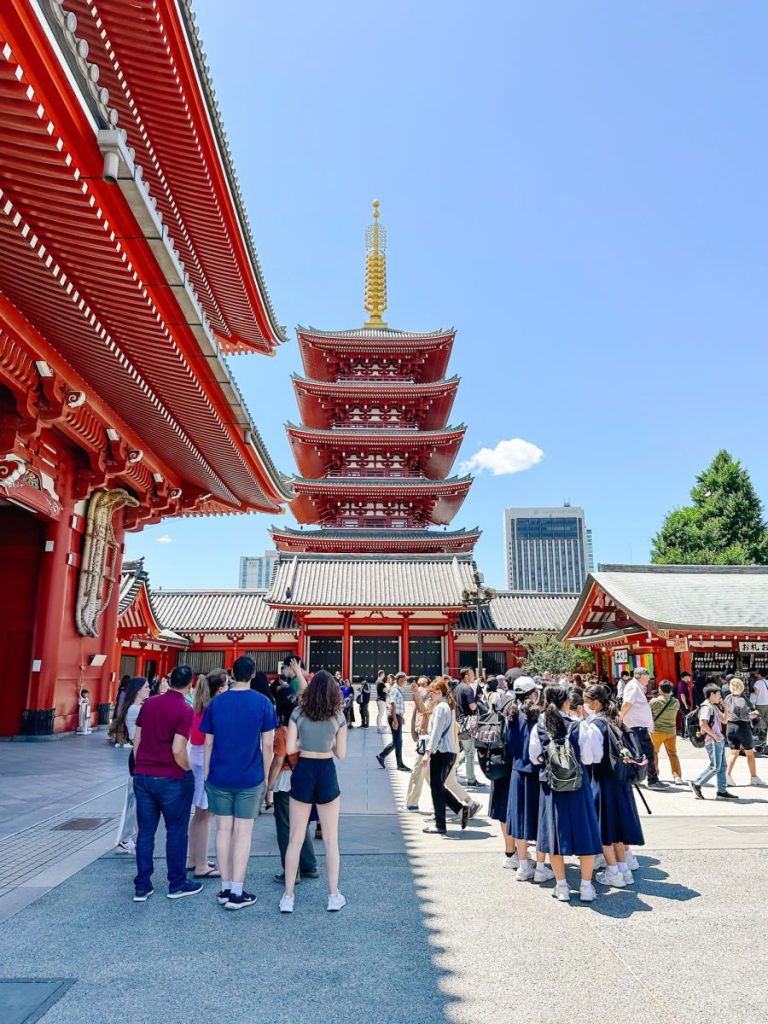
Day four brings us to another of Tokyo’s most popular tourist areas, Asakusa. Asakusa is a historic neighborhood nestled in the heart of Tokyo. Asakusa’s history dates back centuries, and it was once a bustling entertainment district during the Edo period. Today, it retains its nostalgic charm, with preserved old buildings, narrow streets, and a vibrant atmosphere, as well as theaters and entertainment centers.
One of the most famous landmarks in Asakusa is the Senso-ji Temple. This ancient Buddhist temple, believed to have been founded in the 7th century, is Tokyo’s oldest and most revered temple. Visitors enter through the iconic Kaminarimon Gate, adorned with a massive lantern and guarded by two fierce statues. The approach to the main hall, Nakamise Street, is lined with shops and stalls selling traditional souvenirs, snacks, and local street food.
Another notable attraction in Asakusa is the famous “Kappabashi Street,” also known as “Kitchen Town.” Here, visitors can witness rows of shops selling a wide variety of kitchenware, including the iconic plastic food replicas that adorn the storefronts of many Japanese restaurants. I’d recommend exploring this area with a guide to get the most out of it. You will also see a number of people taking a rickshaw ride through Asakusa.
Day 5: Special Interests (Anime, Art, Music, Sumo, Samurai…)
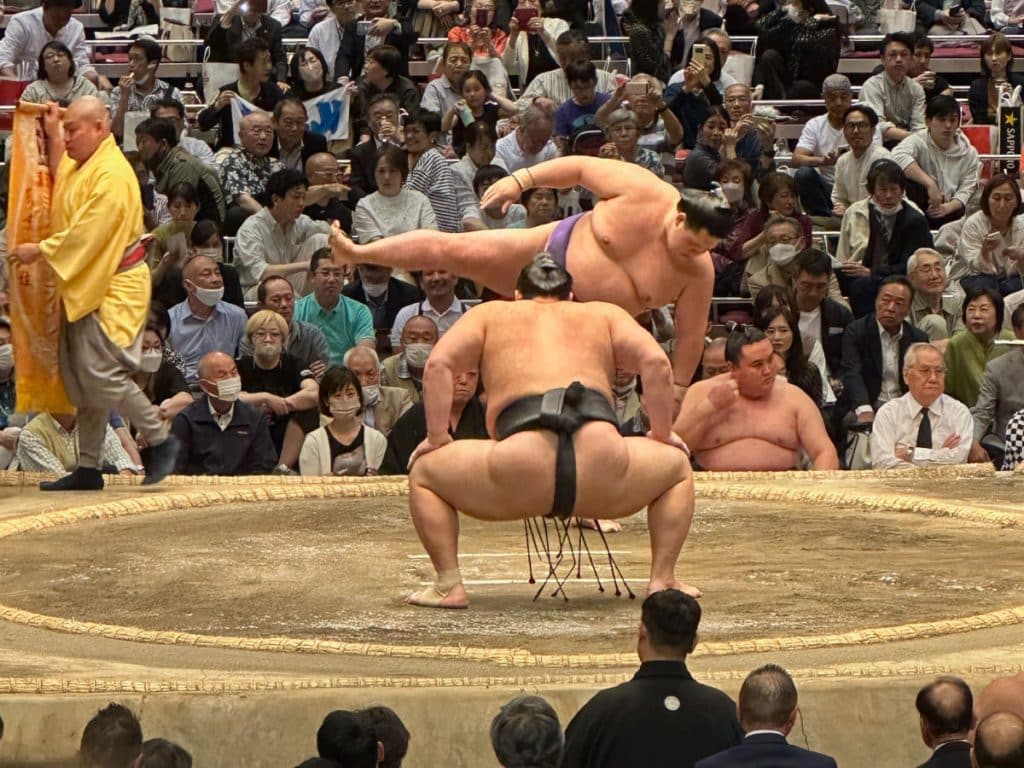
I often feel that conventional advice doesn’t leave enough time in Tokyo to dive into some of the truly unique cultural experiences that are available. I like to leave one day to arrange some of these interactive experiences which could include:
- Traditional drumming class for music lovers
- Attending a sumo wrestling practice (or even a tournament if the timing is right!)
- Enjoying a Japanese baseball game (so fun!)
- Anime drawing classes, museum visits, or gaming tours
- Samurai sword demonstration and workshop
- Kimono dressing and photo shoot
- Traditional tea ceremony
- Tokyo Disney or DisneySea day
- Go karting through Tokyo’s streets like Mario
- Shopping or pop culture tour
- Tokyo Character Street and shopping
Kyoto: A Step Back in Time

After five days in Tokyo, it is time to move on to Kyoto. Moving from Tokyo to Kyoto is where most travelers feel the logistical strain. This is where having someone to help with logistics becomes tangible. To get to Kyoto, the easiest way is by taking the Shinkansen bullet train from Tokyo Station to Kyoto Station.
Since the 2023 price hike of the JR Pass, it is rarely the best value for this 14-day route. I prefer to book individual Green Car (First Class) tickets. I always aim to book “Seat E” on the right side for the best view of Mt. Fuji as we speed past.
I never recommend my clients haul large suitcases onto the bullet train. Instead, we use Takkyubin. Your bags appear in your Kyoto hotel room the next day, while you travel with only a small overnight bag. If you are going to travel with large suitcases, we can make a reservation for your seat and luggage.
Where to Stay in Kyoto
- Hotel The Mitsui Kyoto: Built on a former aristocratic residence, this hotel features a private thermal onsen spring on-site. It’s located across from Nijo Castle, offering a more tranquil feel than the crowded Gion district.
- Park Hyatt Kyoto: If you want to be in the heart of the historic Higashiyama district, this is the gold standard. The views of the Yasaka Pagoda at sunset are unmatched.
Day 6: Arrival and Gion District
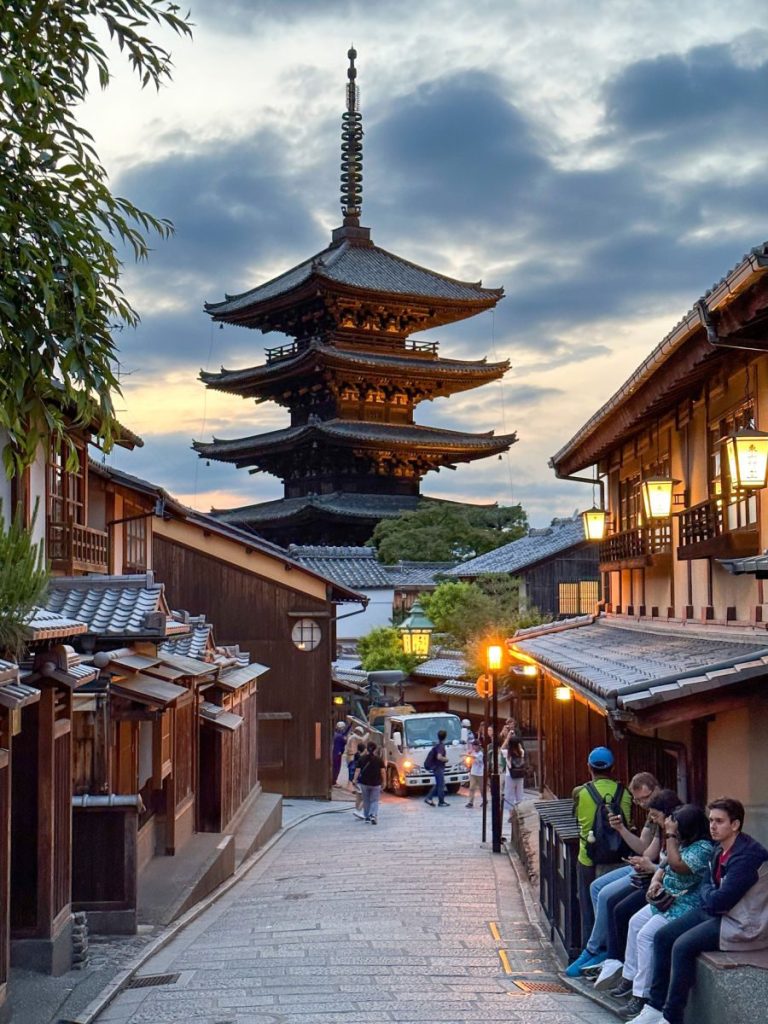
Plan to arrive in Kyoto in time to check in to the hotel. To get a sense of the city’s most popular tourist district, consider taking a Gion Night Walk tour. This district can be so crowded during the day, but at night it is peaceful and beautiful. And, you may have a chance to see Maiko (apprentice geisha) or Geiko (what they call geishas in Kyoto) heading off to their evening appointments.
You will pass by the Kenninji Temple (Japan’s oldest Zen Temple), through other smaller shrines, past the Yasaka Pagoda just as the sun was setting, and then through the Ninenzaka path and other small streets before ending at the Yasaka Shrine.
Day 7: Fushimi District

Today, explore the Fushimi district, which is a bit south of the city and home to the Instagram-famous Fushimi Inari shrine, which has a pathway through 10,000 vermillion torii gates. This is one of the most important Shinto shrines in the city and also one of the most popular tourist attractions.
The Fushimi Inari Shrine is dedicated to Inari, the Shinto deity of rice, agriculture, and prosperity. Inari is often represented by foxes, and you can find numerous fox statues throughout the shrine grounds. It is ideal if you can visit during a weekday (although still expect crowds) and arrive early before the tour busses start to roll in.
If you choose to climb all the way to the top, your entire visit will take about two hours, perhaps longer depending on how fast you climb and how many shrines you stop at along the way. Keep in mind that there any many flights of steep steps so dress comfortably and wear good walking shoes.
If you are short on time, I would recommend just climbing to the scenic overlook. By then the crowd should have thinned out sufficiently to get a few nice photos and you will have gotten the feel for the experience without having to make the entire climb.
After all that climbing, you will want to reward yourself with a drink and some good food. You can find both in the Fushimi Sake District. Located just a short train ride from the Fushimi Inari Shrine, this area is off of the main tourist path and home to over 30 sake breweries.
One of the highlights of the area is the Gekkeikan Okura Sake Museum, which provides insight into the sake-making process and the history of sake brewing in the region. In addition to the museum, Fushimi offers plenty of opportunities to explore the local breweries and sample different types of sake.
You can also sample sake from many of the local breweries at the Fushimi Sake Village. Within the Fushimi Sake Village there are multiple restaurants and tasting bars, but you can get a table in the center and order a Sake sampler of up to 18 different sakes, along with food from multiple restaurants.

If you are willing to splurge for a truly unique and memorable cultural experience, I’d recommend booking a private kaiseki dinner with a maiko and/or geiko. It is not easy to make a direct booking with a teahouse, but it is something that my on-the-ground local partners can arrange through their contacts.
Day 8: Temples and Tea

Start off by exploring more of the eastern side of the city and the Higashiyama ward, including some of the famous temples, shrines, and shopping areas. The Sanjusangendo Temple houses 1001 almost life-sized carved and gold-plated images of Kannon, the goddess of mercy. It only takes a few minutes to visit, but it is quite a sight to see.
From there, it is a 20-minute walk to Chawan-zaka or ‘teapot lane’, which is a good spot to shop for pottery with beautiful handcrafted designs. Follow this road up the hill to Kiyomizudera Temple.
Built in the 8th century, this UNESCO World Heritage site sits on a hillside, offering panoramic views of the city below. The temple’s most iconic feature is its wooden terrace, which juts out from the main hall and provides a vista of the surrounding landscape. Another popular spot to visit within the temple grounds is the Otawa Waterfall, which is believed to have sacred waters with healing properties.
If you don’t have temple fatigue, there is one more that you shouldn’t miss — Ginkaku-ji Temple. However, if you have the energy, you can first visit the Nanzen-ji Shrine and then walk along the Philosopher’s Path (Tetsugaku-no-Michi), which is a stone path following a canal running through the Higashiyama district. The Philosopher’s Path connects the Ginkaku-ji Temple and the Nanzen-ji Temple.
The Ginkaku-ji Temple is also known as the Silver Pavilion because it was originally intended to be covered in silver leaf (in contrast to the Golden Pavilion, which is covered in gold leaf.) This renowned Zen Buddhist temple was built in the late 15th century and is an example of Japanese aesthetics and Zen philosophy, offering a peaceful atmosphere if you can manage to escape the crowds.
In the late afternoon, relax with a traditional tea ceremony or a matcha making experience.
Day 9: Golden Pavilion and Nishiki Market
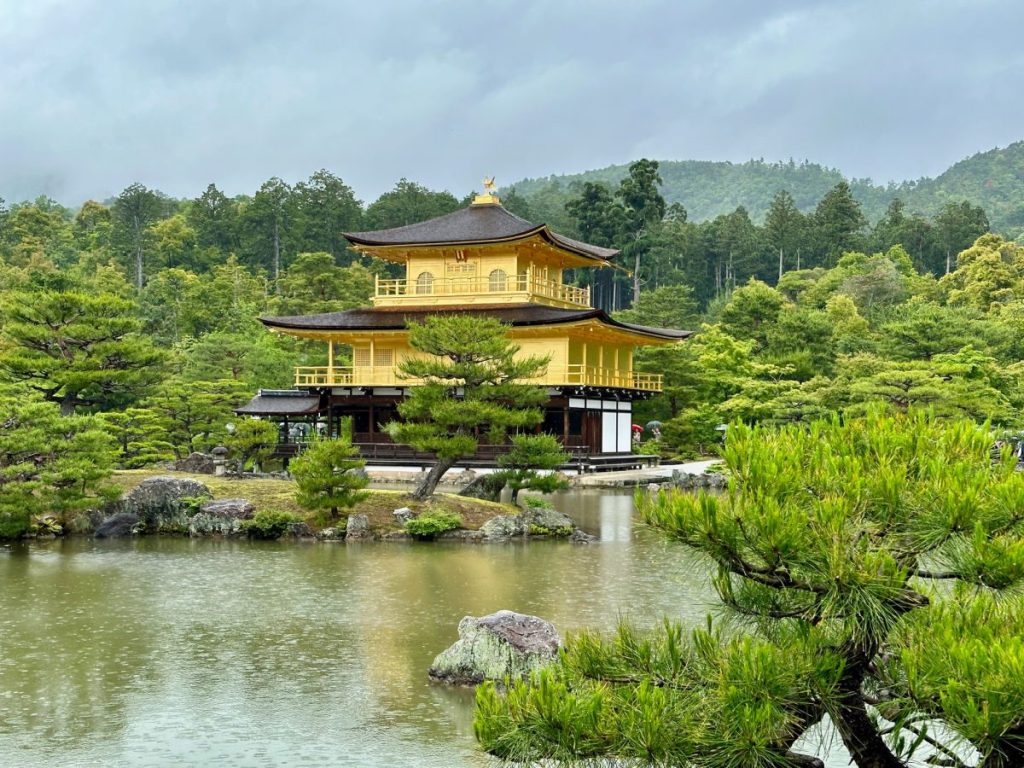
On day four in Kyoto, it is time to explore the Western side of the city. The Kinkaku-ji Temple, also known as the Golden Pavilion, is one of the most iconic and popular tourist attractions in Japan. The temple’s shimmering golden exterior has captivated visitors for centuries and you will often find pictures of it on guidebooks and other tourism materials.
From the Kinkaku-ji Temple, it is a short bus ride to the Ryoan-ji Temple. The Ryoan-ji Temple is most famous for its zen rock garden, which is said to be created at the end of the Muromachi Period around 1500 by a highly respected Zen monk, Tokyo Zenketsu. The garden measures only 25 meters from east to west and 10 meters from south to north and features 15 rocks spread out throughout the area on a bed of white gravel. It is helpful to explore these temples with an expert-led tour.
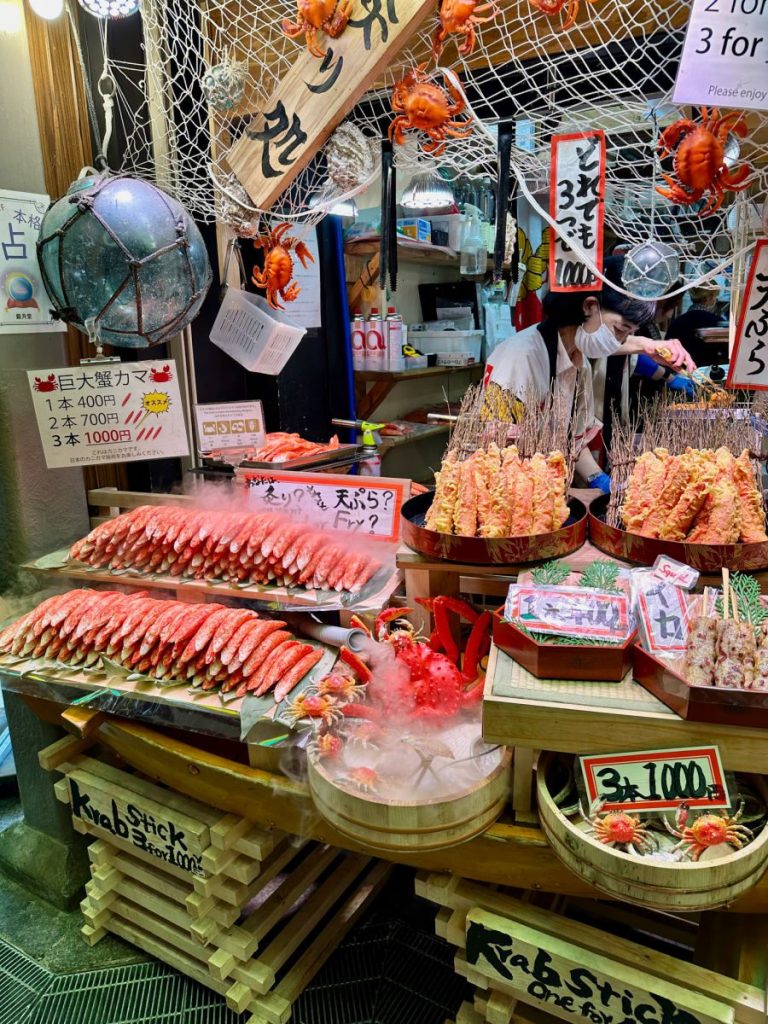
For lunch, take a walk through the Nishiki Market, known as Kyoto’s Kitchen, which specializes in all things food related and is a great place to find seasonal foods and Kyoto specialties, such as Japanese sweets, pickles, dried seafood, and sushi. In addition to these staples, there are many stalls offering prepared food specialties that you can eat on the spot.
For dinner, you will want to explore Kyoto’s famous Pontocho Alley. This narrow and atmospheric pedestrian street runs parallel to the Kamogawa River and is renowned for its traditional teahouses, restaurants, and bars with a long history dating back to the 16th century.
Day 10: Arashiyama Ward
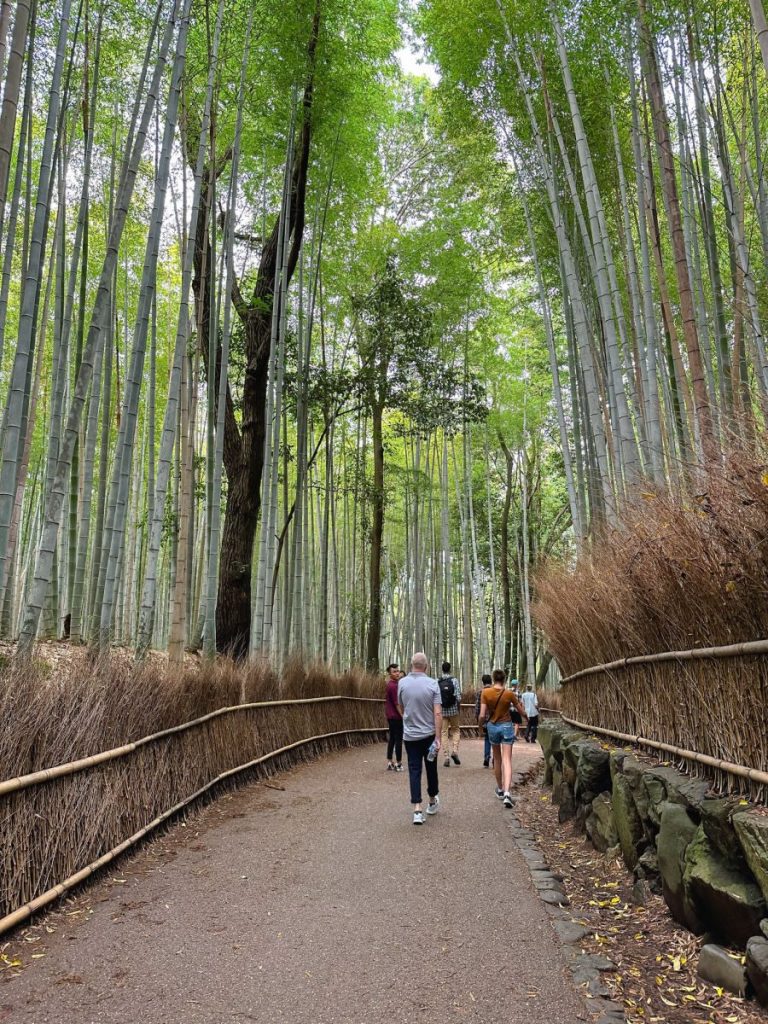
The Arashiyama ward is located on the northern outskirts of Kyoto. This area is most famous for its beautiful bamboo forest, which gets absolutely swarmed with tourists. While the conventional wisdom is to get there early (before 8:00 am), but we went in the mid-afternoon and didn’t have to fight any large crowds and there was plenty of space to get some photos without a million other people around.
You can also walk through town and across the Togetsukyo Bridge to the Arashiyama Monkey Park to see the Japanese Macaques, also known as snow monkeys. Be prepared for a steep, 20 to 30-minute climb up Mt. Arashiyama, where you can then observe and interact with the monkeys in their natural habitat. You can pay to feed the monkeys from inside a building (with the monkeys reaching through bars from the outside), or just spend some time observing them and taking in the view.

From the Monkey Park, you can walk back across the river (or stop for a boat ride) and explore the cute shops and food stalls along the main street. These were surprisingly nice for such a touristy area, and there are so many delicious sweets to try including mochi, taiyaki, soft ice cream, and everything matcha.
Before you get to the turn-off for the Bamboo Grove, you will arrive at the Tenryū-ji Temple. As a UNESCO World Heritage site, Tenryuji Temple is renowned for its stunning architecture, serene gardens, and connection to Japan’s Zen Buddhist tradition. However, I think the best part of the Tenryū-ji Temple is not in the main hall, but in the Hatto Hall, which is home to the Tenryū-ji Cloud Dragon painting by Kayama Matazo. Completed in 1997, the Cloud Dragon is painted on a lacquer and clay base covering the ceiling and it is rendered in the happo-nirami style, in which it appears to look directly at you, no matter which direction you view it from. This illusion is truly fascinating!
Day 11: Day Trip to Nara
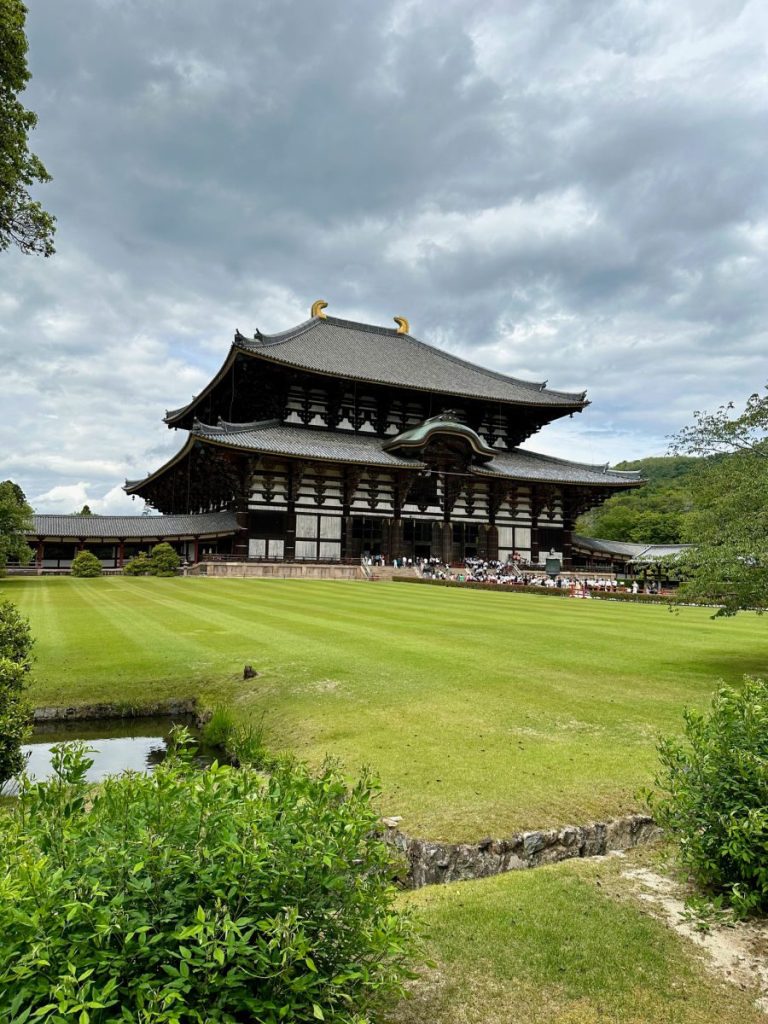
If you have the time, you may want to add a day trip to Nara before you leave Kyoto. You will need to take the JR Nara line or the faster Kintetsu line, which is also closer to the Nara attractions.
The main attractions in Nara are the Todaiji Great Buddha Temple, a UNESCO World Heritage site, and the Kasuga Shinto Shrine. You get to both by walking through the Nara Deer Park. The deer can be quite aggressive and if you purchase crackers for the deer, you will be stalked. They nipped at us, pulled on our shirts, and even chased us.
Built in 752 by Emperor Shomu, the Todai-ji Temple is an incredibly impressive structure and is reputed to be the largest wooden building in the world. It also houses one of the world’s largest bronze statues of Buddha, standing around 15 meters (49 feet) tall.

If you have more than two hours in Nara, you can also explore the Isuien Garden or stop at the small museum near the temple. With a whole day in Nara, you would have time to hike up Mount Wakakusa for a panoramic view of Nara city and its surrounding landscape.
Osaka: Modern Entertainment and Street Food
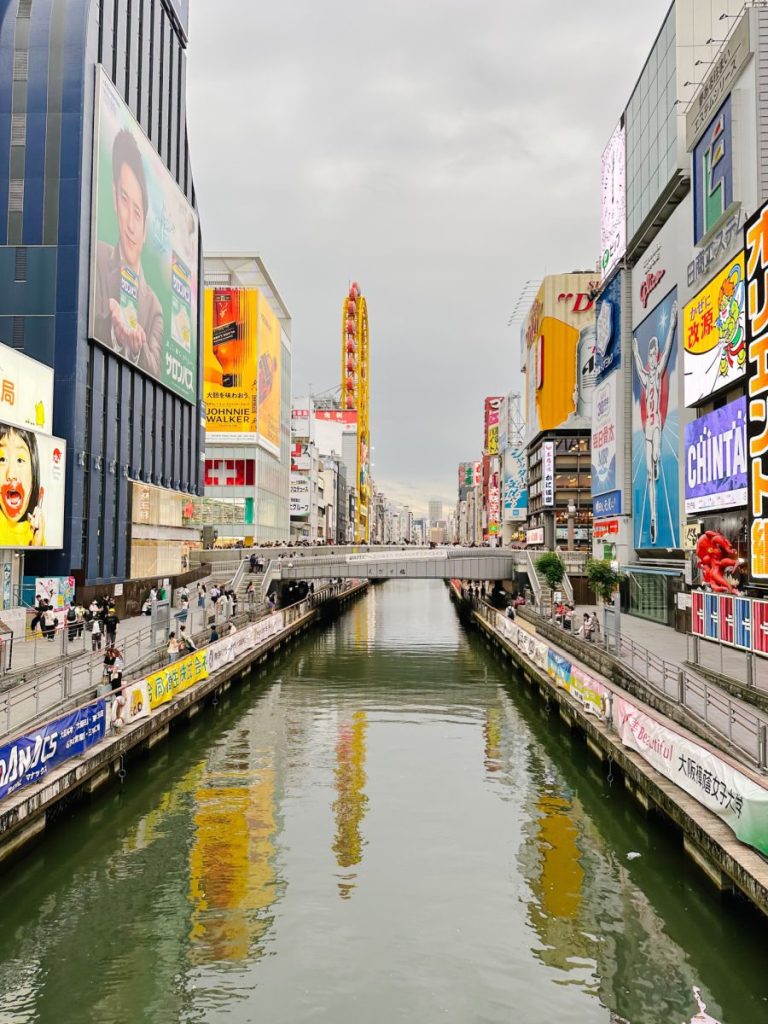
While Tokyo is a modern business hub and Kyoto retains its traditional architecture, Osaka is a whole different vibe and well worth experiencing and the best way is through the city’s rich street food culture. It is less formal than Tokyo and more focused on personality and food.
Where to Stay in Osaka
- Intercontinental Osaka: With easy access to the train station and many metro lines, we loved our stay at the Intercontinental and the residences were perfect for a family stay.
- Conrad Osaka: For a more “discerning luxury” feel, the Conrad offers a 360-degree “floating” view of the city from its 40th-floor lobby.
Day 12: Osaka Food Scene

A food tour of the retro Shinsekai district or the lively Dotonbori area is a must. Shinsekai was developed to mimic the cities of Paris and New York, Coney Island in particular. It is known for its retro charm and unique atmosphere. In addition to filling up on delicious foods like kushikatsu (deep-fried skewers) and takoyaki (octopus balls), you will learn so much about this area and the local culture.
Dotonbori is one of the most popular districts in Osaka, renowned for its vibrant nightlife, colorful neon signs, and delicious street food. Located along the Dotonbori Canal, the area is a hub of entertainment, shopping, and dining, with iconic landmarks like the famous Glico Running Man and the Ebisu Tower Ferris Wheel.
When it comes to food, Dotonbori is a food lover’s paradise. The streets are lined with countless eateries, food stalls, and restaurants. Takoyaki, the ubiquitous octopus balls, is a must-try snack if you didn’t get your fill in Shinsekai. Another local favorite is okonomiyaki, a savory pancake layered with ingredients like cabbage, meat, and seafood. You can also find sushi, ramen, kushikatsu (deep-fried skewers), along with many, many sweets.
Day 13: Day Trip to Hiroshima and Miyajima

Osaka is under two hours from Hiroshima by Shinkansen and a visit to Hiroshima or Hiroshima and the neighboring island of Miyajima makes for a great day trip and a good way to end your trip to Japan. In Hiroshima, you should visit the A-Bomb Dome, also known as the Hiroshima Peace Memorial. It is the remnants of the Industrial Promotion Hall, which is one of the few buildings left standing near the epicenter of the atomic bomb explosion. It has been preserved in its ruined state, with its skeletal framework and crumbling walls, to honor the memory of the lives lost and to convey the horrors of the atomic bombing.
In the Peace Memorial Park, you can also visit the Children’s Peace Monument. This monument is dedicated to the children who lost their lives due to the bombing and the long-lasting effects of radiation. It features a statue of Sadako Sasaki, a young girl who became a symbol of peace through her story of folding 1,000 origami cranes.
In addition, walk past the Peace Memorial Cenotaph, which holds the names of all the known victims of the atomic bomb, and the eternal flame, which they vow to keep lit until nuclear weapons are eradicated.
Your final stop in Hiroshima should be a visit to the Peace Memorial Museum, which provides a comprehensive account of the atomic bomb attack and its devastating consequences. It exhibits artifacts, photographs, and personal stories, allowing you to gain a deeper understanding of the human impact of the bombing. It dealt not just with the attack that day, but the long-term impacts on the people and the city.
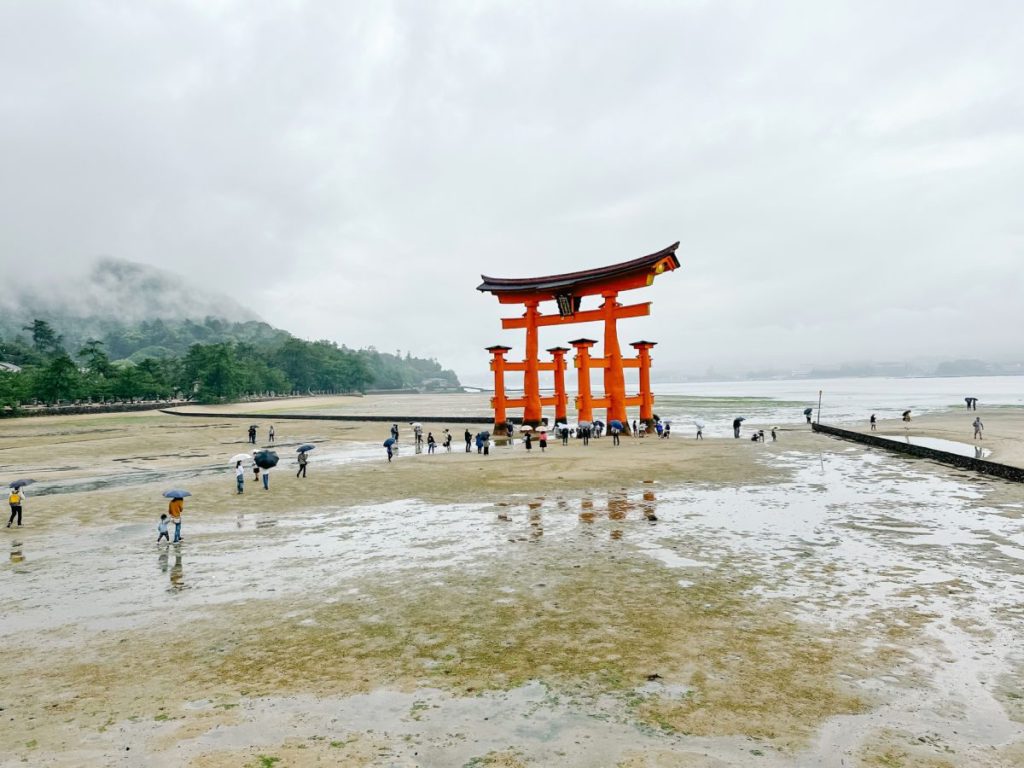
It was heavy and a lot to take in, but an important part of history is to respect those killed and remind ourselves to not let this happen again. After a dark morning, it was a very pleasant change to spend the afternoon on Miyajima. Miyajima is famous for its iconic floating torii gate of Itsukushima Shrine. The town streets, beautiful beach, mysterious mountains, and classic Japanese architecture make Miyajima feel quite magical.
To get to the island, you can either take a short ferry to the island from a ferry terminal, which is about 30 minutes from the train station by local train, or take a boat tour from the Peace Memorial Park directly to Miyajima, which takes about 45 minutes.
The main attraction is the Itsukushima Shrine, a UNESCO World Heritage Site. The shrine’s iconic red torii gate appears to be floating on the water during high tide, creating a mesmerizing sight. During low tide, you can go out on the beach and walk through the gate. The gate was put in the water because visitors from Hiroshima would visit the shrine by boat, and enter through the gate.
Another popular attraction is Momijidani Park, which is a scenic spot known for its beautiful maple trees, which are especially lovely during the autumn season. You will want to leave time to walk along Omotesando Street, where you will find street food stalls and shops selling traditional crafts, souvenirs, and Miyajima’s famous wooden rice scoops known as “mokugyo” (we bought one to bring home.)
Here you can try Hiroshima-style okonomiyaki and Hiroshima fresh oysters, straight from the oyster farms that you pass by on the ferry. These are fairly large oysters, which are grilled and served up either plain or Rockefeller style. If you are an oyster lover, don’t leave the island without giving them a try.
Day 14: Farewell to Japan
It is best if you can fly home from Osaka, otherwise you may want to add a night in Tokyo before you fly out of Tokyo.
Ready to Experience Japan With Ease?
Planning a trip to Japan is an exercise in managing a thousand small details. My goal is to ensure those details are invisible to you, leaving you only with the magic of the destination.
If you are ready to stop researching and start anticipating, I invite you to reach out. Together, we can take this itinerary and tailor it to your specific pace, interests, and style.

Tamara Gruber is an award-winning travel writer and the founder of Your Time to Fly. With more than a decade of professional writing experience across two travel publications and hundreds of destination guides, she specializes in crafting practical, detailed itineraries that help travelers explore the world with confidence. Her work reflects years of on-the-ground research across the globe. Tamara is a member of SATW and serves on the Board of Directors of the Family Travel Association.
