
After 13 years in the travel industry, I thought I knew what a safari drive would be like from photos and industry trainings, but I was wrong. Some things you can only learn by experiencing them directly.
My recent trip to Lion Sands Ivory Lodge in Sabi Sand and Monwana Game Lodge in Thornybush Reserve exceeded pretty much every expectation I had, but also surprised me in ways no photo could capture.
If you’re planning your first South Africa safari, this guide is for you. I will walk you through what a typical day actually looks like, along with the game drives, the wildlife viewing experience, the costs, the lodging, and the small logistics nobody mentions until you’re faced with them. Think of this as the realistic version, the one I wish I’d read before I went.
South Africa Isn’t the Safari You’ve Seen in Documentaries
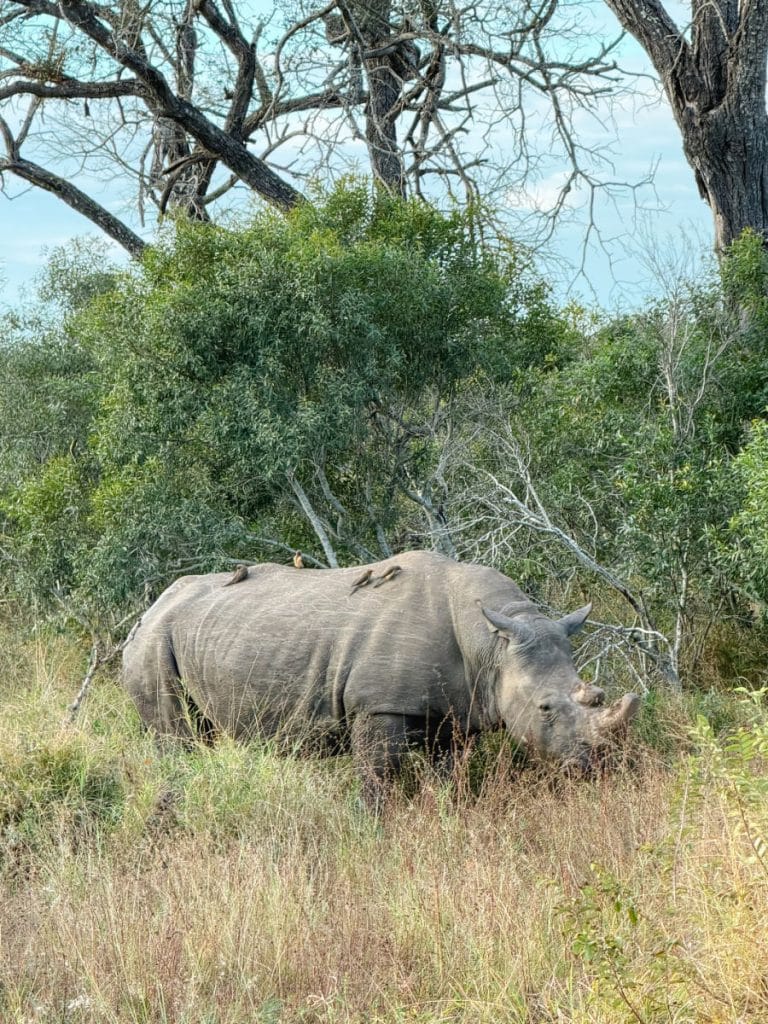
Before I even get into the nitty gritty of the South African safari experience, I want to set the right expectation. If your mental picture of “safari” comes from wildlife documentaries, there’s a good chance you’re picturing East Africa — the wide-open Serengeti plains, golden grasslands stretching to the horizon, and the Great Migration, with wildebeest streaming across a riverbank in the thousands. That’s a real and spectacular thing to see, but it’s not what a South Africa safari looks like, and it’s worth resetting that expectation before you go. I point this out because the landscape differences surprised me.
South Africa’s Big Five reserves, including Kruger and the private reserves like Sabi Sand and Thornybush, sit in what’s called bushveld — thick, scrubby brush and woodland rather than open plains. Visibility is often shorter, which is part of why trackers and off-road driving matter so much. The trees look different too: instead of the iconic flat-topped acacias you picture from Kenya and Tanzania, expect a lot of dense thornbush and, especially in the dry season, stark, leafless trees that can look almost dead against the winter bush.
None of this makes South Africa’s safari experience lesser — it’s just different. You’re often closer to animals moving through denser cover rather than watching them from a distance across open grassland, and the Big Five reserves offer excellent, reliable game viewing without the seasonal migration that draws crowds elsewhere. If you came into it expecting Serengeti-style plains, though, it helps to know ahead of time that you’re getting a different kind of bush experience.
Safari Logistics: Getting There
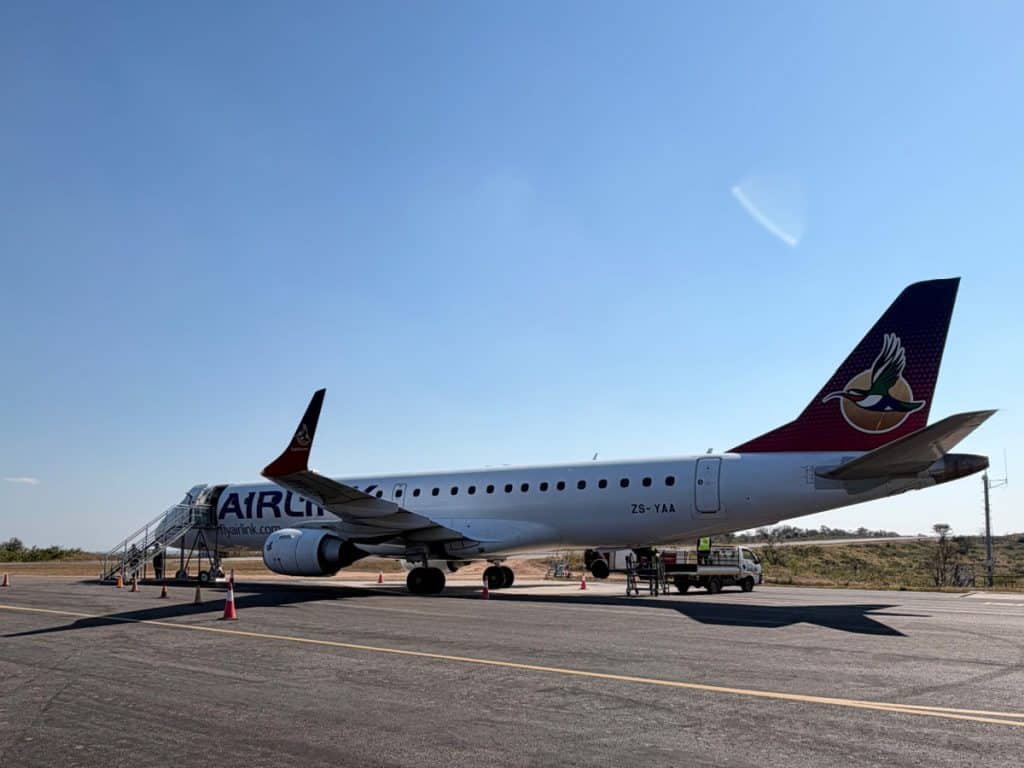
International flights land you in either Johannesburg (JNB) or Cape Town (CPT), and from there, how you reach your lodge depends entirely on which one you’ve booked.
The Small Plane Myth
A lot of first-timers assume every safari ends with a puddle-jumper flight and a strict 15kg soft-duffel-only baggage limit. That’s true for many lodges — but not all of them, and it’s worth checking before you pack.
Lion Sands, for example, flies into Skukuza Airport, which sits inside Kruger National Park itself and is served by Airlink’s scheduled commercial jets from both Johannesburg and Cape Town. That means a regular checked-baggage allowance, not a small duffel, and no separate light-aircraft charter to book or budget for. If avoiding the small-plane routine matters to you, ask your lodge or travel advisor which airport they use before you finalize your packing list.
Bush Plane and Overland Transfers
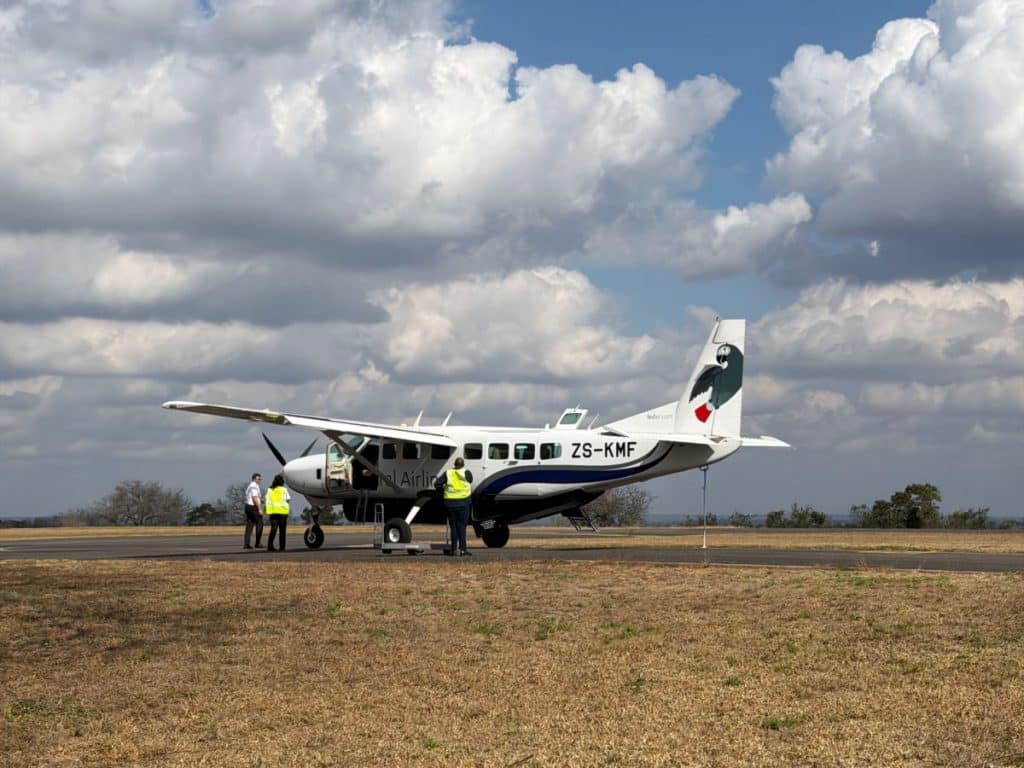
If your lodge does use a smaller airstrip, expect:
- A connecting light-aircraft flight from Johannesburg (usually Nelspruit/Mpumalanga or a similar regional hub)
- A strict baggage weight limit, often 15–20kg total in a soft-sided bag
- A road transfer of anywhere from 30 minutes to a couple of hours from the airstrip to camp, often with a good chance of spotting wildlife along the way
Timing Your Arrival
Most lodges build your first game drive into arrival day — often an afternoon/evening drive if you land by early afternoon. Landing later usually means settling in and starting fresh the next morning. Worth confirming with your lodge so you don’t book a same-day international connection that leaves no buffer.
A Typical Day at a Safari Camp
Safari days run on a rhythm built around the animals’ schedule — which means early mornings and a structure that repeats (but is still different every day) for the length of your stay. This is what you can expect from a typical day:
Early Morning Wake-Up Call
Expect a wake up call somewhere between 5:30 and 6:00 AM, timed to sunrise and shifting slightly by season. Coffee, tea, and a light snack are usually waiting before you head out — a full breakfast comes later.
Pre-Breakfast Game Drive
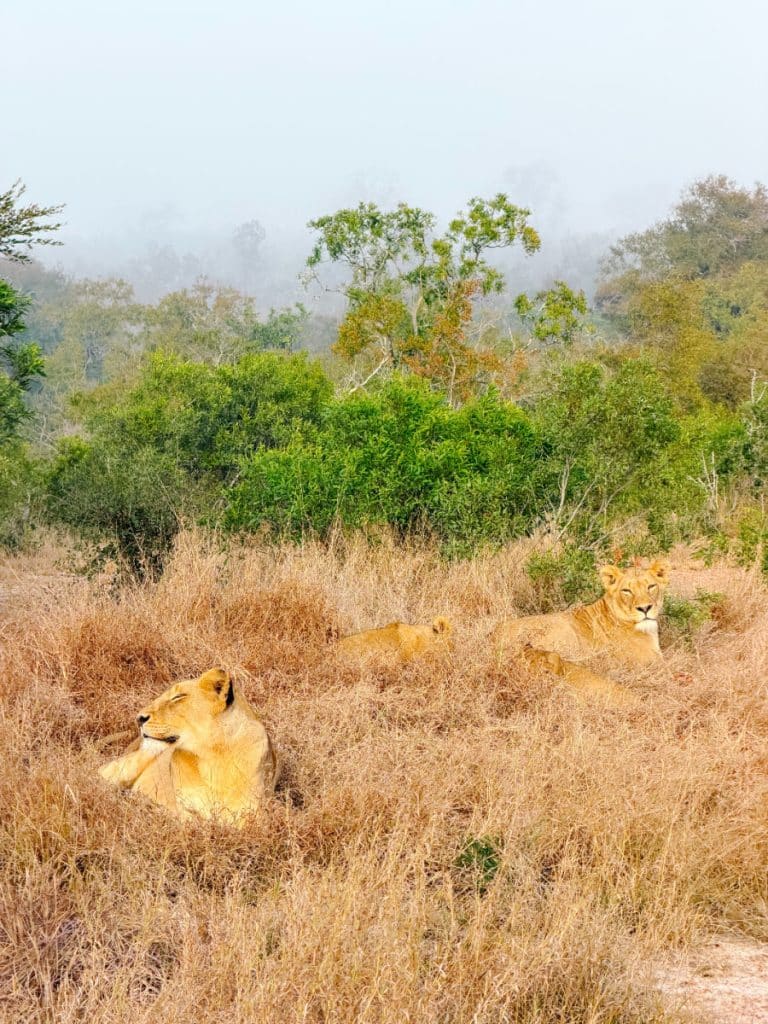
Your first drive of the day runs roughly 2–3 hours and is often the most productive for sightings, since many animals are most active in the cool early morning hours before the heat sets in. Since it can be chilly, you will want to dress in layers. Many lodges also provide blankets and “bush babies” (covered hot water bottles) to keep you warm. But that doesn’t mean you should skip the hat or sunscreen because it warms up fast once the sun is out.
If you are an early morning coffee drinker, be sure to hit the WC again before you board your vehicle because stopping for a bush toilet break can be challenging and for safety reasons, you will probably need to take your comfort stop directly behind the vehicle (on the road — hoping no one else drives up and no animals meander by.)
Breakfast
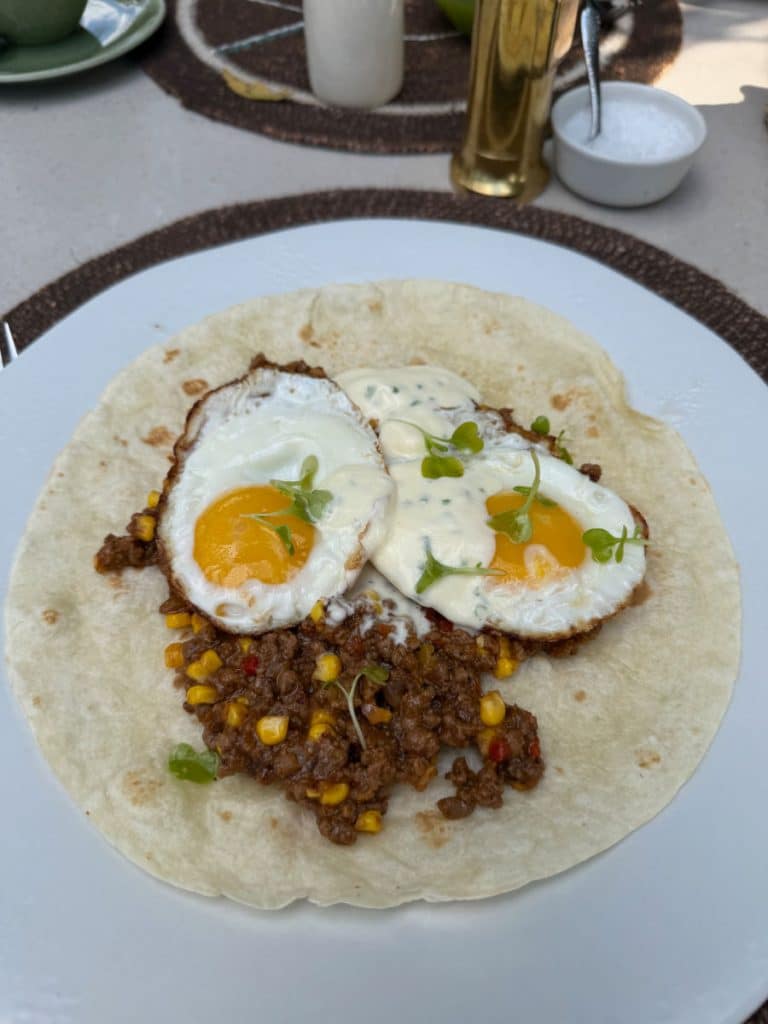
Back at camp, breakfast is typically a full spread of hot or cold options either buffet style or a la carte (or both). Even if you don’t typically eat breakfast, you will probably be hungry by this time but don’t overdo it if you plan on also having lunch.
Midday Downtime
The middle of the day is yours. Most lodges have a pool, and this is prime time for resting, journaling, a spa treatment if the lodge offers one, or simply sitting with a book while you wait out the heat.
Lunch
A more relaxed, often multi-course meal, is usually served in the early afternoon. To be honest, I ended up skipping lunch once or twice because I just wasn’t hungry enough.
Afternoon Downtime
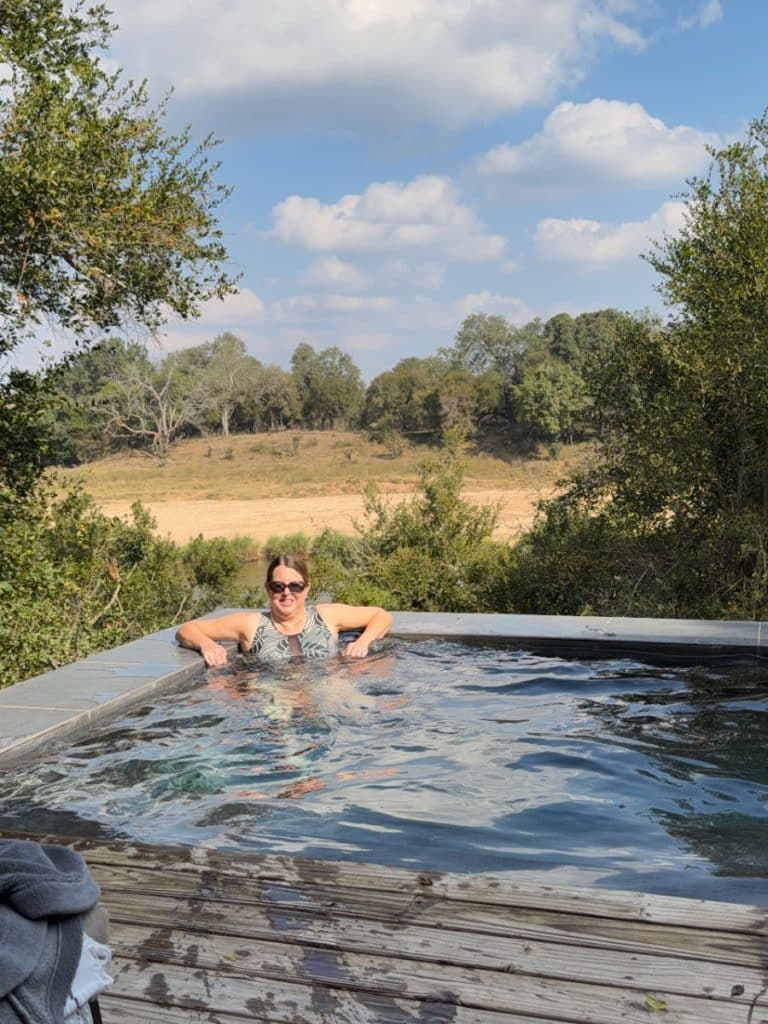
A shorter window than the midday break, but still time to rest or get ready before the next drive.
Afternoon Tea
Around mid-afternoon, camps typically lay out both sweet and savory snacks, along with cocktails or soft drinks — a quick refuel before heading back out.
Afternoon Game Drive
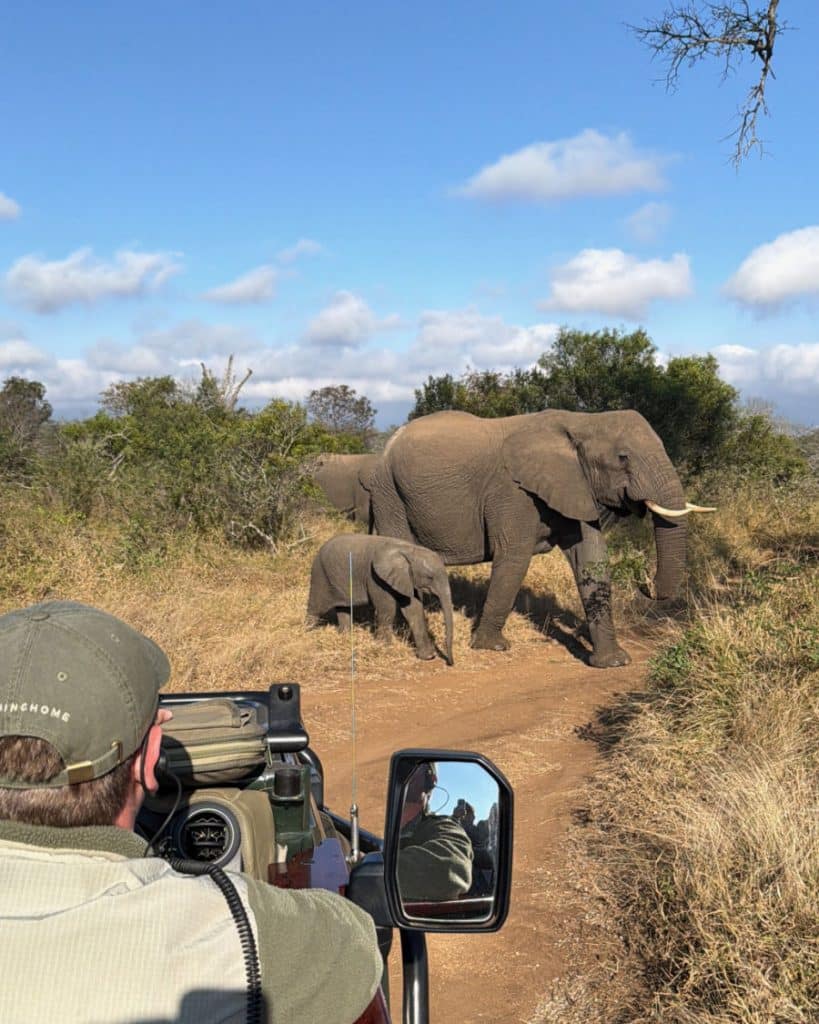
The second drive usually departs around 3:00–3:30 PM and runs 3–4 hours, carrying you into evening. Again, as the sun sets the temperatures cool off so being prepared with layers is important.
Sundowners
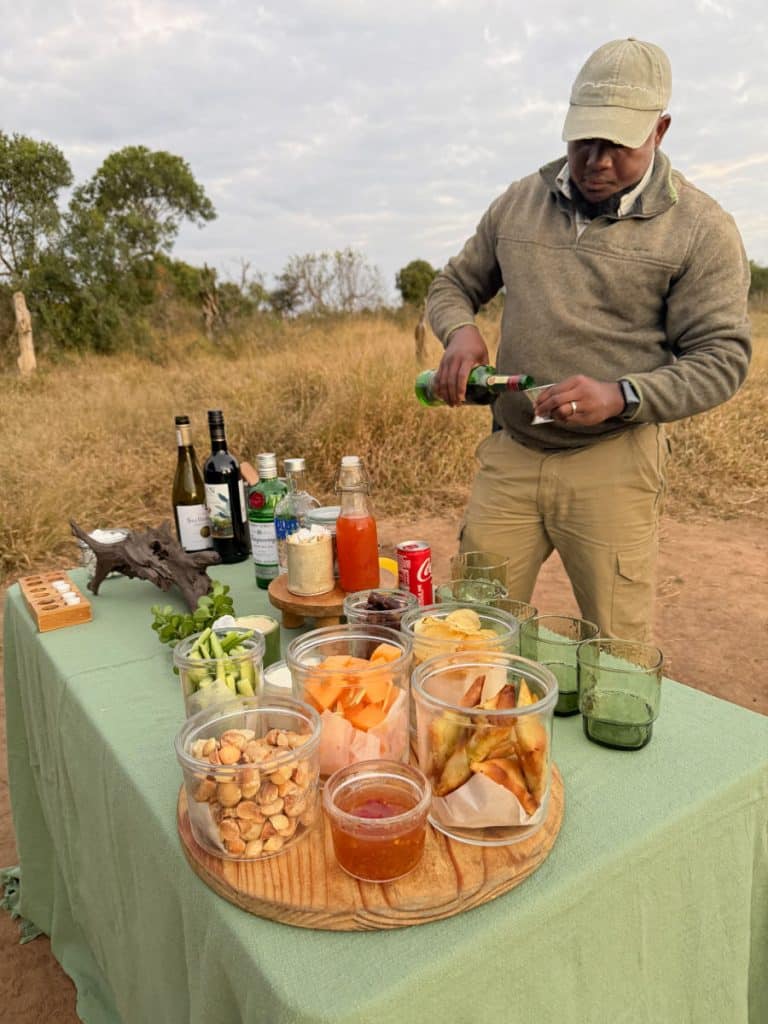
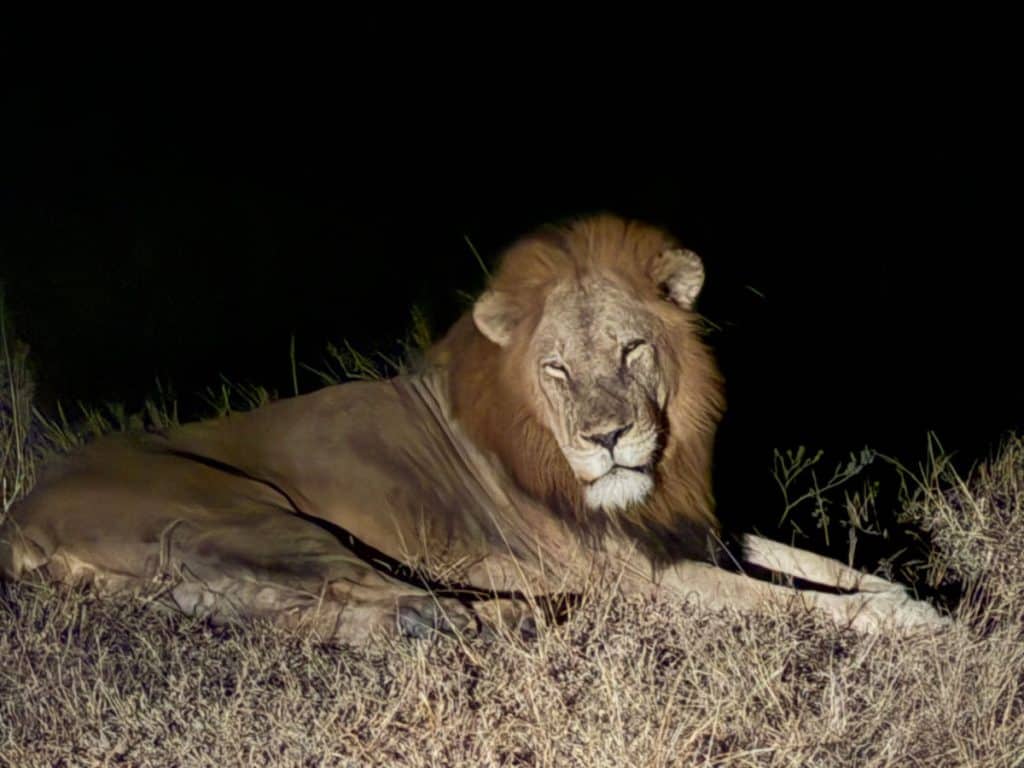
As the sun starts to set, your guide will typically pull over in a scenic spot for sundowners — drinks and snacks while you watch the sky change. If you’re staying at a lodge on a private concession, the drive back to camp often continues after dark, which comes with its own perks: nocturnal animals are more active, and spotlights reveal wildlife you’d never see during the day.
Dinner
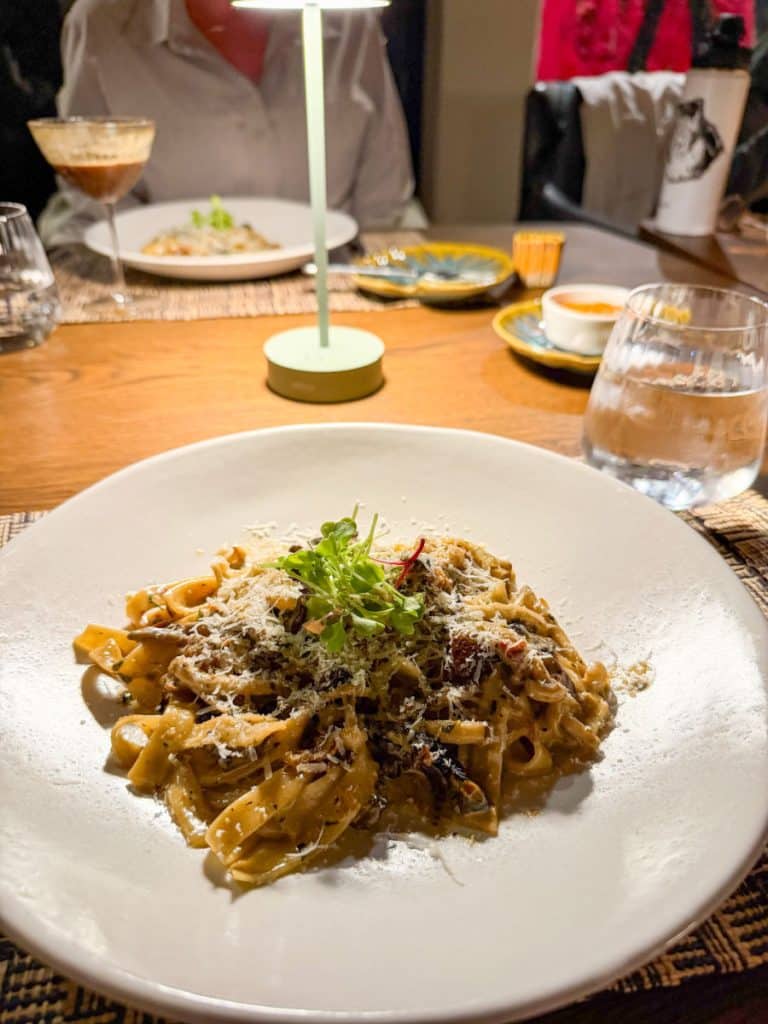
Depending on the night, dinner is either a relaxed à la carte menu or a special event — a traditional boma dinner with a barbecue and cultural performance, for example. Most lodges build in enough time between the drive and dinner for a quick shower and change if you want one.
Early to Bed
With a 5:30 AM wake-up on the horizon, most guests turn in early, although the bar is typically open and some may enjoy cocktails by the fire pit.
What to Expect on a Game Drive
Before you even get in the vehicle, it’s worth understanding what kind of reserve you’re in, because it shapes almost everything about the drive.
Private Concessions vs. Public Reserves
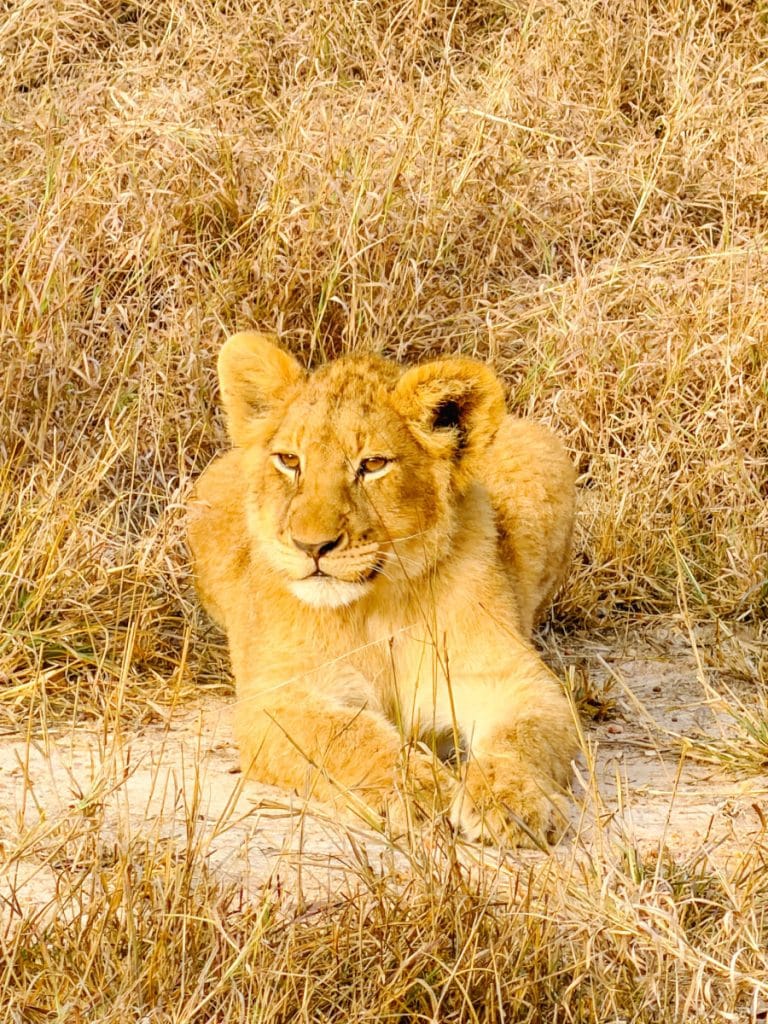
A public reserve — like the main areas of Kruger National Park — is open to any visitor, including self-drive vehicles. Game drives here share the roads with other tourists, and vehicles are generally required to stay on marked roads, in covered vehicles, and not stay out after dark. You can often encounter sightings surrounded by vehicles.
A private concession is a privately managed section of land, often bordering or adjoining a public park, leased or owned by a limited number of lodges. Because access is restricted to guests of those specific lodges, private concessions have far fewer vehicles out at any given time, and rangers can typically drive off-road to get closer to wildlife — something that’s not allowed in most public areas.
Sabi Sand, where Lion Sands sits, and Thornybush, where Monwana sits, are both private reserves open to the Greater Kruger area, which meant off-road tracking and a much quieter bush experience than I expected, but without fences controlling animal patterns.
The Vehicle Experience
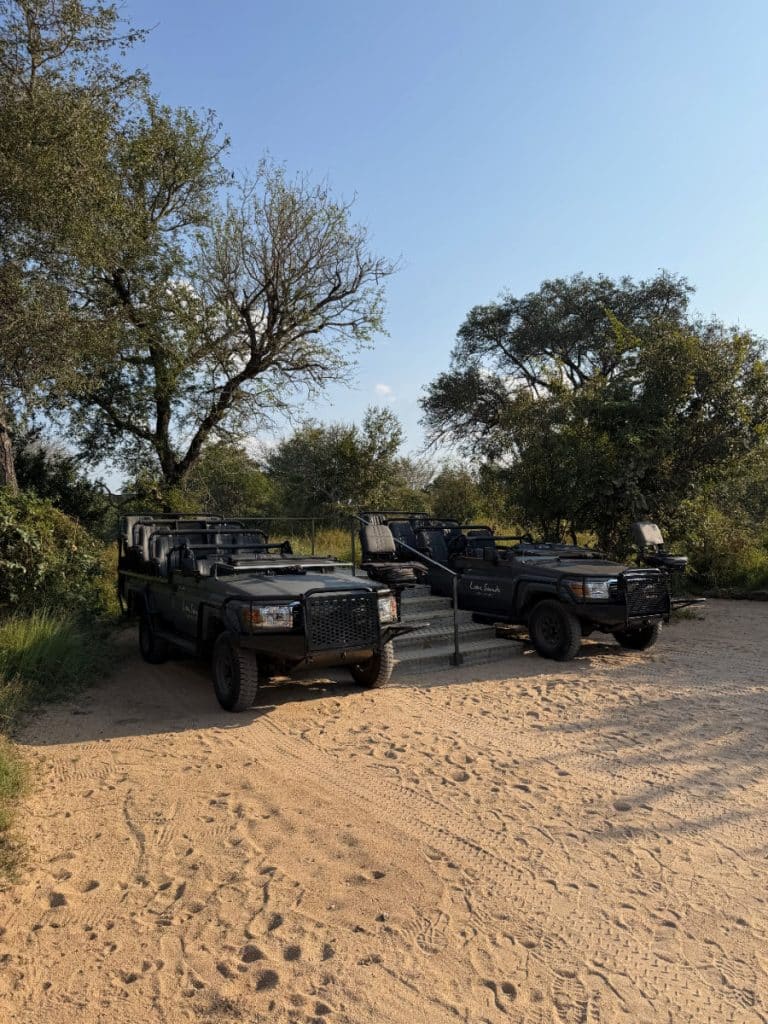
Vehicles vary quite a bit depending on where you stay. At Lion Sands and Monwana, the open-air safari vehicle came stocked with more comforts than I anticipated: stadium-style tiered seating so everyone has a clear view, open air top for unobstructed views, cushioned seats, blankets for early morning cold, “bush babies” (hot water bottles), binoculars, water bottles, and even USB charging ports.
Not every lodge offers all of this, so if creature comforts matter to you, it’s worth asking what’s included before you book.
Private vs. shared vehicles: Most lodges include game drives in shared vehicles as part of your stay, typically with a handful of other guests. If you’d rather have full control over pacing, sightings priorities, and photography angles, many lodges also offer a private vehicle for an additional cost — worth considering if you’re a serious photographer or traveling with a small group who wants flexibility.
What to Wear and Bring
Dust is a real factor, especially on drier tracks — a buff or light scarf you can pull up over your nose and mouth makes a noticeable difference. Temperatures also swing more than you’d expect: mornings can be genuinely cold even in a hot climate, and it warms up fast once the sun’s up. Layering is the move — something you can peel off piece by piece as the drive goes on.
I’d also recommend bringing a small bag with everything you need for a few hours away from camp: sunscreen, lip balm, moisturizer, sanitizer, tissues, a hat, your phone or camera, and any other personal items, since you won’t be heading back to your room mid-drive.
The Guide and Tracker Duo
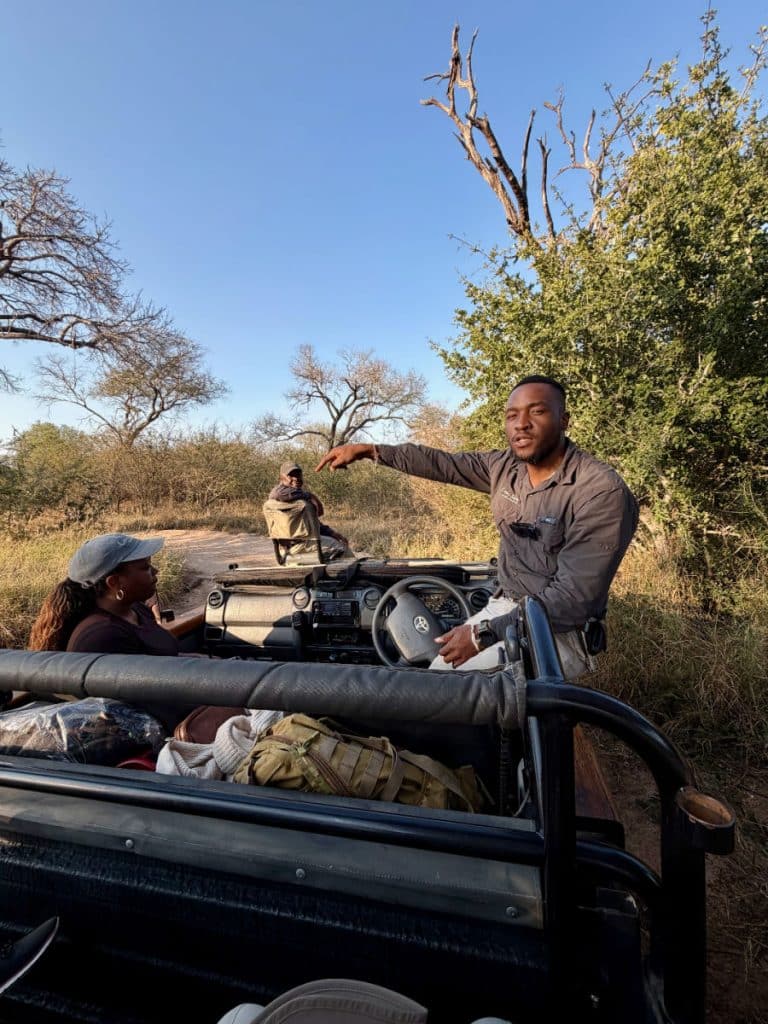
Before my safari experience, I assumed a game drive was mostly just driving around and seeing what turned up. It’s not — there’s real strategy behind it, run by two people working together: your guide (driving, narrating, making calls) and a tracker (typically seated at the front of the vehicle, reading the ground).
One thing that makes this work especially well: at most lodges, the same guide and tracker stay with you for your entire visit, not just a single drive. That continuity matters more than it sounds like it would. By your second or third drive, they already know what you’ve seen, what’s still on your list, and even how you and your group react to different sightings — whether you’re the type who wants to sit with a pride of lions for an hour or the type who wants to keep moving to find the next thing. It starts to feel less like a scheduled activity and more like exploring with people who are genuinely invested in your experience.
Here’s what that strategy actually looks like:
They start with what you came to see. If you mention you’re hoping for lions, or you’ve never seen a leopard, guides will genuinely prioritize that during your stay, adjusting the day’s plan around it where they can.
They track animal patterns, not just animal locations. Guides know which pride tends to hold which section of the reserve, when certain herds typically move toward water, and how behavior shifts with the time of day or season. A lot of the “we happened to find them” moments are really the result of guides predicting where animals are likely to be.
The tracker reads the ground. Trackers are remarkably skilled at reading fresh prints, dung, and disturbed brush to figure out not just what passed through, but how recently and in which direction. More than once, ours got out of the vehicle — with a rifle — to investigate signs on foot before we drove to where they’d found something.
Guides stay in radio contact with each other. Guides across the reserve share sightings over radio, so if another vehicle finds something significant, your guide often knows within minutes and can decide whether it’s worth heading over.
Understanding this made the whole experience land differently for me — it’s not luck dressed up as adventure, it’s genuine skill and strategy, which made the moments we did find something feel even more earned.
What the Drive Actually Feels Like
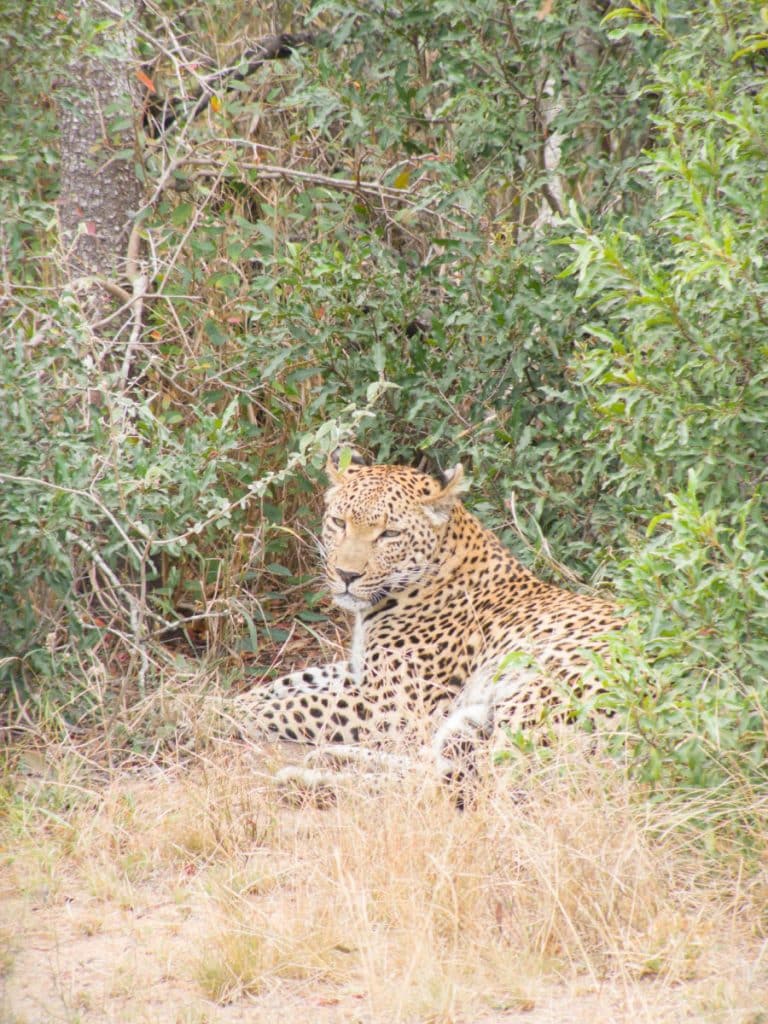
Even with a plan and a specific animal in mind, a game drive rarely moves in a straight line. You might be headed toward a reported leopard sighting and pass a herd of elephants crossing the road, or a dazzle of zebra browsing just off the track — and the vehicle simply stops. There’s no rush to move on. You watch for as long as the moment holds, and it’s genuinely part of the experience, not a detour from it.
Your guide will often check in with a simple, “Is everyone happy?” — bush shorthand for “are we ready to move on, or do you want more time here?” It’s a small thing, but it captures how these drives work: unhurried, and shaped by what the group actually wants to see rather than a fixed itinerary.
That unpredictability cuts both ways, too. Some drives feel like you’re seeing animals constantly — herds, birds, predators, more herds, all in a single outing. Others are quieter, with just a handful of standout moments. Both are normal, and honestly, that uncertainty is part of what makes it exciting. You genuinely don’t know what the next bend in the road holds.
Will You See the Big Five? Setting Realistic Wildlife Expectations
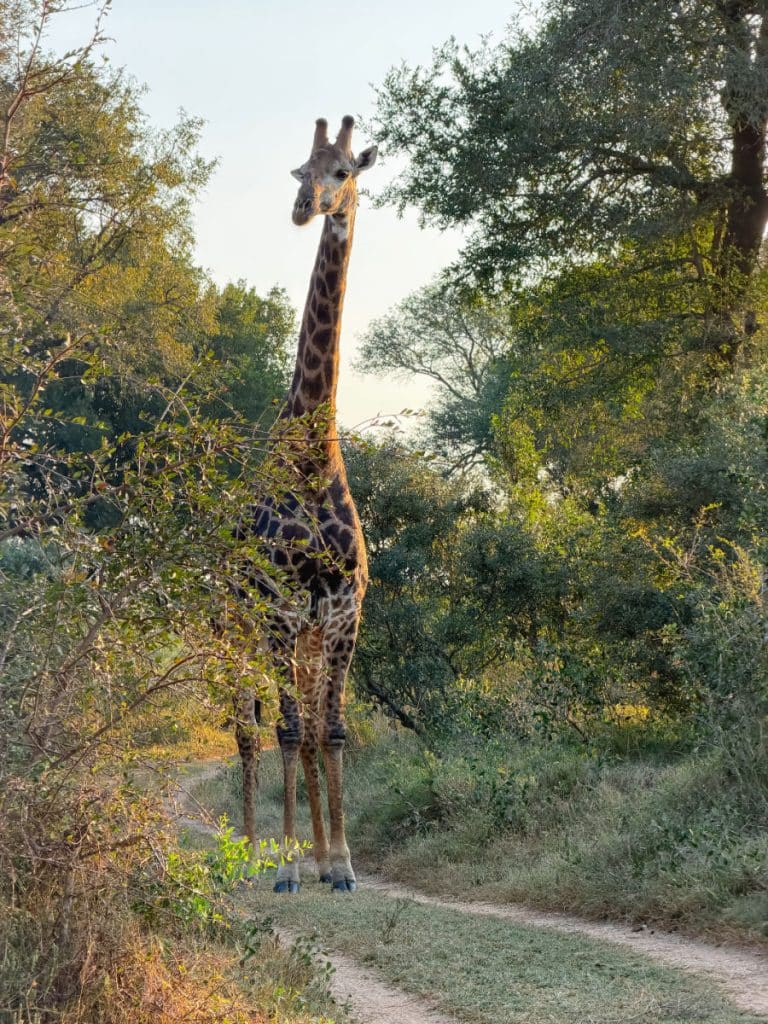
The “Big Five” — lion, leopard, elephant, rhino, and buffalo — gets thrown around so often in safari marketing that it’s easy to assume seeing all five is basically guaranteed. It’s not, and any guide or lodge worth trusting will tell you that upfront.
Where the Term Actually Comes From
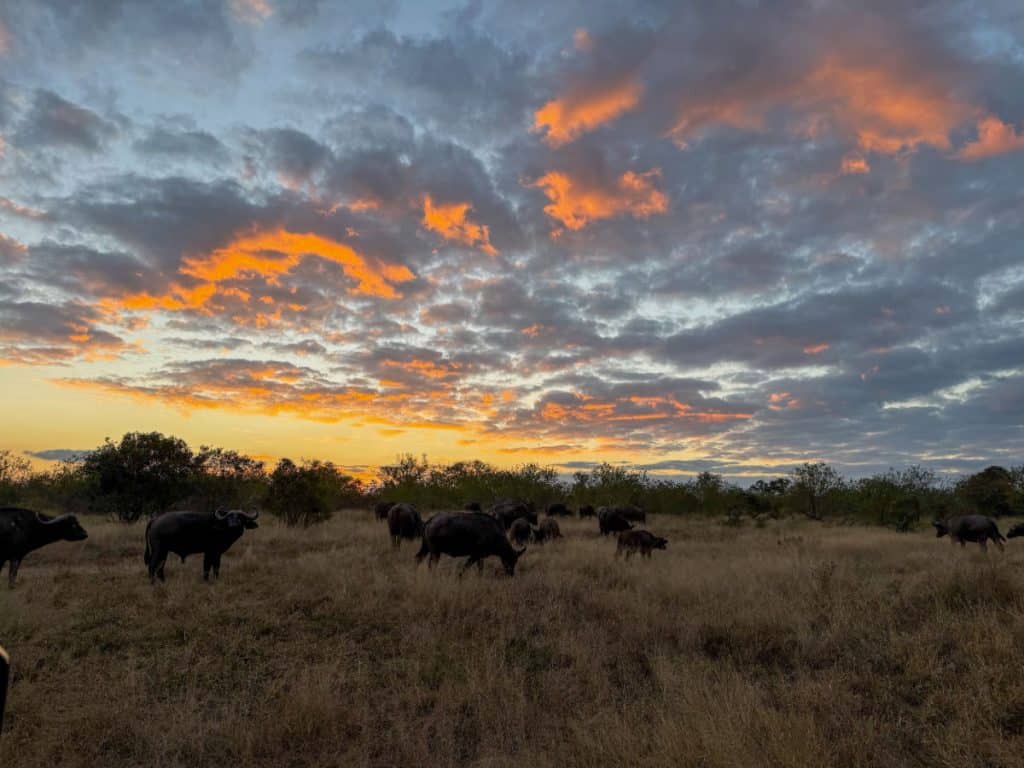
The Big Five wasn’t originally a bucket list — it was a hunting term, referring to the five animals considered most dangerous to hunt on foot. Safari tourism adopted the phrase, but the animals themselves have no special connection to each other beyond that history. A pangolin sighting or a pack of wild dogs can be just as thrilling (and often rarer) than checking a box.
What’s Actually Realistic
Just keep in mind that since the Big 5 animals aren’t migratory, and they all live in the Greater Kruger area, your chance of seeing the Big Five on a South African safari is high, at least if you stay long enough. A few honest factors that affect your odds:
Reserve type matters. Private concessions, where guides can go off-road and communicate with other rangers by radio, generally offer better odds of a close sighting than public reserves where vehicles are restricted to roads.
Length of stay matters. A single overnight gives you two drives, maybe three. Three or four nights gives your guides far more chances to track specific animals and adjust the plan around what you haven’t seen yet.
Some animals are simply rarer than others. Rhino sightings, in particular, have become less predictable at many reserves due to anti-poaching security measures that limit how openly their locations are tracked and shared, even among guides. And, once you do find the rhino, it may have been dehorned as some preserves are using this method to dissuade poachers and keep the animals alive instead of being killed for the black-market value of the horn.
Season and behavior play a role. Dry season tends to concentrate animals around water sources, which can mean easier, more predictable sightings. It can also be easier to spot animals when the leaves are thinner and the grass lower. Green season spreads animals out more, but comes with lush scenery and newborn wildlife.
If You Don’t See All Five
It happens, even on great trips, and it doesn’t mean the safari failed. Most experienced safari-goers will tell you the in-between moments — a lion roaring, a leopard hauling a kill up a tree, an elephant herd crossing right in front of the vehicle — often end up being the most memorable part of the trip, Big Five or not. When I first arrived at Lion Sands, our guide asked me what I wanted to see and I said “anything”. For first-timer safari goers, it is even exciting to see impala, which are about as ubiquitous as the squirrels in my backyard.
What a South Africa Safari Costs
Safari pricing varies more than most people expect, and understanding the tiers helps set realistic expectations before you start browsing lodges.
Budget Safaris
Typically self-drive trips through public parks like Kruger, or guided group tours in shared vehicles with basic rest camp accommodation. Expect roughly $150–$300 per person, per night. This tier gets you real Big Five country and genuinely excellent wildlife viewing. You’re paying less for comfort and privacy, not because you won’t see animals.
Mid-Range Lodges
There are any number of comfortable, all-inclusive lodges with guided drives, quality meals, and solid accommodations of a four-star hotel, without the extreme exclusivity of the luxury tier. Expect roughly $500-1000 per person, per night, all-inclusive of meals, drinks, and twice-daily game drives.
Luxury Lodges
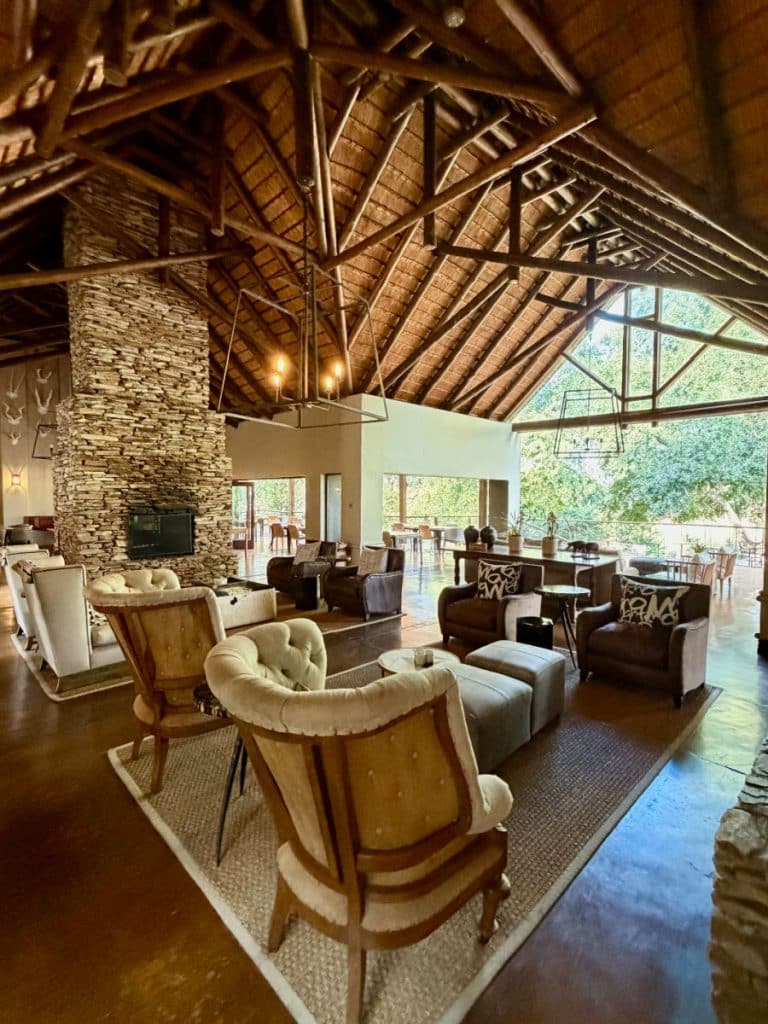
Private reserves and concessions like Sabi Sand and Thornybush, where I stayed, fall into this tier — think off-road tracking, elevated design, and highly personalized service. Expect roughly $1200–$3,000+ per person, per night, with the very top end (private villas, fully exclusive-use camps) running higher still.
A quick note on “tented”: Don’t assume tented camps are the budget option. The word describes the structure (canvas walls, sometimes a solid roof, often on a raised deck) rather than the price point. Some of the most exclusive lodges in South Africa are tented, complete with private plunge pools and full butler service — while tented camps also exist at the budget end with simpler, shared facilities. What actually drives the price is exclusivity, service level, and location, not whether the walls are canvas or brick.
What’s Typically Included
Across nearly all tiers, your nightly rate usually covers:
- Accommodation
- All meals
- Twice-daily game drives (morning and afternoon/evening)
- Park or conservation fees
- Tea, coffee, and often house wine, beer, and soft drinks
What’s Usually Extra
- International and domestic flights
- Premium spirits or wine (often included at higher-end lodges)
- Spa treatments (sometimes included as a Virtuoso amenity if I book for you)
- Laundry (though some higher-end lodges include this)
- Gratuities/tipping
- Private vehicle upgrade, if you want one instead of sharing
Tipping Guidelines
Tipping is expected and makes up a meaningful part of the income for guides, trackers, and lodge staff, most of whom you won’t see on a general “service charge” line anywhere. Most lodges accept cash only, so plan to bring rand with you because there aren’t any ATMs in the bush.
As a general guideline, based on a 2-night stay:
| Role | Recommended Tip (2 nights) |
|---|---|
| Field Guide | ZAR 350 |
| Tracker | ZAR 250 |
| Butler | ZAR 250 |
| General Staff | ZAR 300 |
These are typically given in cash on your last morning — guide and tracker tips handed directly to them, and general staff tips left in the communal tip box at reception or with the lodge manager. Amounts can vary by lodge tier and length of stay, so treat this as a solid starting point rather than a fixed rule.
Safari Health and Safety Basics
Kruger and the surrounding Sabi Sand and Thornybush reserves sit in an active malaria risk region, so it’s worth planning around this before you go rather than figuring it out once you’re there. This section covers the basics, but for anything specific to your health history or trip dates, go straight to the official sources and your doctor or travel clinic rather than relying on a blog post (including this one).
Official US Government Resources
Before you do anything else, bookmark these two:
- CDC Travelers’ Health – South Africa — the most current guidance on vaccinations, malaria risk by region, and any active health notices for South Africa specifically.
- US State Department Travel Advisory – South Africa — covers safety and security conditions, entry requirements, and links to the CDC’s health guidance as well.
Both are updated far more frequently than any travel blog can keep up with.
Sign Up for STEP
Before you leave, take five minutes to enroll in the Smart Traveler Enrollment Program (STEP), run by the US State Department. It’s free, and it registers your trip with the nearest US embassy or consulate so they can reach you with safety alerts and, if needed, help locate you in an emergency. It’s a small step that’s easy to forget in the excitement of trip planning, but genuinely worth doing for any international trip, safari or otherwise.
Malaria Precautions
Most of Kruger and the greater Sabi Sand/Thornybush area is classified as high-risk for malaria, while major cities like Cape Town and Johannesburg are low risk. Guidance on exactly when precautions are needed varies by source, so this is a great example of something to confirm directly on the CDC page above, along with a conversation with your doctor or a travel clinic about prescription antimalarial medication before you go.
Beyond medication, simple bite-avoidance habits matter just as much: wear insect repellent (especially at dawn and dusk when mosquitoes are most active), cover up during game drives, and use provided mosquito nets or screened windows at your lodge.
On a personal note, since I was visiting in June (South Africa’s winter) and based on my research I felt that the risk was low, I decided to forego the antimalarial medication since I tend to have sensitivity to side effects. But, I did spray all of my clothing with Permethin before I left, used bug spray, wore layers, and slept with mosquito netting around my bed. This was my personal choice based on my understanding of risk factors — I’m not telling you to do the same.
Recommended Vaccinations
There’s no single required vaccine list for a South Africa safari specifically, but the CDC and travel health clinics commonly recommend:
- Routine vaccines being up to date (MMR, tetanus, polio, influenza)
- Hepatitis A and typhoid, both linked to food and water exposure
- Yellow fever, only if you’re arriving from or transiting through a yellow-fever risk country — it’s not required for direct travel from the US or most of Europe
Because recommendations shift and depend on your specific route and health history, this is genuinely worth a real conversation with a travel clinic or your doctor a few weeks before departure — the CDC page above is the right starting point for what to ask about.
Travel Insurance and Medical Evacuation
This is worth taking seriously, not just adding as a box to check. Safari lodges are often hours from the nearest clinic or hospital, and if a genuine emergency happens, the standard way out is an air evacuation — which is not cheap. Emergency air evacuation from a remote camp typically runs $10,000 to $50,000, and full repatriation back to your home country can add another $50,000 to $100,000 on top of that. (This is also why I recommend MedJet on top of your standard travel insurance.)
A few things worth knowing before you buy a policy:
- Your regular health insurance almost certainly won’t cover you. US Medicare and Medicaid don’t apply abroad, and most domestic health plans offer little to no coverage once you’re outside the country.
- Many standard travel insurance plans exclude safaris specifically, treating them as an adventure activity, so it’s worth confirming your policy explicitly covers safari travel rather than assuming a generic plan applies.
- Look specifically at the medical evacuation coverage amount, not just the overall policy total. $250,000 to $500,000 in emergency medical evacuation coverage is a commonly recommended minimum for African safari travel, and some safari operators recommend going even higher.
- Buy your policy early. If you want protections like coverage for pre-existing conditions or “cancel for any reason,” those benefits are often only available if you purchase within a couple of weeks of your first trip deposit.
If you’re not sure where to start, I am happy to get you a quote. It’s a small cost relative to the trip itself, and it’s the one thing you genuinely don’t want to be without if something goes wrong far from a hospital.
Safety on Game Drives
The rules your guide gives you at the start of each drive exist for good reason, even when they feel overly cautious in the moment:
- Stay seated and inside the vehicle unless your guide specifically says otherwise
- Keep arms, hands, and cameras inside the vehicle when animals are close
- Follow your guide’s instructions immediately, especially around predators
- Stay quiet and still during close encounters — sudden movement or noise is what draws unwanted attention, not the vehicle itself
Vehicles are treated by wildlife as a single, non-threatening shape — which is exactly why staying inside it (and not standing up or leaning out) is what keeps everyone safe.
Best Time to Take a South Africa Safari
Since it is in the Southern Hemisphere, South Africa’s seasons run opposite the United States, which trips up a lot of first-time planners — winter falls in the middle of the year, and it’s actually the season most guides recommend for game viewing.
Dry Season (May–September)
This is winter in South Africa, and it’s widely considered the best time for a wildlife safari. Cooler temperatures and dry conditions enhance wildlife visibility, since low rivers and dams concentrate wildlife around remaining water sources, and thinner vegetation makes it easier to actually see the animals that are there, not just know they’re nearby. Mornings and evenings get genuinely cold, so this is when you’ll be most grateful for the blankets and hot water bottles your lodge provides.
Green Season (November–April)
This is summer, and it brings lush, green landscapes, though the thicker vegetation can make animals more challenging to spot. On the upside, it’s the best time for birdwatching and seeing newborn animals, and you’ll deal with smaller crowds and, often, better lodge rates.
A Note on My Own Trip
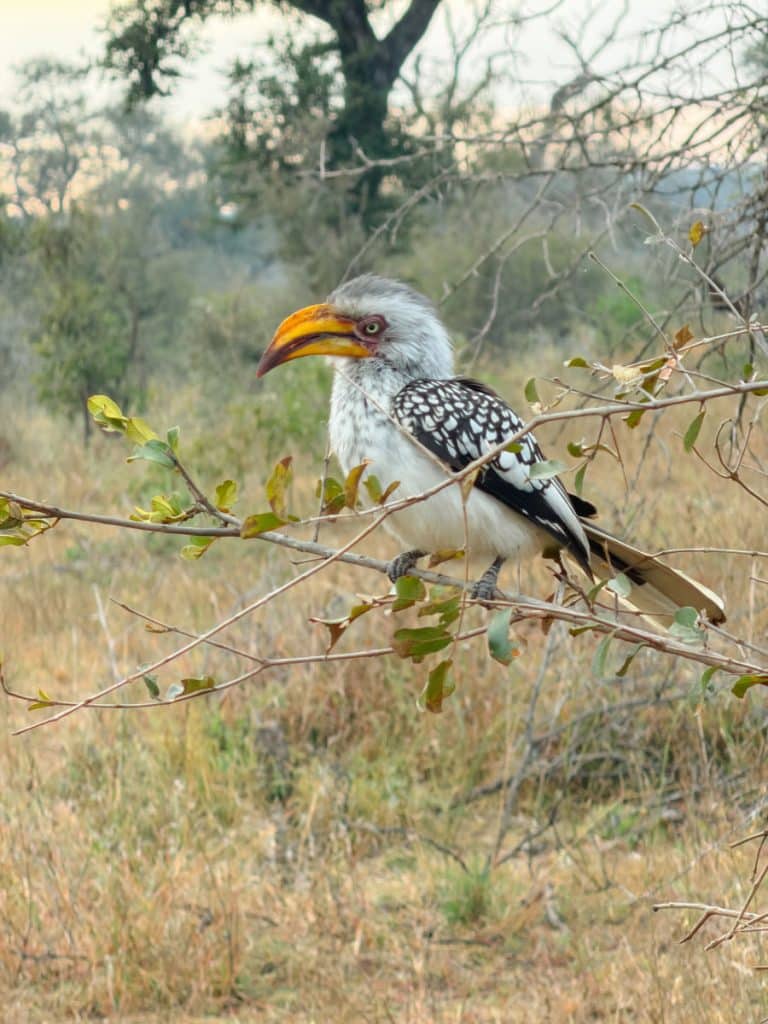
I visited in June, which is peak dry season on paper, but the region had an unusually rainy fall (March–May) leading into my trip, so the bush was noticeably lusher than what you’d typically expect from June photos. If you’re comparing my photos to what you’ve seen elsewhere online, that’s why: conditions vary year to year even within the “reliable” dry season, and no season guarantees a specific look or outcome.
If you’re pairing your safari with Cape Town: keep in mind the coast runs on the opposite pattern from the safari region — Cape Town’s dry season is roughly November to March, and its rainy season falls in winter (June–August), right when the bush is at its driest and best for game viewing. If you’re visiting both, you likely can’t hit the ideal season for each at the same time, so it’s worth deciding which experience matters more for your trip and planning around that. It was so rainy and cloudy when I was in Capetown that I had to scrap our plan to visit Table Mountain. Yet two days earlier, it was sunny and warm in the Winelands. So, like everywhere, weather can be unpredictable.
Safari Lodging: What to Expect
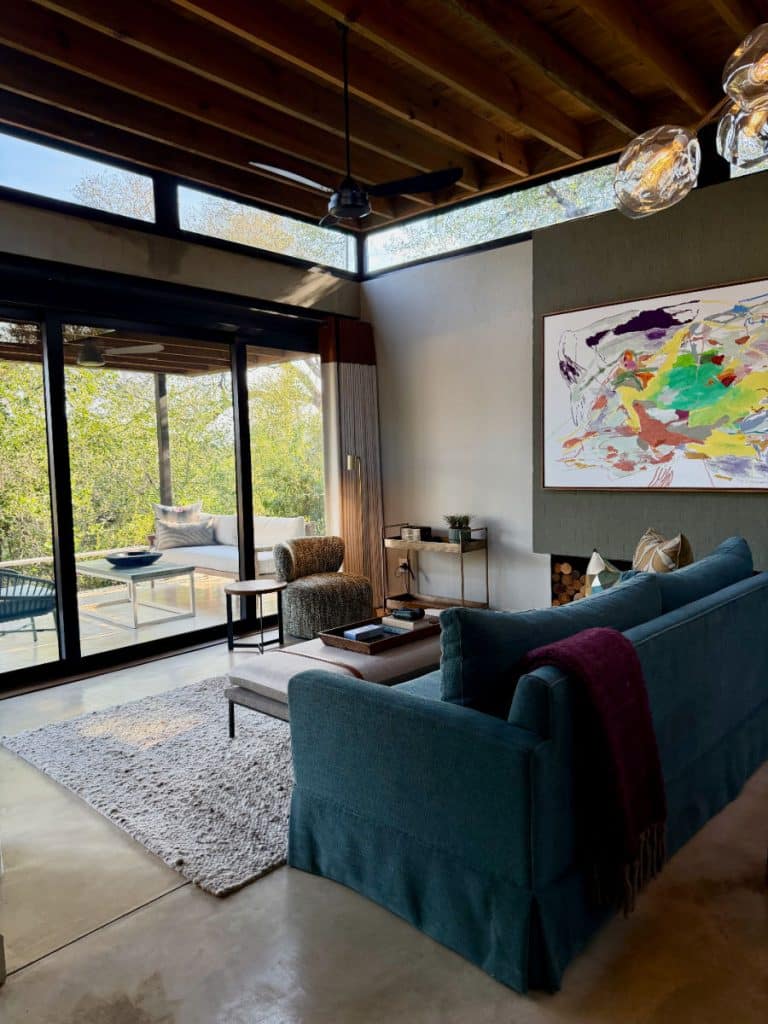
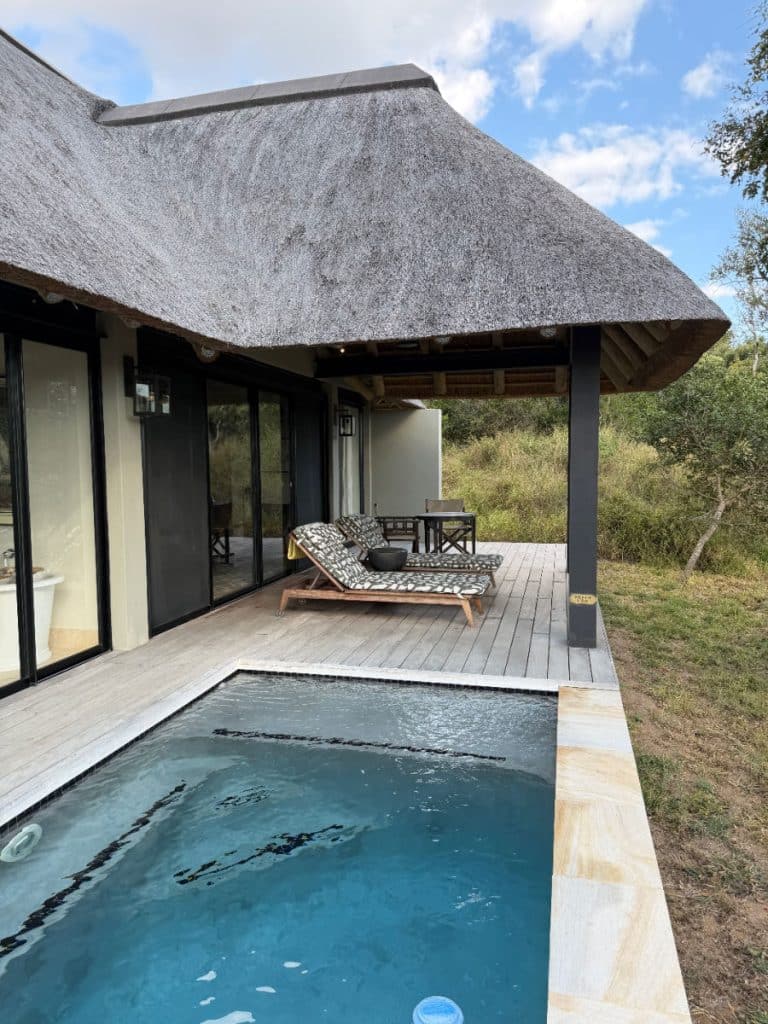
Safari accommodations vary enormously, which is part of why the cost range is so wide. I think a common misconception is that all safari experiences involve tented camps. Not true. My standalone suite at Lion Sands Ivory Lodge was larger than many apartments. So if you are nervous about just having canvas between you and the great outdoors, don’t be. There are plenty of solid options.
Here’s a general sense of what’s possible across the spectrum and be sure to talk to your travel advisor to discuss if you want a tented experience or what style room/lodge design you prefer (do you want very traditional African, something more contemporary, etc).
Room Size and Style
Most lodges offer somewhere between 6 and 20 rooms or suites total, which is intentionally small compared to a typical hotel, and part of what makes the experience feel intimate rather than crowded. Rooms themselves range from simple, comfortable en-suite rooms at budget and mid-range properties to sprawling suites at luxury lodges with a private plunge pool, outdoor shower, and a deck overlooking a waterhole or riverbed.
Service Level
Service scales with price tier, but even mid-range lodges typically include a dedicated ranger and tracker for your stay, turndown service, and full board (all meals included). At the luxury end, expect a personal butler, laundry included, and staff who learn your preferences within the first day. Most will offer a restaurant, or multiple dining areas, a bar area, various public spaces to hang out, and often a spa and small fitness center.
Some, such as Tinga Lodge, even offer a kids’ clubhouse and a creative lab for editing and developing photos from the trip. You may also find a small shop in the lobby for branded safari gear and a few locally-sourced handicrafts, but don’t plan on it stocking essentials — be sure to pack smart.
Private Villas and Full Camp Buyouts
If you’re traveling with a multi-generational family or a larger group and want real privacy, many lodges offer a private villa, sometimes with its own pool, that can include a private safari vehicle and a private chef preparing meals just for your group. Some properties also allow you to book out an entire smaller camp exclusively, so it’s just your group and the staff for the length of your stay. Both options cost more, but they remove the shared-schedule aspect of a typical stay — your drive times, meal times, and pacing become entirely up to you.
Is a Safari Family-Friendly?
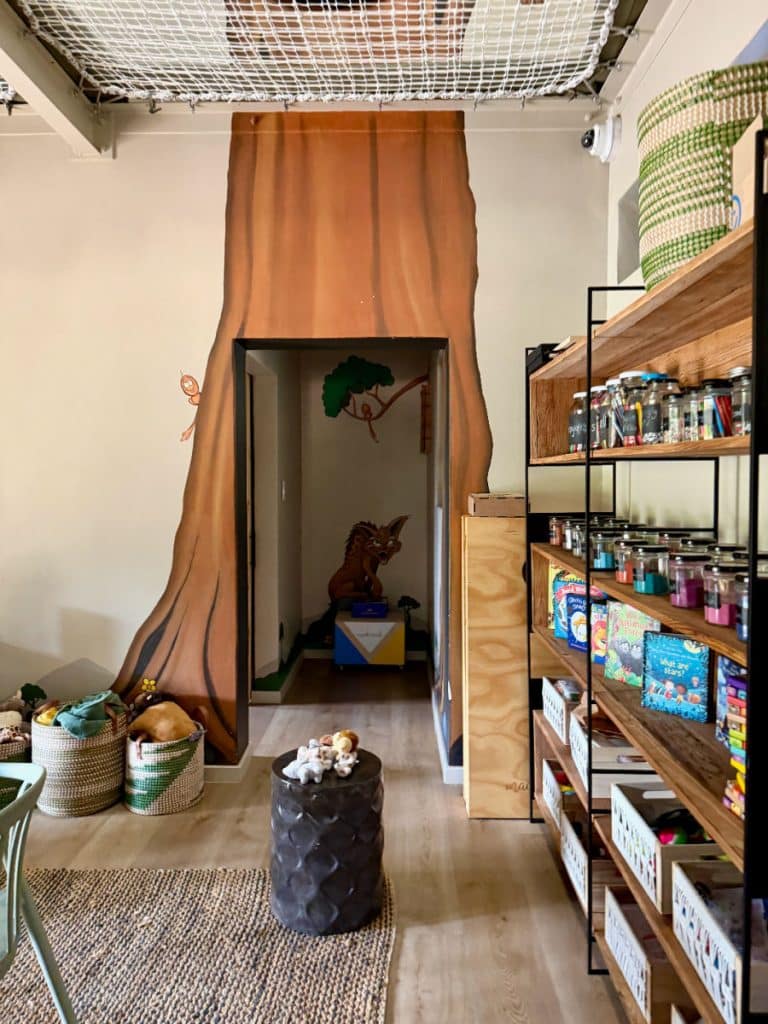
It can be, but it depends heavily on the lodge, the age of your kids, and your child specifically.
Age Restrictions Vary by Lodge
Many lodges set a minimum age for game drives — commonly 6+ or 10+, though this isn’t universal, and some lodges have no stated minimum at all. Private villas typically don’t carry age restrictions, since it’s your own private vehicle and schedule rather than a shared drive with other guests. If traveling with young kids is a priority, it’s worth checking a lodge’s specific policy before booking rather than assuming.
What Actually Matters More Than the Age Cutoff
A stated minimum age is a floor, not a guarantee of readiness. Game drives involve sitting still and relatively quiet for 3–4 hours at a stretch, following instructions immediately (including staying seated during close animal encounters), and going without a bathroom break for the length of the drive. Realistically, most kids are ready for this around age 8 or older, though it genuinely depends on the individual child. Some younger kids handle it fine, and some older kids struggle with it. You know your kid better than any age cutoff does.
Food and Dietary Needs
Most lodges are well-practiced at accommodating dietary restrictions and allergies, and many can put together a simplified kids’ menu on request. Worth flagging any needs when you book, not on arrival, so the kitchen has time to plan.
Documentation for Traveling Children
If you’re bringing kids, build in time for paperwork beyond the usual passport. All children under 18 need a valid passport and, in most cases, an unabridged birth certificate or equivalent document showing both parents’ details. This applies even when both parents are traveling together, not just in single-parent situations.
If only one parent is traveling with the child, or if the child is traveling with a grandparent, relative, or family friend, you’ll also need a signed consent affidavit from the non-traveling parent (or a court order for custody or guardianship), along with a copy of that parent’s ID or passport and their contact details.
Requirements like this can change, so confirm the current rules directly on South Africa’s official government site or with the South African embassy well before you travel.
Traveling with Medications, Including ADHD Medication
If anyone in your group takes a stimulant medication for ADHD, plan ahead. Medications like these are controlled substances in most countries, including South Africa, and bringing them across international borders comes with real requirements or restrictions:
- Keep all medication in its original, pharmacy-labeled prescription bottle (never in a pill organizer) for international travel
- Carry a signed letter from the prescribing doctor stating the medication, dosage, and medical necessity
- Bring a copy of the written prescription itself, in addition to the doctor’s letter
- Check current requirements with the South African embassy or consulate before you travel, since regulations and permitted quantities can change
This is genuinely worth doing a few weeks ahead of your trip rather than the night before you pack, since some documentation can take time to arrange.
A Safety Note for After Dark
At most lodges, once the sun sets, a staff member will walk you to and from your room or between the main lodge and your accommodation — not because anything is likely to happen, but because the camps are unfenced and animals do move through at night. It can feel like an unnecessary formality your first night and becomes completely normal by the second. Just wait to be escorted rather than walking back on your own after dinner or drinks.
What to Pack
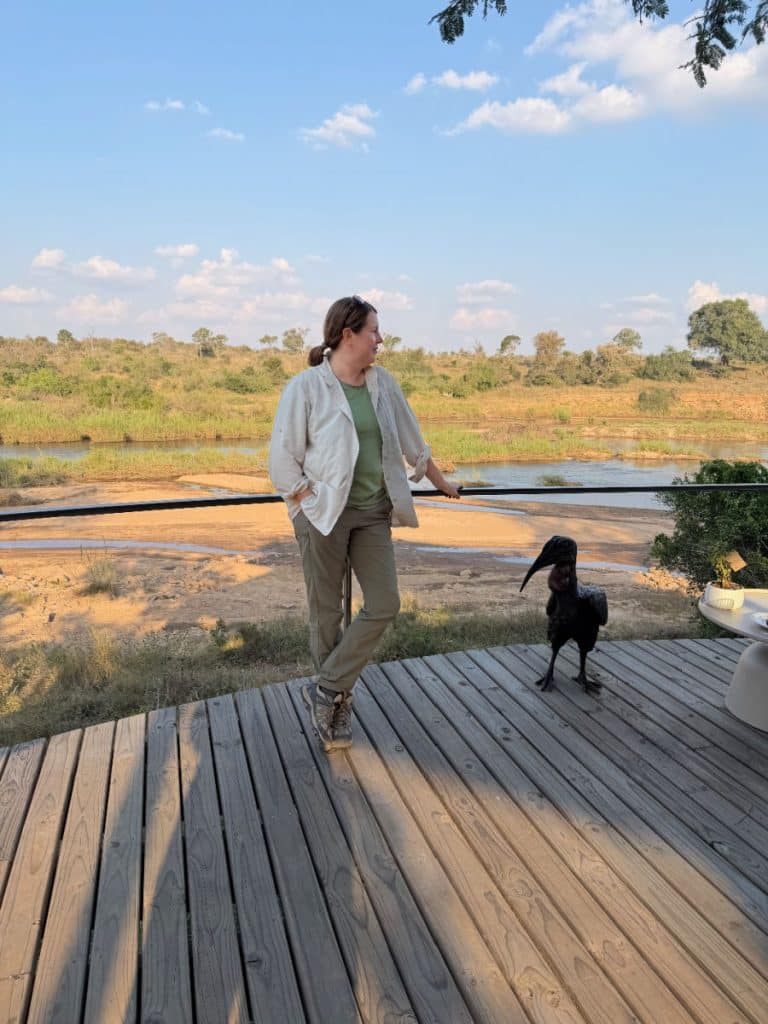
I’m covering the full safari packing list in a separate, dedicated post [coming soon], but the short version: pack light, pack in neutral colors (khaki, olive, tan — avoid bright colors, white, and black, which can attract insects or stand out to animals), and bring layers, since mornings are cold and afternoons warm up fast. A soft-sided bag matters if your lodge uses light-aircraft transfers, and a buff or light scarf goes a long way against dust.
You will also want to make sure your camera or phone has plenty of storage available because you are going to be taking a LOT of photos and videos. To that end, bring extra batteries, a battery pack (if allowed by your airline), and charging cords that you can take on safari if your vehicle offers charging (otherwise be sure to charge between game drives.)
A few other musts include: sunhat with a strap, sunglasses, sunscreen, lip balm, moisturizer, a bathing suit, glasses cleaner, and a lens cleaning cloth.
Let Me Help You Plan Your South Africa Safari
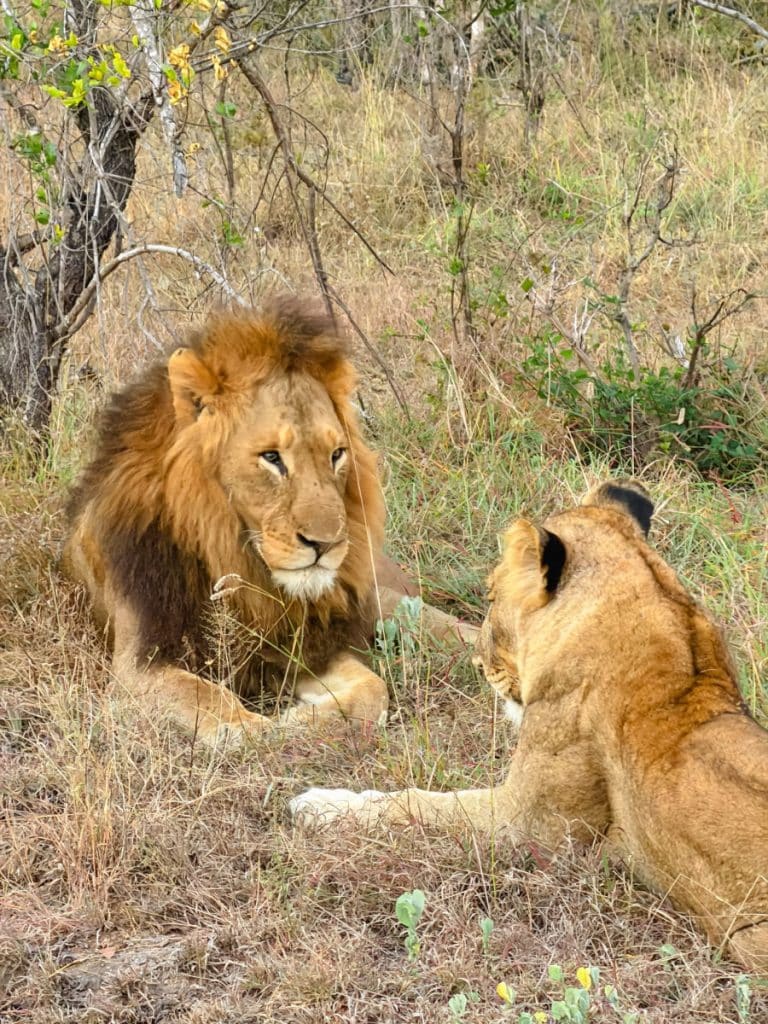
Reading about a safari is one thing. Figuring out the actual trip is another. Which reserve fits what you’re hoping to see, how many nights make sense at each stop, whether to pair it with Cape Town or the Winelands, how to route flights so you’re not wasting a day of your trip in transit, whether a neighboring country like Botswana or Victoria Falls belongs on the itinerary — there are a lot of decisions, and most of them aren’t obvious until you’ve done this before.
That’s where I come in. I plan South Africa trips soup to nuts: choosing the safari lodge that actually fits your travel style and budget, building out the right number of days in the right places, and handling logistics and bookings across safari, Cape Town, the Winelands, Johannesburg, and neighboring countries if you want to extend the trip. My goal is to take a genuinely complex trip to plan and make it easy — so all you have to do is show up and watch for lions.
If you’re ready to start planning, reach out here and let’s build your itinerary.
Frequently Asked Questions
How many days do I need for a safari in South Africa?
Three to four nights at one camp is a solid minimum. This gives your guide and tracker enough time to track specific animals you haven’t seen yet. A single overnight only gives you two drives, which limits your odds.
Is South Africa safe for a safari trip?
Safari lodges and private reserves are generally very safe and well-managed, with experienced guides trained in wildlife safety protocols. General safety precautions in South African cities (avoiding walking alone after dark, keeping valuables out of sight) are more relevant to city stops like Johannesburg or Cape Town than to time spent at a lodge.
What’s the difference between a private concession and a public reserve?
A private concession is privately managed land, often bordering a national park, where access is limited to guests of specific lodges. This means fewer vehicles, and guides are typically allowed to drive off-road to track animals — something not permitted in most public reserves like the main areas of Kruger.
Is wifi available at safari camps?
Most lodges offer wifi in common areas and sometimes in rooms, but connectivity can be spotty given the remote locations. Treat it as a bonus, not a guarantee, and plan to be mostly offline during game drives.
Will I see the Big Five on safari?
Not guaranteed, but likely over a multi-night stay at a good reserve. Odds improve with more nights, private concessions with off-road access, and dry season timing, though even short trips often deliver excellent sightings — just not always all five animals.
Is a South Africa safari family-friendly?
It depends on the lodge and the child. Many lodges set a minimum age for game drives (commonly 6+ or 10+), while private villas typically have no age restrictions since you get a private vehicle. Beyond the official cutoff, consider whether your child can realistically sit still and follow instructions for a 3–4 hour drive — generally around age 8 and up.
How is a South Africa safari different from an East Africa safari?
South Africa’s Big Five reserves sit in bushveld — thick brush and woodland — rather than the open plains associated with East Africa, and you won’t see the Great Migration, which is specific to the Serengeti/Maasai Mara ecosystem. The landscape, tree types, and viewing style are genuinely different experiences, not a smaller version of the same one.

Tamara Gruber is an award-winning travel writer and the founder of Your Time to Fly. With more than a decade of professional writing experience across two travel publications and hundreds of destination guides, she specializes in crafting practical, detailed itineraries that help travelers explore the world with confidence. Her work reflects years of on-the-ground research across the globe. Tamara is a member of SATW and serves on the Board of Directors of the Family Travel Association.
