
After four trips to Iceland, I finally ventured north and fell in love with the Land of Ice and Fire all over again. The south dazzles with drama, but the north? It’s quieter, wilder, and more adventurous. Steam rises from geothermally-heated lagoons, waterfalls thunder through basalt canyons, and fishing towns cling to fjords where humpback whales breach offshore.
If you want to experience Iceland beyond the busy South Coast, then North Iceland or the West Fjords is where to go. I visited the West Fjords a few years ago on an Iceland girls trip and this time, I had a chance to conquer the North and found those fjords just a beautiful, and a little easier to access. Whether you’re drawn to geothermal spas, glacier-fed waterfalls, or the chance to see the Northern Lights dance across the Arctic sky, this part of Iceland delivers unforgettable moments at every turn.
And if you’d rather not handle all the logistics yourself, I can help plan your custom trip to North Iceland — including boutique hotels, curated activities, car rentals or transfers, and on-the-ground support. With my first-hand experience and trusted partners in Iceland, I’ll make sure your trip is effortless from start to finish.
Why Visit North Iceland

North Iceland is quieter and you won’t be fighting the tour bus crowds at major natural attractions, especially if you visit outside of cruise ship season. Here you will find the more dedicated, adventurous, and intrepid travelers.
With its proximity to the Arctic Circle, you have nice long days of sunlight in the summer and even better opportunities to catch the Northern Lights from September through March.
This region includes Akureyri, Iceland’s second-largest city; Húsavík, the country’s whale-watching capital; and the surreal landscapes around Lake Mývatn. It’s also home to the Diamond Circle, a scenic driving route connecting some of the country’s most spectacular natural landmarks — Goðafoss, Dettifoss, Ásbyrgi Canyon, and Húsavík.
Things to do in North Iceland
Whether you have four days or a full week, here’s what to do, where to go, and how to make the most of your time in Iceland’s unspoiled north.
For reference, here is a map of the things to do in North Iceland:
I’ve created this map using Google MyMaps. You can click the icons on the map to get more information about each destination or attraction. Click the star next to the title of the map to add this map to your Google Maps account. Then open Google Maps on your desktop/laptop, click the menu button, go to “Saved,” click the Maps tab, and you will see this map on your list. From your mobile phone, click on Saved in the bottom tabs, then scroll down and click on Maps. You will then see this list in your list of saved maps.
Soak in North Iceland’s Best Hot Springs

If you think Iceland’s only hot spring is the Blue Lagoon, think again. The bathing, swimming and soaking culture is a big part of local Icelandic life and there are more and more hot springs and geothermally-heated lagoons popping up across the country. There are a few in the north that you shouldn’t miss.
Pro tip: if you want to save money on your visits, pack a microfiber travel towel so that you don’t need to rent a towel at each location. For all, be sure to book your time slot in advance to avoid disappointment.
Forest Lagoon – Akureyri
Set among pine trees on the slopes above Akureyri, Forest Lagoon overlooks Eyjafjörður, one of Iceland’s longest fjords. The warm, mineral-rich water flows naturally from the nearby Vaðlaheiði mountain, feeding two large pools. Enter the lagoon through the indoor entry and soak with a glass of wine from the swim-up bar.
Heat up in the Finnish sauna and then take a plunge into the cold pool to get your circulation pumping. Let the steam curl through the trees, and watch the sky shift from pink to deep blue. In the winter, you may even catch a glimpse of the Northern Lights. Make an evening of it with a reservation at the Forest Bistro.
Note: The Forest Lagoon is in the midst of an expansion and will soon have an on-site hotel with facilities just for guests.
Tip: The Forest Lagoon offers a free shuttle from the Centrum Kitchen and Bar in downtown Akureyri if you are visiting the “Capital of the North” without a car.
GeoSea – Húsavík


Perched on a cliff above the Skjálfandi Bay, GeoSea combines the salty tang of the sea with geothermal warmth. It’s one of the most stunning infinity pools in Iceland. You might even spot whales breaching offshore while you soak.
The small locker room offers the option of a private changing room and private shower, which is a welcome sight for most American visitors. There is also a steam room and a swim up bar to enjoy. The pools are two different temperatures, with the warmest closest to the locker rooms. There is also a small cafe for light bites and takeaway.
Earth Lagoon (formerly Mývatn Nature Baths)
Set in a landscape that feels like another planet, the Mývatn Nature Baths — recently rebranded as Earth Lagoon — offer milky-blue waters surrounded by lava fields. The air is thick with the scent of sulfur, and steam billows from cracks in the ground.
You can also find the Cafe Kvika, a swim up bar, and natural steam baths. Note: They are currently undergoing construction and will reopen with new facilities in spring of 2026.
Tip: Go after 9 p.m. in summer when most tour buses have left — you’ll have the pools nearly to yourself.
Bjórböðin Beer Spa
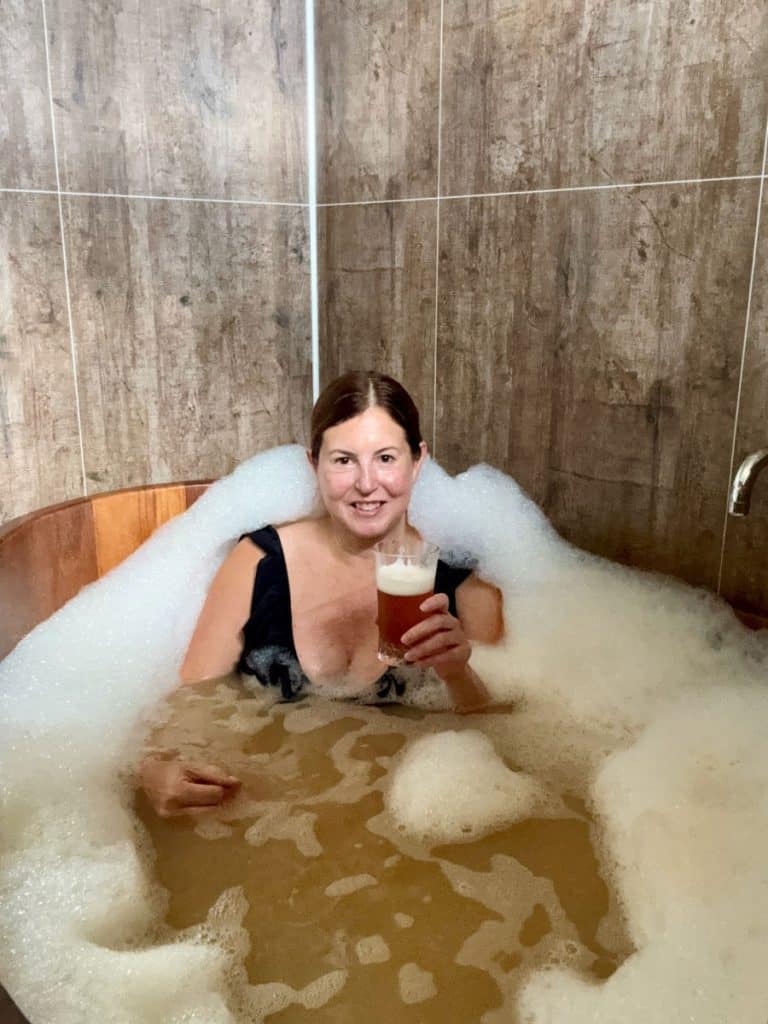

A spa day with a twist: here, you soak in a wooden tub filled with warm beer, yeast, hops, and water from a local brewery. The Bjórböðin Beer Spa is pure fun — and surprisingly relaxing. Each tub comes with its own tap, so you can sip while you soak.
Tip: Arrive early to have time to soak in the hot tubs outside overlooking the fjord. You can also have a meal at the adjacent restaurant.
Whale Watching and Fjord Adventures

Whale watching in North Iceland isn’t just a tourist activity — it’s part of the region’s identity. The deep fjords and rich feeding grounds of Skjálfandi Bay and Eyjafjörður attract humpback, minke, and even blue whales from May through September. You may also encounter harbour porpoises and, less frequently, killer whales (orcas), fin whales, and sperm whales. In fact, while I was driving near Öxarfjörður, north of Husavik, I saw two bottle-nosed whales washed up on a beach.
Húsavík: Iceland’s Whale Watching Capital
The colorful harbor town of Húsavík is the beating heart of Iceland’s whale-watching scene. Companies like North Sailing and Gentle Giants operate traditional wooden boats and schooners that head out multiple times a day. Seeing a 40-ton humpback rise from the Arctic waters against a backdrop of snow-dusted peaks is a moment you won’t forget.
For a faster, more exhilarating ride, Húsavík Adventures offers RIB boat safaris that get you closer to the whales and puffin colonies.
Akureyri: Whale Watching in the Fjord
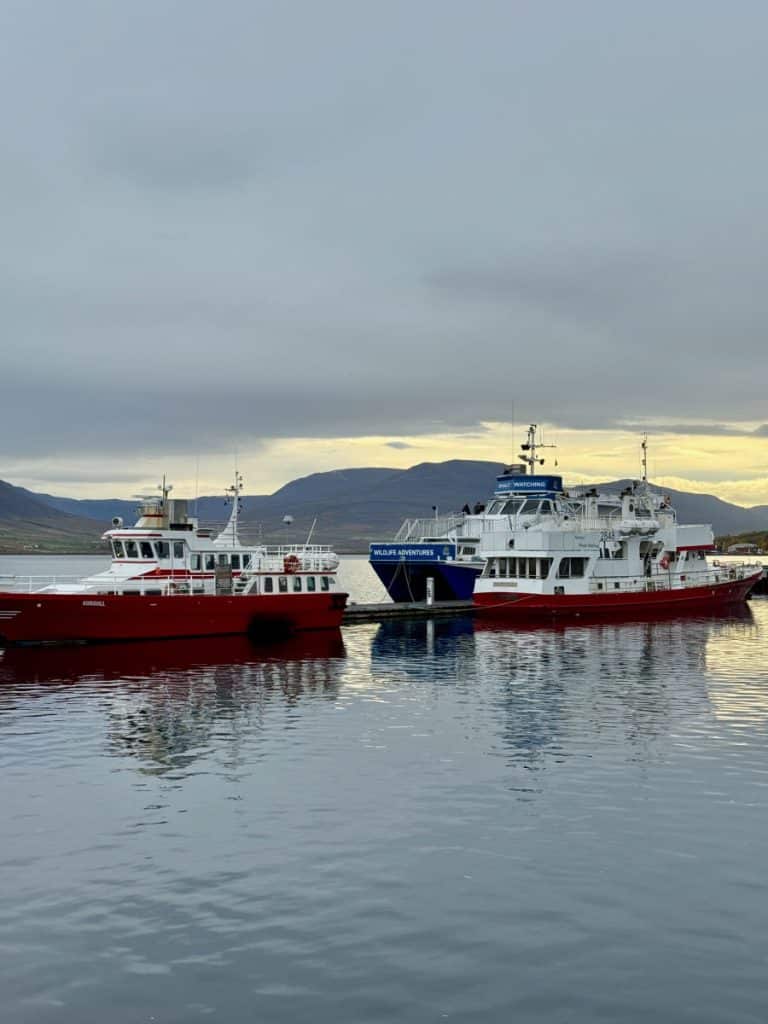
From Akureyri, you can cruise the calm waters of Eyjafjörður with Elding Whale Watching Akureyri or Special Tours. The fjord’s shelter often makes for smoother conditions and you’ll still have a great chance of seeing humpbacks, dolphins, and porpoises.
Tip: The best months for sightings are June through August, though tours usually run from May to October. Dress warmly and bring gloves — it’s always colder on the water than it looks. Some outfitters provide warm outerwear.
Waterfalls and Natural Wonders
Iceland is full of beautiful landscapes and raw, natural attractions from black sand beaches to towering cliffs, thundering waterfalls and deep, dramatic canyons. Some of these are located along North Iceland’s “Diamond Circle” tourist route.
Goðafoss – The Waterfall of the Gods
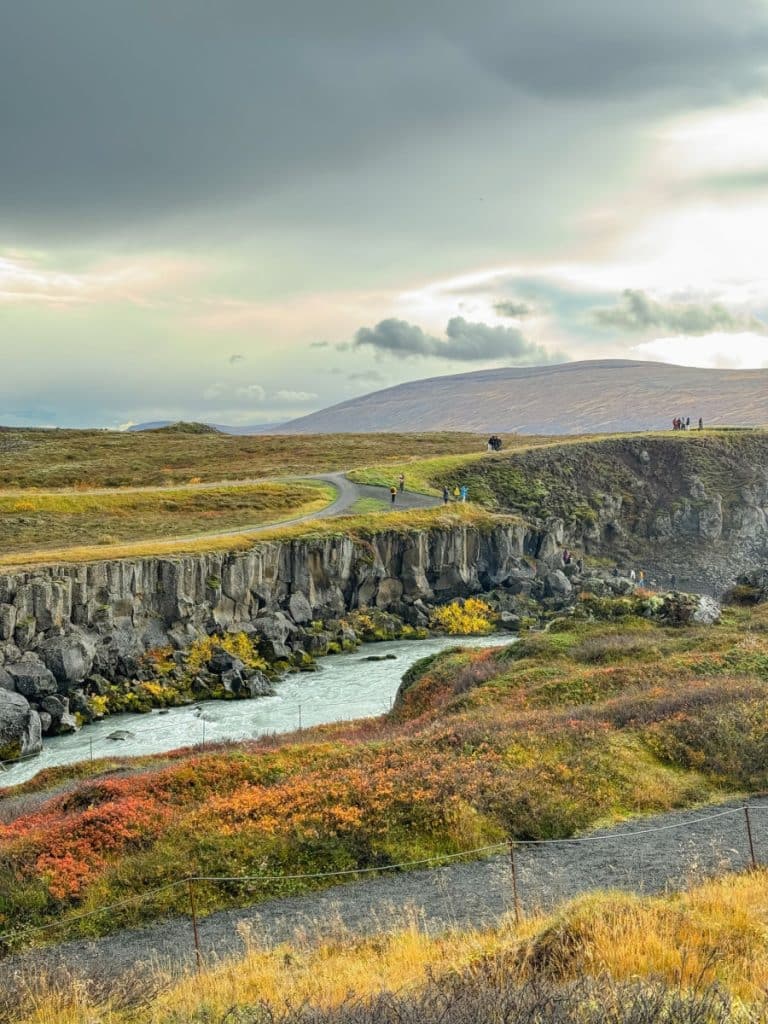
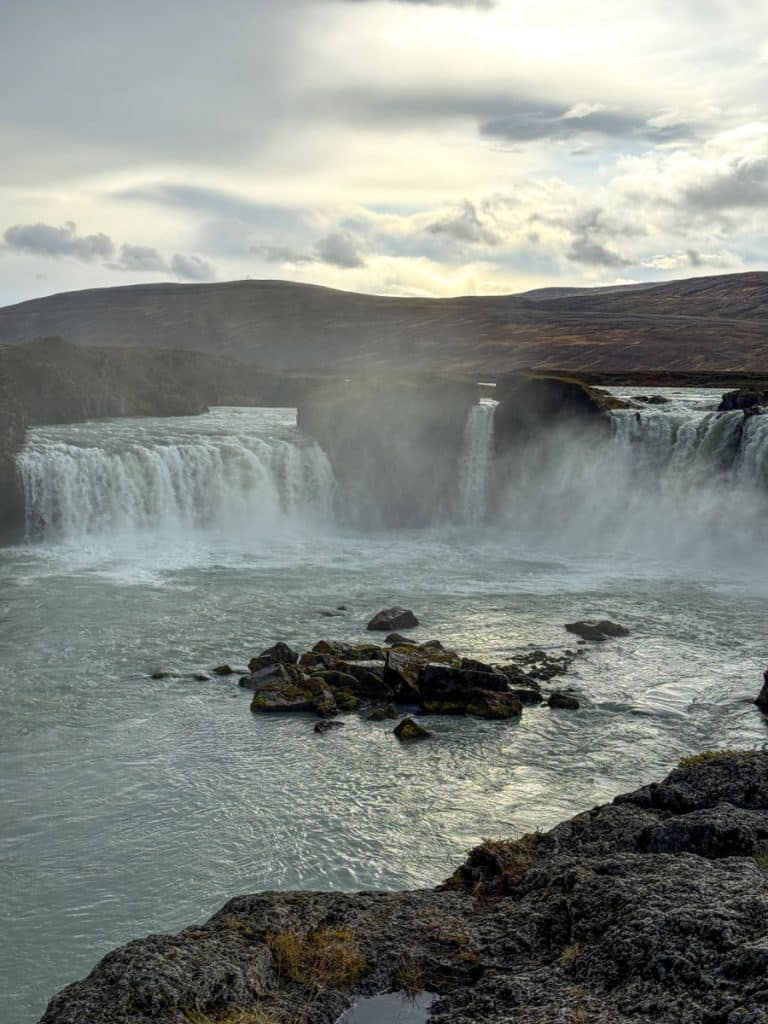
Between Akureyri and Lake Mývatn, Goðafoss is one of Iceland’s most photogenic waterfalls. Legend says it was here that the lawspeaker threw his pagan idols into the falls when Iceland converted to Christianity around 1000 AD. The semicircular cascade glows turquoise in the sunlight, framed by black basalt cliffs.
Walk the trails on both sides — the west side offers a better overview, while the east side gets you closer to the spray. You can easily walk across the bridge to see both. Just be extremely careful if you decide to walk down close to the water because if you slip and fall in, there is no coming back.
Dettifoss – Europe’s Most Powerful Waterfall
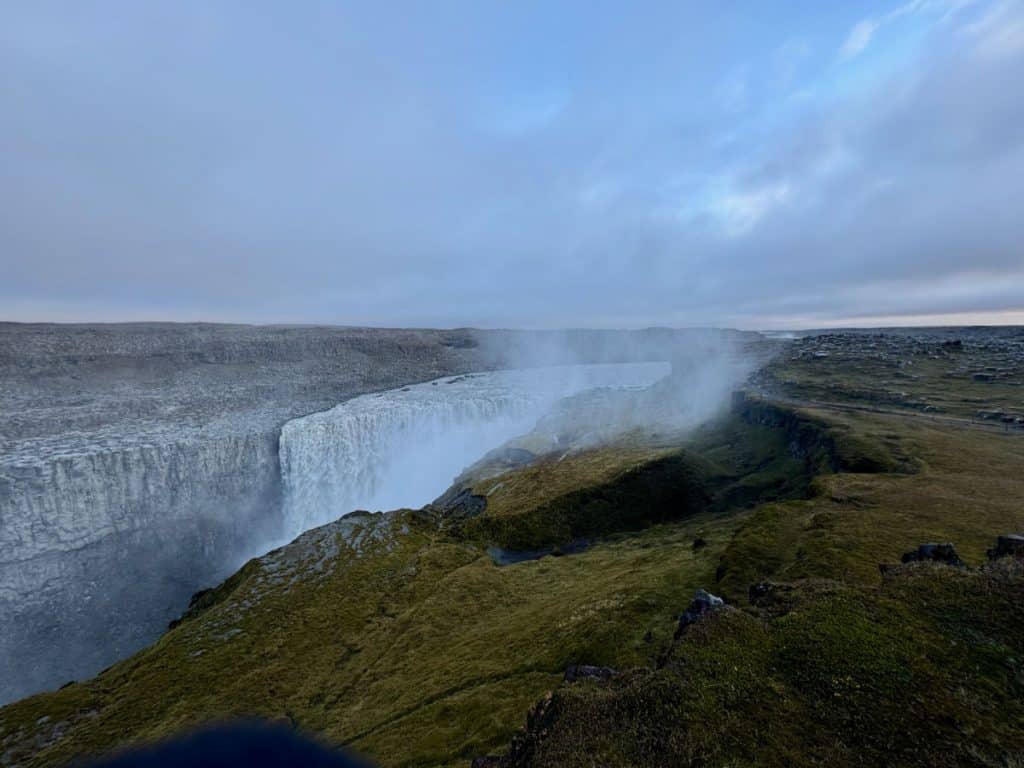


Standing before Dettifoss feels like facing raw power. The glacial water crashes down a canyon with such force you can feel it in your chest (and face — be sure to wear waterproof gear!) The west side is easier to reach with a paved road, bathrooms, and viewing platforms, but the east side rewards the adventurous with a wilder, closer perspective — reached via a rough 16-mile gravel road that’s best tackled in summer with a 4WD as the road is usually closed in the winter. On the west side, it is only .6 km from the overlook to a smaller waterfall, Selfoss, further down the canyon.
When I visited, I went about three miles down the road towards the east side before I turned around because it just felt too desolate and as a solo traveler, I didn’t want to get stranded there if I blew a tire on one of the ruts in the road.
Tip: Plan at least half a day if you want to see both sides and hike the canyon between Dettifoss and Selfoss.
Lake Mývatn and the Surrounding Geothermal Landscape

Few places in Iceland pack so much variety into such a small area. Around Lake Mývatn, you’ll find lava formations, craters, bubbling mud pools, and bird-filled wetlands.
Dimmuborgir Lava Fields – Just east of Lake Mývatn lies one of North Iceland’s most fascinating landscapes: Dimmuborgir, which translates to “Dark Castles.” This maze of towering lava formations and caves was created more than two thousand years ago when a massive lava lake from the Þrengslaborgir and Lúdentarborgir craters cooled unevenly. As the top hardened and the molten lava drained away, it left behind a labyrinth of spires, arches, and twisted shapes.

There are several marked walking paths, ranging from a short 10-minute loop to longer trails that take you deeper into the lava field.
It’s no wonder this place has inspired so many legends. According to Icelandic folklore, Dimmuborgir is the home of trolls — including the mischievous Yule Lads who appear during Iceland’s Christmas season. Locals will tell you that when the sun shines, the trolls turn to stone, which might explain the eerie silhouettes scattered across the lava field.
Hverir Geothermal Area –This geothermal area is near Námafjall Mountain just east of Lake Mývatn. The moment you arrive, you’re greeted by the unmistakable scent of sulfur carried on the steam that billows from vents in the ground. The landscape itself looks almost alien: rust-red earth, cracked mud flats, and swirling clouds of vapor rising from the geothermal vents.

There’s a wooden path that winds through the area, allowing you to safely get close to the fumaroles and mud pools without stepping on the fragile crust (which can be dangerously thin).
Hverfjall Crater – Just a few minutes’ drive from Lake Mývatn rises Hverfjall, a symmetrical cone that dominates the landscape. Formed by a massive volcanic explosion nearly 3,000 years ago, Hverfjall is one of the most striking volcanic features in Iceland — and one you can actually hike.
The short but steep path up the side of the crater takes about 15 to 20 minutes, winding through loose black ash and gravel. From the top, you can walk partway around the rim trail and take in sweeping views of the surrounding lava fields, Lake Mývatn, and the distant peaks of the Krafla volcanic system.
Skútustaðagígar – On the southern shore of Lake Mývatn lies Skútustaðagígar, a cluster of perfectly shaped pseudocraters formed over two thousand years ago when molten lava flowed across wetlands.
Skútustaðagígar is one of Iceland’s best spots for birdwatching. The lake is home to dozens of species, from tufted ducks and red-necked phalaropes to graceful whooper swans. It’s also a great stop if you’re driving the Diamond Circle, as it’s just off the main road and can be explored in under an hour.
Lake Myvatn is one of the most diverse and fascinating regions in Iceland — a highlight of any Diamond Circle itinerary. In fact, I’d recommend staying a night or two so that you can fully explore the region and enjoy activities such as biking around the like. Plus, in the winter you can enjoy snowmobiling or snowshoeing.
Fly Over A River: Zipline Akureyri
If you’re looking for a fun burst of adventure between sightseeing and soaking, Zipline Akureyri is a must-try. Tucked into a lush ravine just minutes from downtown, this zipline course combines thrilling rides with stunning views of the Glerá River and surrounding forested canyon. What makes this zipline experience unique is that you take a running start off of platforms, rather than stepping off of towers.
Zipline Akureyri operates spring through autumn. It’s a perfect add-on for anyone staying in town for a night or two — and a great way to stretch your legs after a day of soaking in hot springs or driving the Diamond Circle.
Adventure in the Highlands and Caves
While many of the activities and attractions listed above can be explored or booked independently, there are also guided activities that can reach deeper into the Highlands and see things you will never experience if you are just driving the Ring Road.
There are a number of great tour providers that offer these excursions including:
Askja & Herðubreiðarlindir Super Jeep Tour
From Lake Mývatn, Super Jeeps head deep into the desolate highlands toward the Askja caldera and Víti crater lake. The terrain is otherworldly — volcanic deserts, black sand plains, and the flat-topped mountain Herðubreið, often called Iceland’s “Queen of Mountains.”
Tip: Only accessible in summer (late June–September) with a guided tour.
Lofthellir Ice Cave
Beneath a lava field east of Mývatn lies Lofthellir, a surreal world of ice sculptures and crystalline formations that shimmer under flashlight beams. The tour involves crawling and climbing — but the experience feels like stepping into another realm.
Winter Adventures
In winter, North Iceland turns into a snow-covered playground. Try snowmobiling or snowshoeing excursions from Akureyri or Mývatn. The low winter sun casts a golden light that makes the landscape look ethereal. Just keep in mind that you only have a few hours of daylight to enjoy.
Chase the Northern Lights


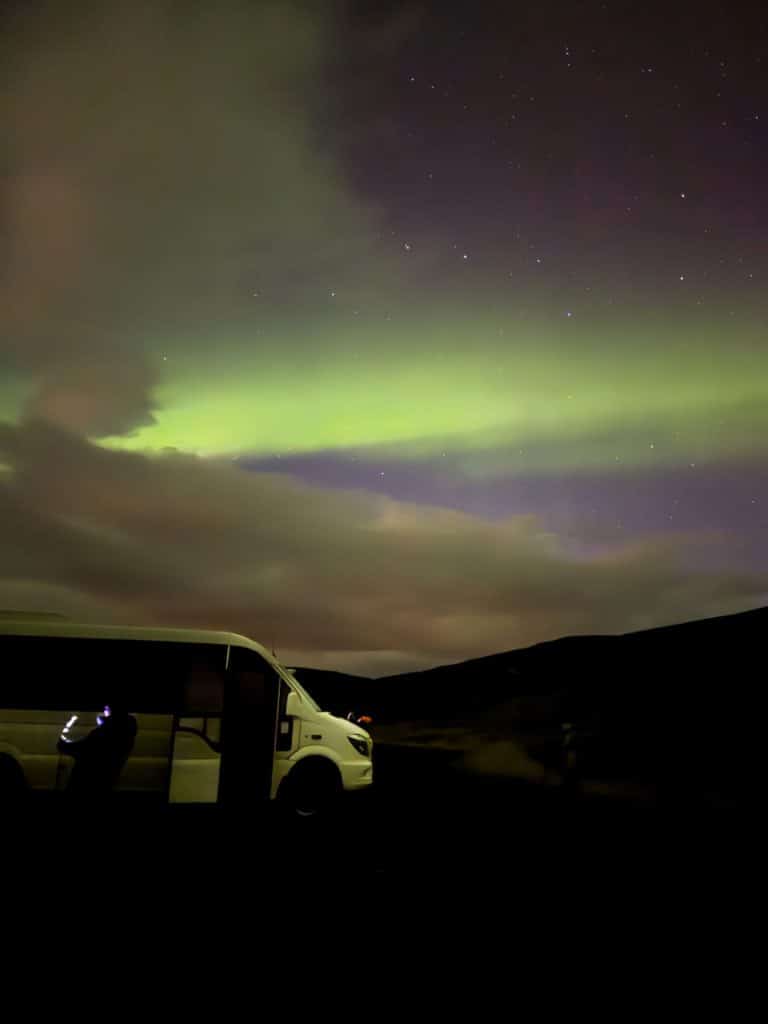
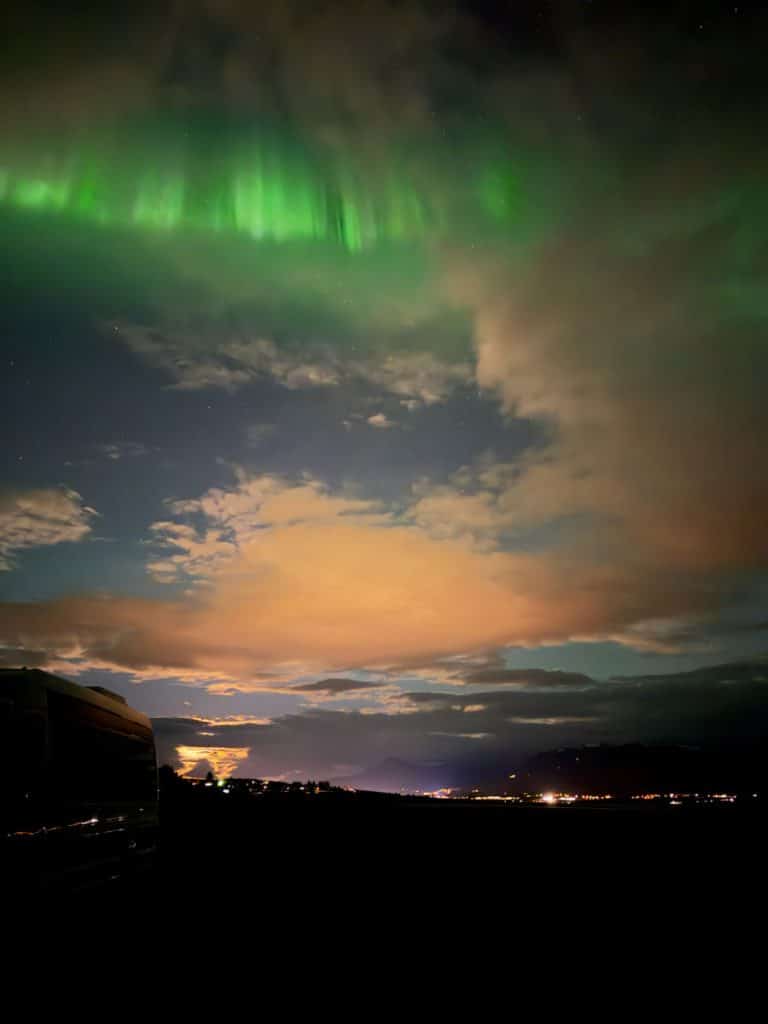
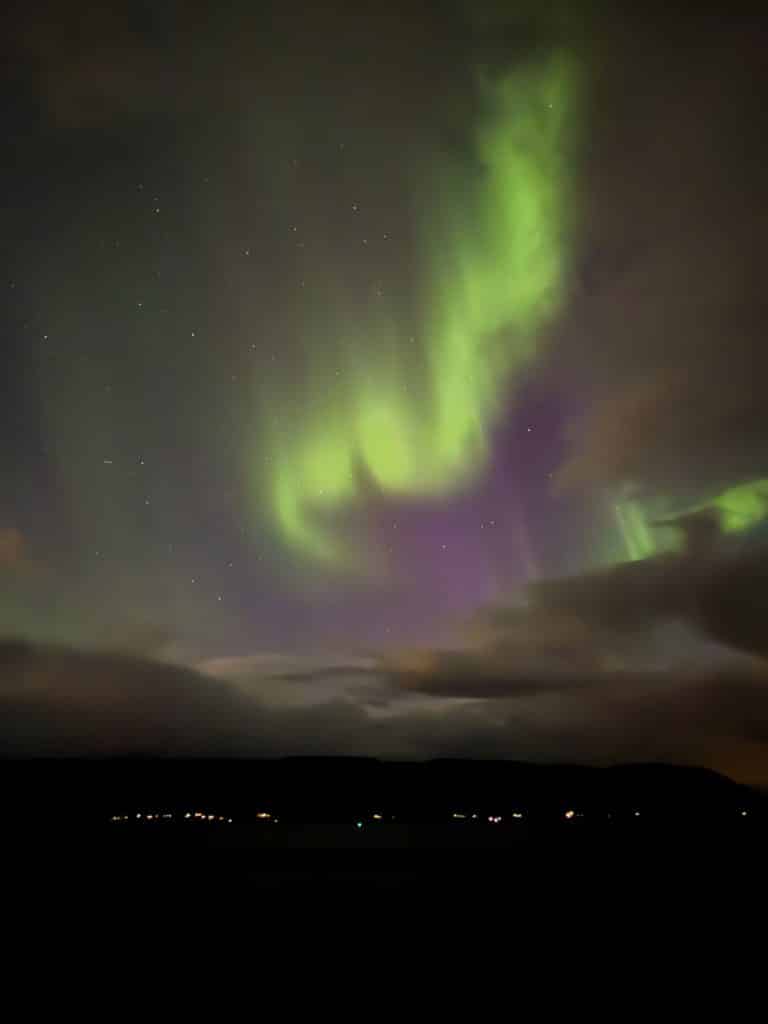
Few places are better for seeing the Northern Lights than North Iceland. With minimal light pollution, long dark nights, and proximity to the North Pole, the odds are in your favor from September through March.
I joined a Northern Lights tour with Saga Travel from Akureyri and had incredible success — our guide tracked cloud cover in real time and drove us to the clearest skies. She even helped everyone adjust their phone or camera settings for the best photo results. Standing under the swirling bands of light was pure magic.
Tip: Dress warmly, bring hand warmers, and be patient. The aurora often appears just when you think it’s time to give up. For better photos, bring a tripod.
Scenic Fjord Drive: From Akureyri to Dalvík, Ólafsfjörður, and Siglufjörður
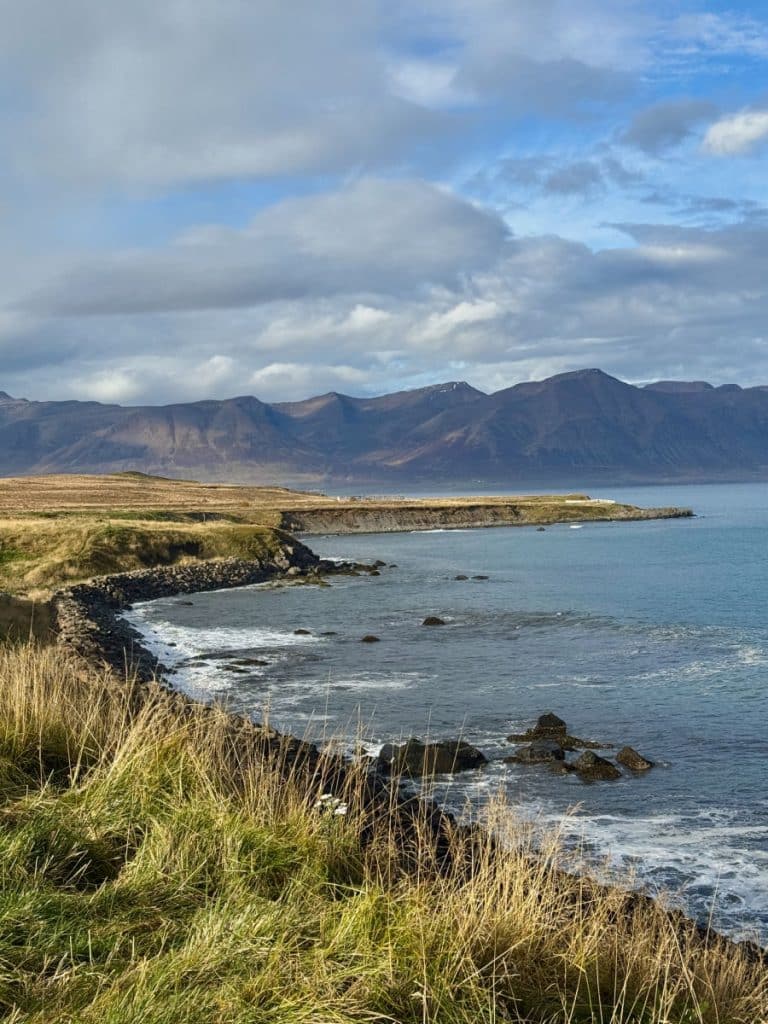
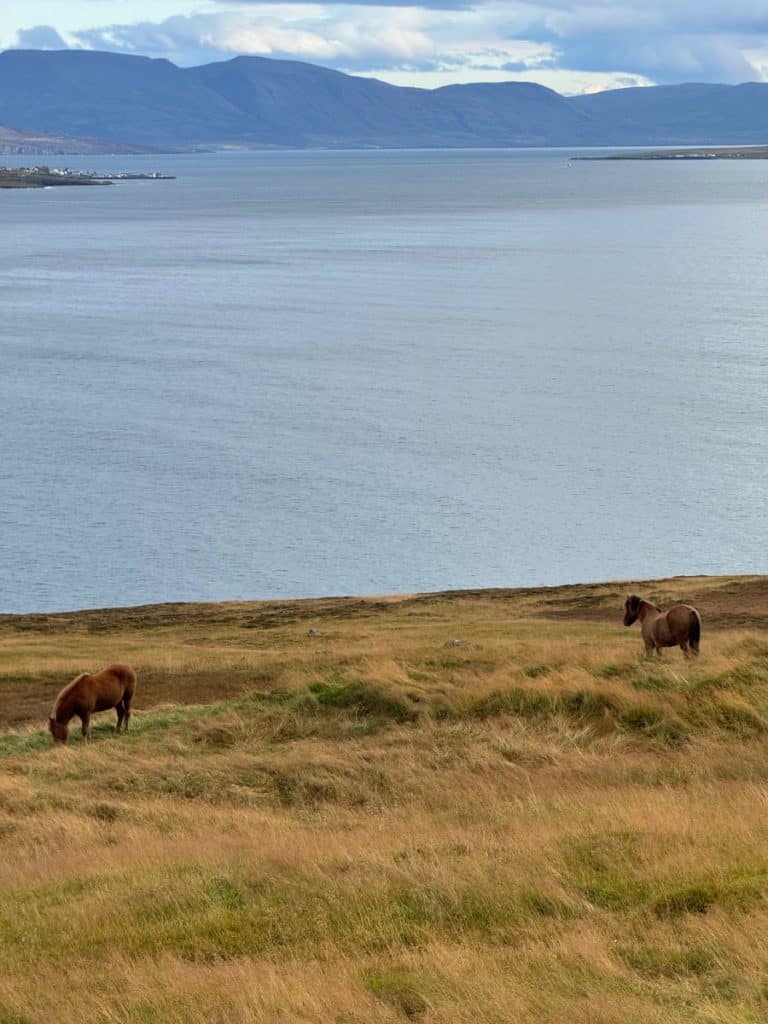
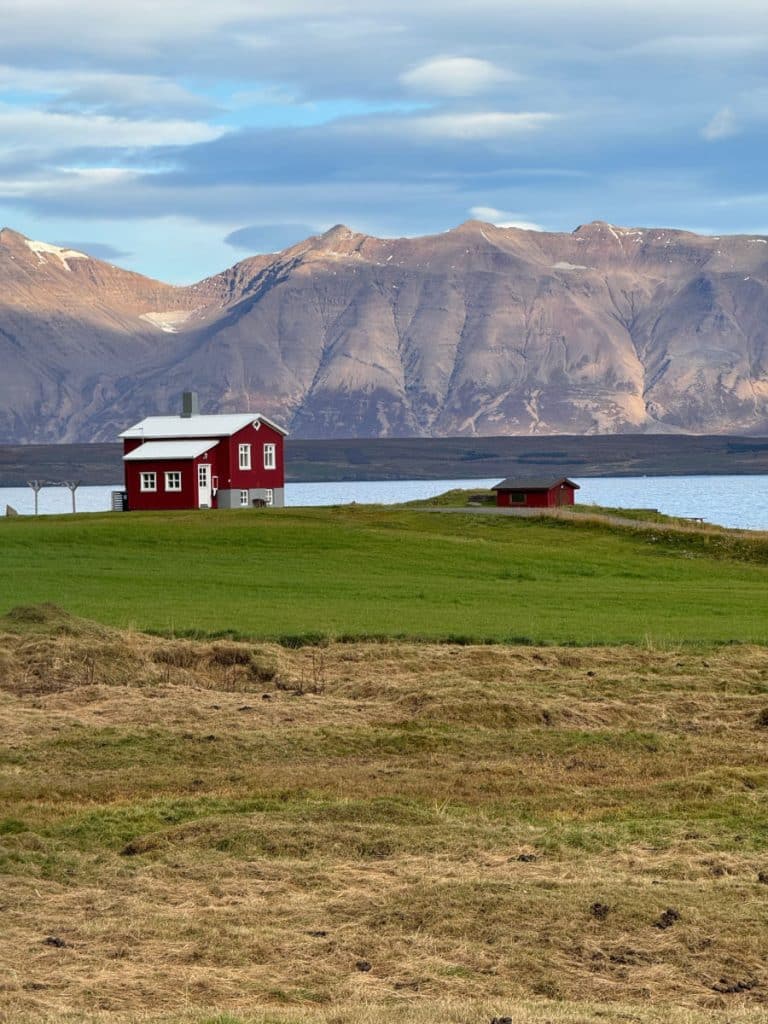
One of the most spectacular drives in North Iceland follows Eyjafjörður, the country’s longest fjord, winding north from Akureyri through a series of charming fishing villages and mountain tunnels to the colorful harbor town of Siglufjörður. This route — part of the Arctic Coast Way — is perfect for a day trip and offers a glimpse of everyday life in coastal Iceland along with incredible scenery at every turn.
Leaving Akureyri, the road hugs the fjord’s western edge, passing rolling farmland, tiny churches, and wide views of the water framed by mountains. On a calm day, the surface of Eyjafjörður mirrors the peaks like glass. Keep an eye out for seals or even whales — they’re sometimes visible close to shore.
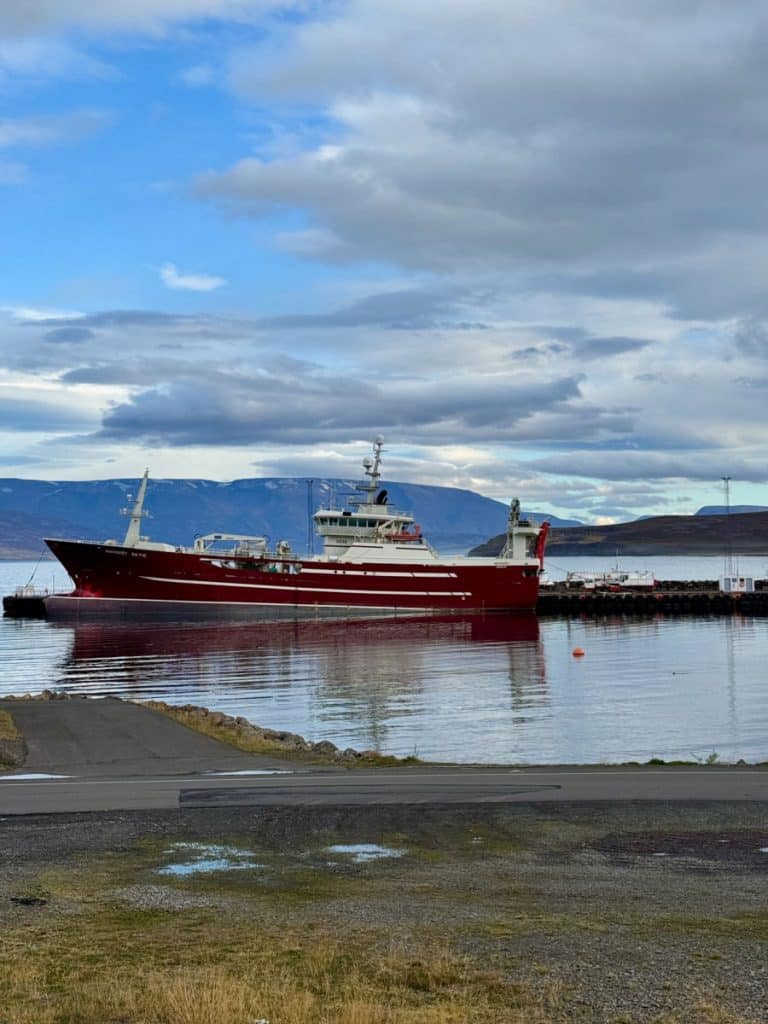

Your first stop is Dalvík, a picturesque fishing town and one of the best spots in Iceland for whale watching if you want a smaller, more local experience. Arctic Sea Tours operates out of the harbor here, offering trips on traditional boats or RIB safaris to nearby Hrólfsvík Bay. Dalvík also has a small but interesting folk museum, and a cozy café called Gísli, Eiríkur, Helgi Kaffihús that’s perfect for coffee and fresh-baked pastries (they also have a great fish soup for lunch!)
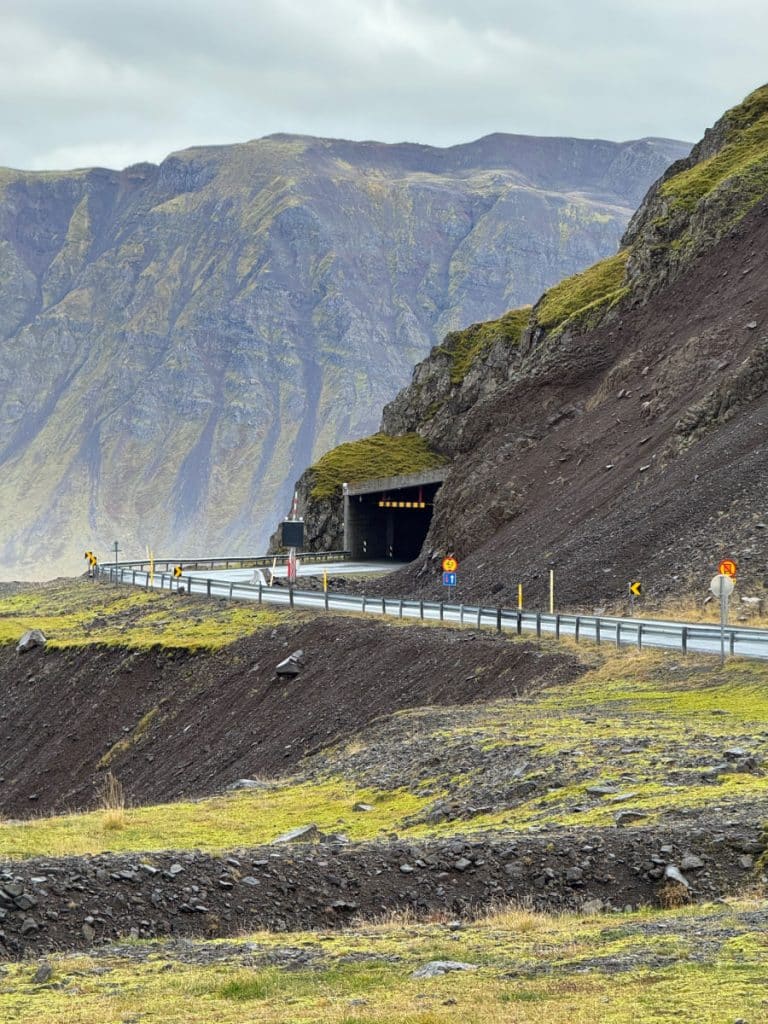
Continuing north, the road climbs into the mountains before disappearing into a pair of dramatic tunnels that link the fjords. The Ólafsfjarðargöng and Héðinsfjarðargöng tunnels carve through the Tröllaskagi Peninsula, connecting the once-isolated fishing towns of Ólafsfjörður and Siglufjörður. Emerging on the other side feels like surfacing into a hidden world of deep valleys and sheer cliffs.
Make a stop in Ólafsfjörður, where you can stroll along the peaceful harbor or take a kayak tour on the calm lagoon with Arctic Sea Kayak. The town is backed by rugged peaks and waterfalls that tumble down to the sea — it’s especially stunning in the soft light of evening.
The drive ends in Siglufjörður, a storybook town wedged between steep mountains and the fjord. Once known as the “Herring Capital of the World,” today it’s a vibrant artsy community with colorful buildings, cozy cafes, and the excellent Herring Era Museum, which tells the fascinating story of Iceland’s fishing boom years. Grab a local beer at Segull 67 Brewery, visit the harborfront shops, or simply walk along the water to soak up the peaceful Arctic atmosphere.
The return drive to Akureyri takes about 1.5–2 hours, though you’ll want to give yourself extra time for photo stops.
Tip: This route is mostly paved and easy to drive in summer. In winter, check road conditions before setting out, as the mountain passes can close due to snow. Plan a full day for the round trip, especially if you want to linger over lunch or add a whale watching or kayaking experience.
Hike the Horseshoe Canyon of Ásbyrgi
On the northern edge of Vatnajökull National Park lies one of Iceland’s natural wonders, Ásbyrgi Canyon. Shaped like a giant horseshoe and lined with towering cliffs, Ásbyrgi stretches nearly two miles long and over half a mile wide. Legend says it was formed when Odin’s eight-legged horse, Sleipnir, stepped down to earth, leaving this massive hoofprint behind.
There are several hiking trails that wind through Ásbyrgi, ranging from short, easy walks to full-day treks. If you have time, you can also continue hiking along the Jökulsárgljúfur Canyon Trail, which connects Ásbyrgi with Dettifoss — about a 34 km route that showcases Iceland’s wildest river gorge. Even a short section of this hike gives you an incredible glimpse of the raw volcanic landscape that defines North Iceland.
Tip: There’s a visitor center at the entrance with maps and trail information. The best time to visit is June through September when the trails are clear and the foliage is at its greenest.
Where to Stay in North Iceland
Note: This post contains affiliate links. If you click a link and make a purchase, I may receive a small commission at no cost to you.

Akureyri:
- Hotel Kea – historic charm and central location.
- Berjaya Hotel Akureyri – modern rooms with fjord views.
Lake Mývatn:
- Fosshotel Mývatn – sleek, sustainable, and ideally located.
- Berjaya Hotel Mývatn – cozy with great food and spa access.
- Sel Hotel Mývatn – family run hotel with a brewery and restaurant
Húsavík:
- Fosshotel Húsavík – modern comfort near the harbor.
Tip: Base yourself in Akureyri for dining and day trips, or at Lake Mývatn for nature and geothermal experiences.
Getting There & Around

You can fly from Reykjavík’s domestic airport to Akureyri in just 45 minutes or drive 5–6 hours along the Ring Road. Just keep in mind that if you are flying from the States, you will arrive in Keflavik and need to take a bus to the domestic airport in Reykjavik for your flight to Akureyri.
- In summer: Rent a car for flexibility and explore the Diamond Circle at your own pace.
- In winter: Guided tours are often the better choice — roads can close suddenly due to snow or wind.
- Driving tips: Watch for sheep, use safetravel.is for real-time updates, and fill up on gas when you can.
How Many Days to Spend in North Iceland

- 4 days: Akureyri, Goðafoss, Lake Mývatn, and whale watching.
- 7 days: The full Diamond Circle, Dettifoss, GeoSea, Askja, and time to relax in the hot springs.
If you’re driving the Ring Road, plan to spend at least two to three nights in the region — it deserves more than a quick stop.
After visiting Iceland four times, my week in the north stands out as something truly special — a balance of wild adventure and quiet rejuvenation. Soak in a steaming lagoon overlooking gorgeous fjords, hike through volcanic canyons, and end your day watching the Northern Lights dance across the fjord.
North Iceland offers everything travelers love about Iceland — just with fewer crowds and a deeper connection to nature.
If you’re ready to experience it for yourself, I’d love to help you plan your trip. Through my travel planning services, I can design a personalized North Iceland itinerary tailored to your interests — from hand-picked hotels and spa reservations to whale watching, hiking, and super jeep tours — all with expert logistics and on-the-ground support if you need it.
👉 Learn more about my Iceland travel planning services or contact me to start creating your perfect Northern adventure.

Tamara Gruber is an award-winning travel writer and the founder of Your Time to Fly. With more than a decade of professional writing experience across two travel publications and hundreds of destination guides, she specializes in crafting practical, detailed itineraries that help travelers explore the world with confidence. Her work reflects years of on-the-ground research across the globe. Tamara is a member of SATW and serves on the Board of Directors of the Family Travel Association.
