
Italy is one of those countries that captures your heart and never quite lets go. It is probably why I’ve visited half a dozen times and can’t wait to plan my next return trip! Italy is also one of a growing list of places where “bucket list” destinations are both magical and maddening in equal measure. The romance of Venice, the Renaissance glow of Florence, the allure of Capri — they all sound irresistible until you’re shoulder to shoulder with a hundred other travelers trying to take the same photo.
Interest in travel to Italy isn’t lessening and this insatiable demand continues to drive up costs. Did you know that the Four Seasons San Domenico Palace in Taormina, Sicily, featured in Season Two of the popular White Lotus show, is now STARTING at over $3,000 a night in peak season?
But what if you could experience the same beauty, culture, and food without the crowds (or the inflated prices)? That’s where a smart travel dupe comes in. A travel dupe is a destination that delivers the same atmosphere as its famous counterparts, without the crowds or inflated costs. Think of it as Italy’s best kept secret list: equally stunning, more authentic, and far easier to enjoy.
As someone who’s explored Italy from the canals of Venice to the vineyards of Piedmont, I’ve discovered that often the lesser-known destination gives you a richer, more authentic experience.
Italy Travel Dupes
Here are some of my favorite Italy travel dupes or travel swaps — perfect for those who crave la dolce vita without the selfie sticks.
- Piedmont instead of Tuscany
- Bergamo or Brescia instead of Milan
- Lake Garda or Lake Orta instead of Lake Como
- Verona instead of Venice
- Parma instead of Bologna
- Lucca instead of Florence
- Orvieto instead of Assisi
- Ischia instead of Capri
- The Cilento Coast instead of the Amalfi Coast
Piedmont instead of Tuscany


Why skip Tuscany:
Tuscany is beautiful — so beautiful that nearly everyone wants to be there. Blame it on Under the Tuscan Sun. From the rolling hills around Siena to the classic scenery of Val d’Orcia, it can be hard to find solitude, especially in high season. Iconic spots like Florence and San Gimignano are filled with day tours, and even countryside villas are booked months in advance.
Why go to Piedmont:
Piedmont offers everything travelers love about Tuscany — vineyards, hill towns, castles, and Michelin-starred dining — but with far fewer tourists. The Langhe region is the heart of Barolo and Barbaresco wine country, and the views of vineyard-covered hills are breathtaking. Alba’s truffle market each fall draws food lovers from around the world, and the region’s elegant towns (like La Morra and Neive) are ideal for leisurely exploration.
Travel tip: Piedmont shines in fall when truffle season and the grape harvest overlap. It’s also easier to combine with a trip to Milan or the Italian Lakes. Read my five-day Piedmont itinerary.
Bergamo or Brescia instead of Milan


Why skip Milan:
Milan is a world-class city — for shopping, fashion, and design — but it doesn’t have that classic Italian charm that many visitors are seeking. If you’re less interested in Prada and more drawn to architecture, history, or food, you may find Milan’s modern polish a bit overwhelming.
Why go to Bergamo or Brescia:
Bergamo’s Città Alta (upper town) is a walled medieval jewel with cobbled lanes, hilltop views, and atmospheric cafés. You can ride a funicular between the lower and upper towns, and the pace is refreshingly relaxed. Nearby Brescia is another under-the-radar gem, with Roman ruins, elegant piazzas, and world-class art museums — it was even named a European Capital of Culture in 2023. Both cities are close to the lakes and make great bases for exploring Lombardy.
Travel tip: Both are easily reached by train from Milan (under an hour), making them perfect for a side trip or a slower-paced home base.
Lake Garda or Lake Orta instead of Lake Como


Why skip Lake Como:
There’s no denying Lake Como’s beauty — deep blue waters framed by the Alps, elegant villas, and cobblestone towns like Bellagio and Varenna. But it’s also incredibly expensive and obnoxiously crowded. Visiting requires a lot of forethought including making hotel and dinner reservations and purchasing ferry tickets in advance.
Why go to Lake Garda:
Italy’s largest lake offers just as much drama with a more relaxed pace. In the north, you’ll find a playground for hikers and windsurfers; in the south, charming lakeside towns like Sirmione and Bardolino invite you to linger over gelato. Garda is also ideal for wine lovers — the Bardolino and Lugana wine regions are right nearby. There will still be crowds, but this lake is more family-friendly and less pretentious.
Or choose Lake Orta:
This tiny, romantic lake west of Lake Maggiore feels frozen in time. Orta San Giulio, the main town, is a dream for slow travelers — a place to wander cobblestone lanes, sip an aperitivo overlooking the water, and take a small boat to Isola San Giulio for a peaceful walk around the island. I recently booked clients here and they were able to get a penthouse suite overlooking the lake for half the cost of a garden view room on Lake Como.
Travel tip: Both Garda and Orta are best in late spring to early fall, when the weather is warm and lake ferries are still running on full schedules.
Verona instead of Venice


Why skip Venice:
Venice is undeniably enchanting, but it’s also one of Europe’s most overtouristed cities. Crowded vaporetti, long lines at St. Mark’s, and steep hotel prices can make it difficult to savor the city’s romance. In summer, the heat and humidity can be stifling — and you’ll be sharing those narrow alleys with thousands of cruise passengers.
Why go to Verona instead:
Just 90 minutes away by train, Verona delivers Italian elegance and romance without the chaos. You’ll find charming piazzas, elegant bridges, and even its own Colosseum — minus the cruise crowds. Visit Juliet’s Balcony (just get there early to avoid day trippers), catch an opera at the ancient Roman arena, and stroll along the Adige River at sunset. Verona is also an excellent base for exploring the Valpolicella wine region (home to Amarone) or taking a day trip to nearby Lake Garda.
Travel tip: Verona shines in early summer and early fall, when festivals fill the piazzas and hotel rates are more reasonable than Venice’s peak months.
Do you need help planning your trip? If you are feeling overwhelmed and don’t have the time or resources to wade through tons of information and question your decisions, I help clients plan a custom itinerary, tailored to your interests and travel style. Learn more about my Travel Advisor and trip planning services.
Parma instead of Bologna


Why skip Bologna:
Bologna is known for its food scene and university energy, but it’s increasingly busy, especially in summer. Hotels are expensive during events and conferences, and many visitors only stop briefly on their way between Florence and Venice. I looked forward to visiting Bologna for years but honestly, I found it chaotic.
Why go to Parma:
Parma is every bit as delicious, with a more refined and compact feel. This elegant city is the birthplace of Parmigiano-Reggiano cheese and prosciutto di Parma, and food tours here are among the best in Italy. Add in stunning architecture, a beautiful opera house, and vibrant piazzas, and you have a destination that perfectly balances culture and cuisine.
Travel tip: You can also combine Parma with nearby Modena or a day tour of the Food Valley for the ultimate foodie escape.
Lucca instead of Florence

Why skip Florence:
Florence is a Renaissance masterpiece, but it’s also overrun with visitors, especially in summer. Lines for the Uffizi, crowded piazzas, and premium hotel prices can sap some of the joy from your stay. I’m not going to tell you NOT to visit Florence, because everyone should visit at least once. But if you are looking for Tuscan charm without the madness, visit as a day trip and make your home base in Lucca.
Why go to Lucca:
Just an hour from Florence, Lucca offers a gentler, more local experience. Its intact Renaissance walls encircle the old town and now serve as a leafy pedestrian and bike path — perfect for a morning ride. Inside, you’ll find elegant piazzas, Romanesque churches, and boutique hotels set in historic palazzos. Lucca’s food scene leans traditional, with hearty Tuscan fare and plenty of local wine.
Travel tip: From Lucca you can easily visit the Tuscan coast in Forte dei Marmi, see the leaning Tower of Pisa, or the marble quarries Carrara.
Orvieto instead of Assisi

Why skip Assisi:
Assisi’s fame as the home of St. Francis makes it one of Italy’s top pilgrimage destinations. While its basilica is magnificent, the narrow streets are often packed with tour groups and somewhat tacky souvenir shops. Parking is limited, and the spiritual atmosphere can get lost amid the bus tours.
Why go to Orvieto:
Perched dramatically atop a volcanic tuff cliff, Orvieto is one of Umbria’s most stunning towns — and one that still feels lived-in. The Duomo rivals that of Sienna, with its intricate façade and frescoes by Signorelli, while underground tours reveal ancient Etruscan tunnels. Orvieto’s compact size makes it ideal for day trip but I encourage you to stay overnight to get the true local feel.
Travel tip: Take the funicular from the train station up to the old town, and plan to spend the night — most day-trippers leave by late afternoon, leaving the streets quiet and golden at sunset.
Ischia instead of Capri
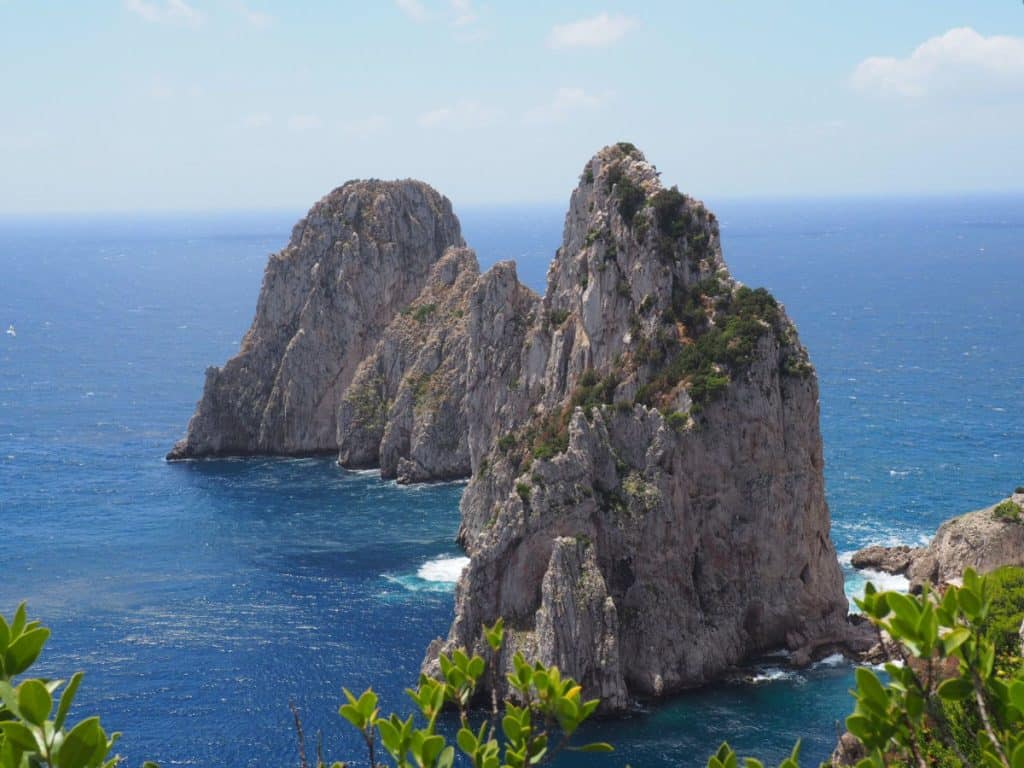
Why skip Capri:
Capri has long been synonymous with glamour, but that fame comes at a price — literally. Day-trippers flood the town from morning to late afternoon making it hard to even walk. Hotel prices have gotten ridiculous (expect to pay over $1500 a night) and you better make every restaurant reservation in advance! While it’s still gorgeous, it can feel more like a luxury theme park than an authentic island escape. It is a bit better in September and October, but this is a destination where the peak season is rapidly bleeding into the shoulder season.
Why go to Ischia:
Just across the bay from Naples, Ischia offers sandy beaches, thermal springs, and lush gardens without the crowds or price tag. It’s larger and more local than Capri, with distinct towns to explore — from Lacco Ameno to picturesque Sant’Angelo. You can still enjoy chic boutique hotels and seafood dinners by the water, but you’ll actually hear Italian spoken by the people at the next table.
Travel tip: Ischia is easy to reach by ferry from Naples. Plan for at least two nights to unwind and enjoy the thermal spas the island is famous for.
Cilento Coast instead of the Amalfi Coast
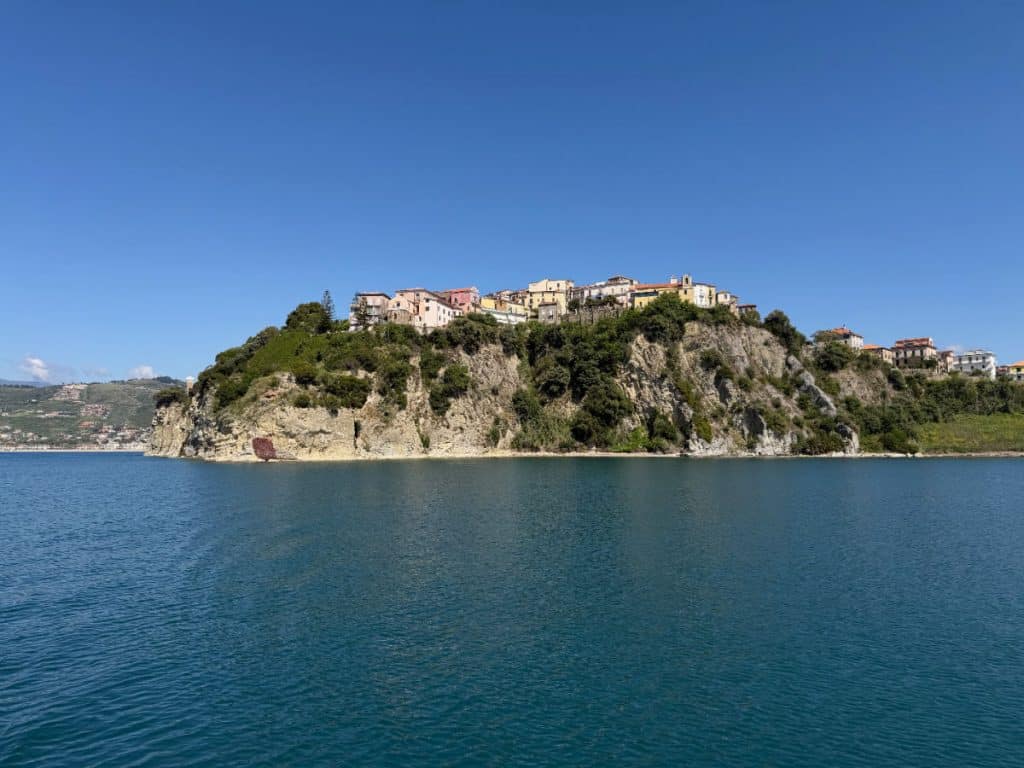
Why skip the Amalfi Coast:
The Amalfi Coast is one of Italy’s most iconic stretches of coastline and everyone knows it. Winding coastal roads gridlocked with tour buses, towns like Positano that are more Instagram backdrop than lived-in village, and hotel prices that routinely start at $1,500+ a night in peak season. The beaches are mostly pebbled, and the experience of lounging by the sea can feel hard-won when you’ve spent an hour stuck in traffic to get there. The scenery is dramatic and undeniably beautiful, but the experience often falls short of the fantasy.
Why go to the Cilento Coast:
Stretch the map a little further south of Salerno and you’ll find the Cilento Coast — a long, largely undiscovered stretch of coastline backed by the lush Cilento National Park, where real Italy quietly carries on. The scenery here is gentler and greener rather than dramatic and vertiginous, the pace is slower, and the coastline delivers something the Amalfi Coast rarely can: actual sandy beaches perfect for swimming. This is a coast that rewards those who value experience over optics.
The region holds a distinction that few places on earth can claim — it is considered the birthplace of the Mediterranean diet, and the food reflects that legacy at every table. Buffalo mozzarella is produced here in the flatlands around Paestum, along with buffalo yogurt and buffalo milk gelato that you simply won’t find anywhere else. Add in some of the best-preserved Greek ruins in the world at Paestum, serious hiking and nature in Cilento National Park, and a handful of genuinely lovely hotels — including the elegant Savoy Hotel — and you have a destination that more than holds its own.
It is worth being honest: Cilento is not Amalfi. The glamour is quieter, the scenery less cinematic, and the international dining scene more limited. But for travelers who want to swim in the sea without fighting for space, eat well at a fraction of the price, and feel like they’ve discovered something real — Cilento delivers in ways Amalfi simply can’t anymore.
And practically speaking, it couldn’t be easier to reach: just over two hours by train from Rome, making it an ideal wind-down after a few days of sightseeing in the capital.
Travel tip: Cilento pairs beautifully with a short stay on the Amalfi Coast — spend a few days in Positano for the drama, then head south to Cilento to actually relax. Or skip Amalfi entirely and put that budget toward a longer, more immersive stay. Either way, give yourself at least three nights — this is a place that asks you to slow down, and you’ll want to listen.
So why didn’t I give a a travel dupe for Rome? Because love it or hate it, there is no substitute for Rome. To avoid the heaviest crowds, try to visit in the spring (except around Easter), fall, or winter. Want a travel dupe for Puglia? I’m still working on that one.
Want help deciding where to go in Italy? I’d love to help you plan a trip that gives you the experience that you are dreaming about.

Tamara Gruber is an award-winning travel writer and the founder of Your Time to Fly. With more than a decade of professional writing experience across two travel publications and hundreds of destination guides, she specializes in crafting practical, detailed itineraries that help travelers explore the world with confidence. Her work reflects years of on-the-ground research across the globe. Tamara is a member of SATW and serves on the Board of Directors of the Family Travel Association.
