With all the talk of affordability, regional wars, global warming, and travel warnings, people are wondering what to expect from travel in 2027. I’ve spent 13 years in the travel industry, and every day I talk with clients about where they want to go and what worries them. These predictions come from those conversations with clients and suppliers, along with research and current industry data.
Here is what I’m seeing. Some travelers are pulling back in 2027, but more are becoming more strategic. They’re choosing cooler destinations, dodging crowds with lesser-known alternatives, using cruises and all-inclusives to keep budgets predictable, and building trips around wellness and memorable meals instead of excess. More women are also traveling on their own terms, with girlfriends, in small groups, and without their spouses.
2027 Travel Predictions at a Glance
I’ll add more context below, but at a high level, here are my 2027 travel predictions:
- People are looking to avoid hot spots and this year’s record-setting heat by seeking out “cool cations”
- Everyone still wants to visit Europe, but they are catching on that late spring and fall are the ideal times to visit
- The number of people traveling continues to grow and smart travelers are looking to avoid spots that are overtouristed
- Off-season travel and all-inclusive vacations (including cruises) are ways to combat rising prices
- Slow travel is growing
- Group travel, especially for women, is the trend that keeps on going
- Wellness is the focus, especially with the growing segment of sober travelers and those on GLP-1s
- One of my favorite trends…something I call Trojan Horse Travel (a trip with a built-in reason such as visiting a student, going to a wedding, attending a concert or conference, etc that turns into a vacation.)
Why are Coolcations Taking Off?

A coolcation is a trip to a cooler destination during the months when traditional beach destinations feel brutal. Think Scandinavia, Iceland, Scotland, Wales, England, Ireland, the Alps, Alaska, the Canadian Rockies, and Patagonia. With 2026 registering as the hottest summer on record in Western Europe, people are ready for a change.
The numbers back this up. Trip.com reports coolcation searches up 74% year over year in the first half of 2026. Intrepid recorded 22% more Iceland bookings and 30% more Norway bookings for summer 2026. The European Travel Commission also recorded a 10% year-over-year rise in Northern Europe visitors from April to June.
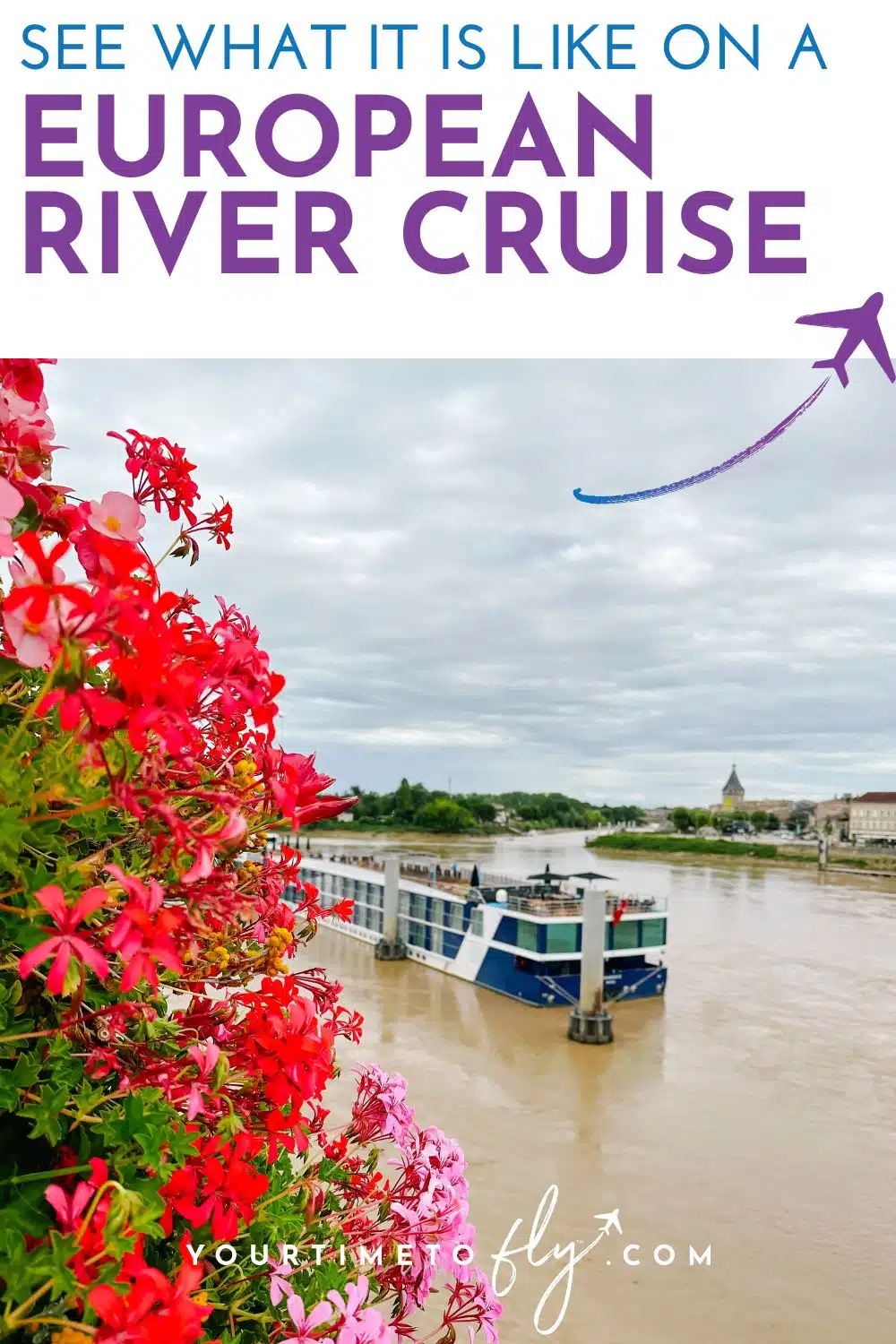
Coolcations are adding options, but not replacing the Mediterranean. Everyone still dreams about Santorini and the Amalfi Coast — they just want to go when it isn’t as hot. As for me? I’m still going to attempt a river cruise through Burgundy and Provence next July, but I’m going to cool off in Lake Geneva and then the Swiss Alps afterward.
Is Summer Losing its Grip on Europe?

In some ways, yes. Heat waves, crowds, and high prices are pushing more travelers toward May, June, September, and October. Intrepid reports a 17% rise in Italy bookings during shoulder seasons. Survey data shows about 15% of Europeans seek milder climates, and 14% avoid destinations prone to extreme heat.
What I tell clients: late spring and early fall now deliver the weather people used to expect in July, with slightly smaller crowds and better availability at the hotels and experiences that book up first. If you’re tied to school schedules, consider Northern Europe or higher-altitude destinations in July and August. At the very least, make sure you have accommodations with good air conditioning and build your itinerary around the heat.
I found it amusing but also sad that in a recent supplier presentation from a hotelier in Rome, they were talking about how the hotel’s AC system had four cooling canisters and not just two like a standard system. But they made this investment so that they can deliver the cooling Americans require.
What are Travel Dupes, and Can They Help with Overtourism?

A travel dupe is a lesser-known destination that delivers the feel of a famous one with fewer crowds and often a lower price. Think Puglia or Sicily instead of the Amalfi Coast. I wrote a whole post about travel dupes in Italy and I’m happy to brainstorm ideas with you on travel dupes in other regions as well.
Interest in getting “off-the-beaten-path” is high. An Intrepid and Wakefield survey of 2,000 US travelers found 92% would consider changing their travel behavior to reduce overtourism, and 80% want destinations they don’t regularly see on social media. (Although I am a bit skeptical of this because even my Gen X clients tell me about places that they have seen on Instagram or TikTok.)
There’s a detail from the luxury market I find telling. In a Virtuoso survey, 32% of luxury travelers said they’d try alternative, less explored destinations, but only 26% would visit popular places off-peak, down from 47% in 2024. In my experience, high-end travelers will change where they go before they’ll change when they go.
This is where a travel advisor earns their fee. Knowing which dupe delivers and which is just a trend-chasing label takes firsthand knowledge.
Does Off-Season Travel Really Save Money?

It can. The classic example is Australia and New Zealand during our summer, which is their winter. Flights and hotels can cost less and crowds are smaller. I had a client spend three weeks in Australia in July and August and prices were significantly lower than my client that visited last winter.
The same logic applies to parts of South America and the Caribbean outside peak season. The key is matching the destination to the season. A winter trip to Australia is great for cities, food, wine, and wildlife, but not for a beach week.
When it comes to Europe, November through March is going to be the best pricing, except for the couple of weeks before Christmas through after New Years. I’ve visited Portugal in December and it may not have been beach weather, but it was lovely. Plus, early December is a great time to visit Christmas Markets.
Why are Cruises and All-Inclusives Growing as Budgeting Tools?

People are turning to cruises and all-inclusive resorts or vacations because they make costs predictable. Bundled pricing makes budgeting easier to plan.
Cruising is the clearest example. CLIA reports a record 37.2 million cruise passengers worldwide in 2025. Its forecast projects 40.3 million in 2027, up 5% from 2026. AAA expects 22.4 million Americans to cruise in 2027, up 3.6%, which would be a fifth straight record year. Nearly 90% of 2025 cruisers say they intend to cruise again. About one-third of cruisers are under 40, and about one-third of cruise trips are multigenerational.
I’m seeing this in my own business as well. Yes, I’ve built a bit of a specialty around river cruising, but even still, I’ve been surprised by the number of river and ocean cruises (especially small ship cruises) I already have booked for 2027 and 2028. And yes, cruises actually do sell out early so booking a year or more in advance is not as crazy as it seems.
All-inclusives are evolving too. Booking.com’s 2027 research found 73% of travelers want packages that let them remove services they won’t use. The appeal is cost certainty, but travelers want flexibility to match. Even if I’m not selling all-inclusives, my clients truly appreciate the free breakfast and hotel credit amenities that I can provide for many luxury hotels around the world through my Virtuoso affiliation and Preferred Partnerships. After all, breakfast can be $30 – $50 per person in many nice hotels.
What is Slow Travel, and Why is it Growing in 2027?

Slow travel means spending more time in fewer places so you settle into a destination instead of checking it off. In 2027, I expect high airfares to push more travelers this way, because every flight between stops adds cost, stress, and lost time. Country hopping throughout a week or two-week long trip is hopefully a thing of the past.
Fares are the hook. US airfares were up 23.4% in August from a year earlier, following months of elevated jet fuel prices tied to the war in Iran. Jet fuel hit a record in October, and Thanksgiving fares are up about 30%. Reporting also says airlines plan to hold onto higher prices even if fuel costs drop.
Traveler preferences point the same way. A Global Rescue survey found 70% prefer fewer, longer trips over frequent short ones. The European Travel Commission also found slow travel practices among international visitors to Europe rose from 22% in 2025 to 26% in 2026.
Longer stays have many benefits, cost being just one of them, as some hotels will offer discounts on longer stays. But more than that, travelers can take time to really dig into a destination and immerse themselves in the local culture as well.
What I tell clients: pick one home base and take day trips, stay in one region instead of crossing a country, and use rail instead of short flights.
Why are more Women Traveling with Girlfriends, in Groups, Solo, and Without Their Spouses?

Women make most of the travel decisions, and more of them have stopped waiting for a spouse or friend’s calendar or interests to line up with theirs. Virtuoso reports that women make up 71% of its solo clients. Skift found women make 82% of all travel decisions and projects they’ll control 75% of discretionary spending by 2028.
Women over 50 are a big part of this. JourneyWoman’s August 2025 survey of more than 660 women over 50 found 60% prefer solo travel, either independently or in a group, and 67% had booked international travel. Skift data shows women 65 and older are the age group most likely to travel solo, at 25%, followed by women 55 to 65 at 24%.
“Solo” often doesn’t mean alone. Google reported record search interest in both “women solo travel” and “tour groups” in 2026. In a Girls’ Guide to the World survey of women over 60, 48% had already taken a women-only group trip, and nearly 40% cited a lack of travel partners as a barrier.
What I tell these clients: look for small groups, no or low single supplements, and itineraries vetted for safety and pacing. I have a handful of trusted suppliers that offer women-only trips or trips just for solo travelers. In fact, I have a client right now sailing on a Riviera Travel river cruise that is dedicated just for solo travelers. And, next spring, one of my solo traveler clients is sailing on an AmaWaterways river cruise that greatly reduced the solo supplement.
If you are a solo traveler or looking to join a women-only group trip, let me know and I’ll help you find the correct one.
Why is Wellness Taking Center Stage?

There are a number of international trends that are impacting travel and placing the focus on wellness rather than consumption. Sober tourism is travel that doesn’t center on alcohol. Expect alcohol-free tasting menus, craft mocktail programs, spa and thermal experiences, and wellness retreats built around rest.
The data skews young but shows real momentum. A UserTesting survey found more than half of Gen Z travelers have become more interested in alcohol-free travel, and nearly two-thirds say saving money is the main reason. 74% of Gen Z travelers said they’re interested in hotels with alcohol-free options.
I think this will keep spreading beyond Gen Z, partly because it overlaps with the next trend. FTI Consulting found 31% to 36% of its surveyed cohorts drank less after starting a GLP-1 medication. I’m steering these clients toward hotels and ships with strong non-alcoholic and wellness programs.
GLP-1 medications are also changing what travelers want from food. Gallup estimates 11% of US adults now take a GLP-1 for weight loss, up from 3% in 2024.
Travel brands are noticing. In Priceline’s 2027 report, 85% of GLP-1 users say the medication changes how they travel. Think in-room medication refrigeration and protein-forward menus. The dining data points toward quality over quantity. Instead of all-you-can-eat buffets, hotels are offering tasting menus or cooking classes that are about the experience, not overconsumption.
What is Trojan Horse travel, and why will it grow in 2027?
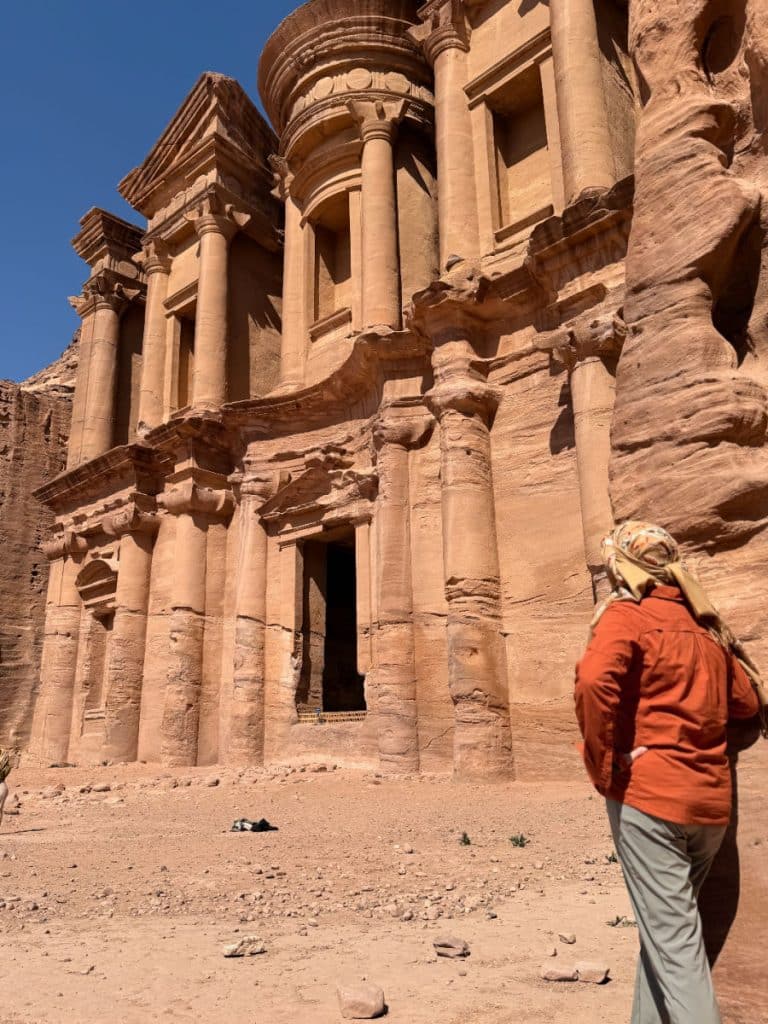
Trojan Horse travel is a trip that starts with one reason, like a wedding, a conference, a concert, a tournament, or a visit to your student abroad, and turns into a vacation. The event sets the destination and the dates, and the days around it become the trip you really wanted.
One thing that I have noticed over the years is that inertia holds back a lot of people from traveling. They need an excuse, a reason, a destination to finally get out of the door. With concerns over rising costs across the board, the guilt over spending on a vacation can be even worse. This is why I think we are going to see more Trojan Horse or “excuse” travel.
The hardest parts of travel are already settled: you have a reason to go, a date, and a flight you were buying anyway. With airfares still high, adding a few days costs far less than taking a second trip.
The data backs this up. American Express Travel’s 2026 report found two-thirds of global respondents planned to travel this year to celebrate a milestone for someone else. Of those taking a milestone trip, 82% planned to add extra days, and 72% of them planned to add at least three to four days.
Weddings
The Knot’s 2025 study found 18% of couples who married in 2024 called theirs a destination wedding. Fora reported in 2026 that 54% of its advisors saw more destination wedding inquiries. For guests, the wedding is the anchor and the rest is up to you. Fly in early, stay after, or add a nearby stop. Some hotels will even extend the room block rate beyond the celebration, so ask.
Conferences and work events
In an Atlantis Paradise Island survey of 2,000+ meeting attendees and planners, 67% were likely to extend a business trip or bring family, and 65% of those planning an extension would bring adult companions. The conference pays for the flight, and a spouse or friend joins for the last few days. I’m constantly using the excuse of a work conference to add on days and visit nearby destinations.
Concerts
Live Nation’s 2026 study of 3,300 people in 13 countries found nearly 70% of fans plan trips around tour dates. 87% of live music travelers stay more than one night, and nearly three in four explore nearby towns or cities. The concert gets people there, and the surrounding region keeps them. I’m going to be one of these next year! I couldn’t score tickets to see Noah Kahan at Fenway, so I bought tickets to see him in Detroit. I’ll use it as an excuse to visit my daughter and spend a few days in Michigan.
Sports tournaments and games
Expedia Group found 44% of sports fans travel internationally for events, and three in five stay outside the host city. A 2026 eDreams survey found Americans tend to turn games into mini-vacations with short destination extensions, and 53% see a bucket-list sporting event as worth the cost of a full summer vacation. For families, Sports ETA estimates travel to amateur and collegiate sports events generated $52.2 billion in direct spending in 2023, with 200 million+ travelers. A weekend tournament can easily become a few extra days.
WIth the growing popularity of F1, the upcoming Olympics in Los Angeles, this past summer’s World Cup fun, and the NFL series abroad, there are more and more excuses to turn a love of sport into a reason to travel.
Visiting a student abroad
This is my favorite version. In Terra Dotta’s 2026 survey, 73% of students planned to study abroad, though that sample is only 275. Every student abroad gives a parent a built-in reason to go. Plan around their schedule, then add a few days nearby. I’ve booked multiple trips this year for parents visiting their college students who are studying abroad and it is one of my favorite types of trips to plan.
How to plan a Trojan Horse trip
- Protect the main event first. Arrive a day or two early and avoid tight connections.
- Match the extension to the purpose. 51% of those extending wanted more time with family and friends, and 45% wanted to explore.
- Keep bookings flexible until the event is confirmed, and ask about trip protection that covers the whole trip, not only the event days.
- Use a slow-travel base. One home base with day trips beats hopping between cities.
What should you do now to plan for 2027?
- Book early for peak windows and popular cruises. The best cabins and rooms go first.
- Stay flexible on dates if you can. A few weeks can change both price and experience.
- Think about the experience you want, not just the destination, and consider a dupe if your first choice is overrun.
- Work with an advisor who knows destinations firsthand and can spot what trend lists miss.
Do you need help planning your trip? If you are feeling overwhelmed and don’t have the time or resources to wade through tons of information and question your decisions, I help clients plan a custom itinerary, tailored to your interests and travel style. Learn more about my Travel Advisor and trip planning services.

Tamara Gruber is an award-winning travel writer and the founder of Your Time to Fly. With more than a decade of professional writing experience across two travel publications and hundreds of destination guides, she specializes in crafting practical, detailed itineraries that help travelers explore the world with confidence. Her work reflects years of on-the-ground research across the globe. Tamara is a member of SATW and serves on the Board of Directors of the Family Travel Association.